How to Fix Rounded Shoulders and a Hunched Back (Upper Crossed Syndrome)
In today’s technology-driven era, many people spend long hours working at a desk in front of a computer or looking down at their smartphones. These daily habits directly affect posture, often leading to rounded shoulders, a hunched upper back, and forward head posture — a condition known as Upper Crossed Syndrome (UCS).
Upper Crossed Syndrome is caused by muscular imbalance. Certain muscles become excessively tight (tightness), such as the chest muscles (Pectoralis major/minor) and the upper neck muscles (Upper Trapezius and Levator Scapulae). Meanwhile, other muscles become weak or underactive, including the Deep Neck Flexors and the scapular stabilizers (Lower Trapezius and Serratus Anterior).
This imbalance disrupts the body’s upper kinetic chain. Beyond affecting appearance and posture, it can lead to chronic neck, shoulder, and upper back pain. In more severe cases, it may contribute to cervical degeneration and cervicogenic headaches.
A systematic review and meta-analysis published in the journal BMC Musculoskeletal Disorders found that targeted exercise interventions can significantly improve Upper Crossed Syndrome. Effective rehabilitation programs typically include the following components:
and prepares the muscles for corrective work.
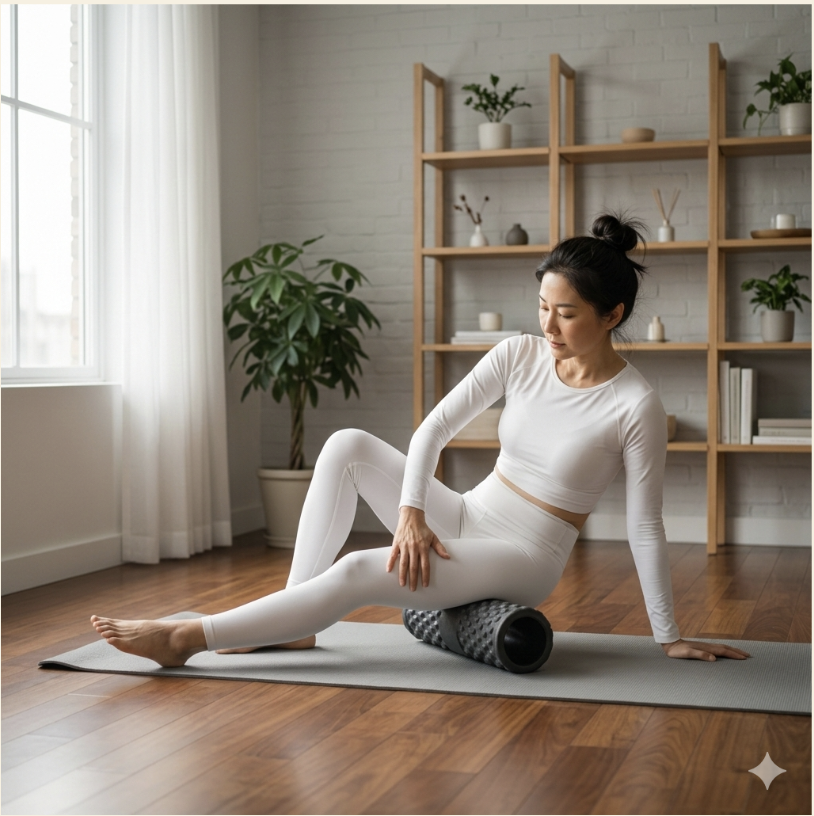
1. Inhibit Overactive Muscles
Reduce excessive muscle tension using techniques such as:
Foam rolling
Massage balls for trigger point release
Percussive massage devices (massage guns)
This helps decrease neuromuscular overactivity and prepares the muscles for corrective work.
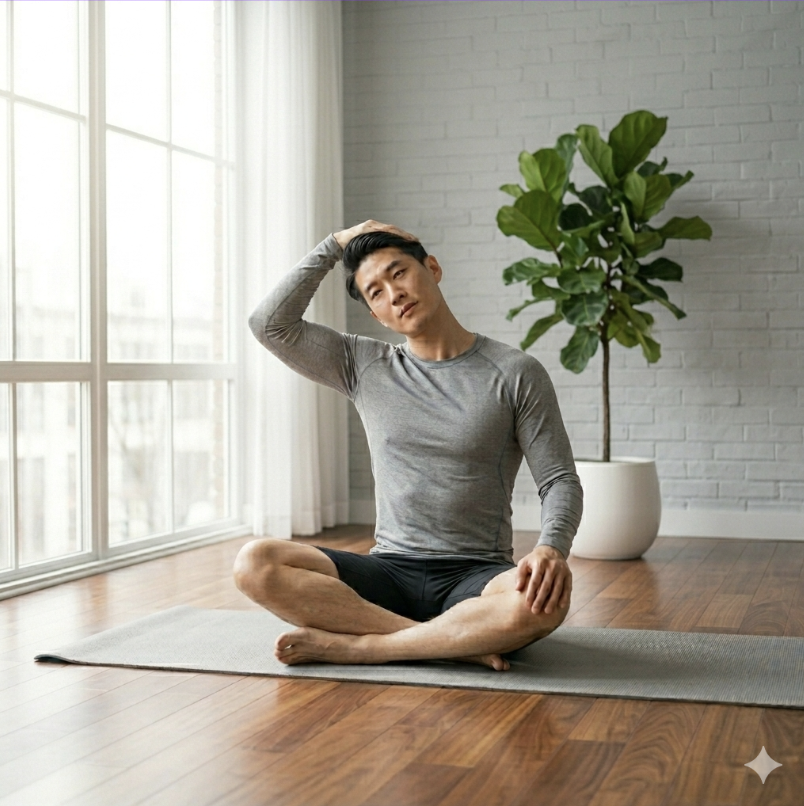
2. Lengthen Shortened Muscles (Stretching Exercises)
Tight muscles such as the Pectoralis major/minor and Levator Scapulae should be lengthened through structured stretching exercises.
Stretching improves flexibility, restores joint range of motion, and reduces abnormal pulling forces on the shoulders and cervical spine.
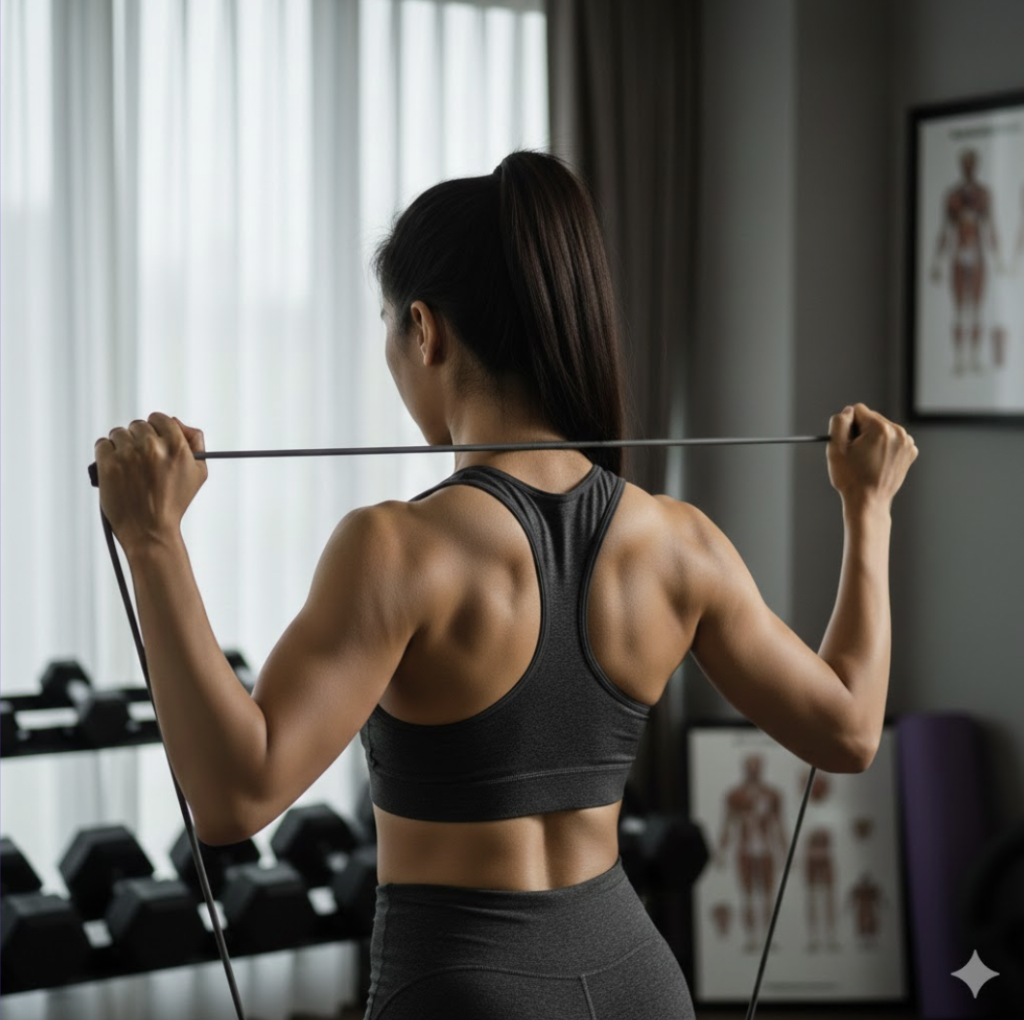
3. Activate Underactive Muscles (Isolated Strengthening Exercises)
Weak muscles must be strengthened through targeted activation exercises, including:
Deep Neck Flexor training
Scapular retraction exercises (Rhomboids, Middle/Lower Trapezius)
Isolated strengthening exercises improve muscle recruitment and help counteract the dominance of tight muscles.
4. Integration Exercises
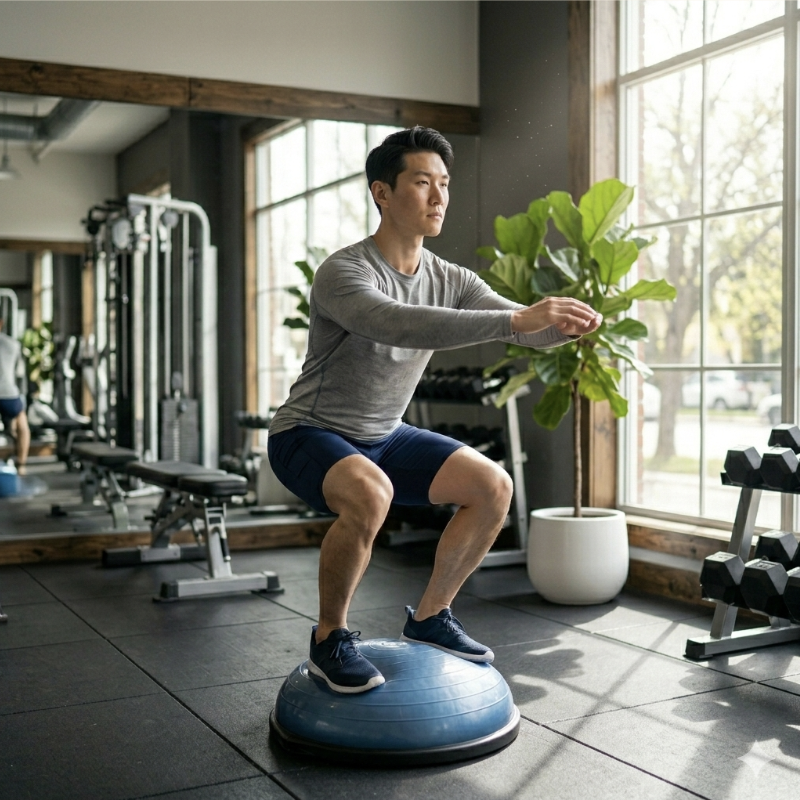
Once mobility and activation improve, exercises should progress to integrated and functional movements, such as:
Resistance training with eccentric control
Balance and proprioceptive training
Multi-plane movement patterns
These exercises enhance neuromuscular coordination, improve joint stability, and restore optimal movement control.
The Key: Restoring the Entire Upper Kinetic Chain
Treating Upper Crossed Syndrome is not just about temporary pain relief. It involves restoring balance to the entire upper-body kinetic chain. Research confirms that consistent stretching combined with targeted strengthening effectively addresses the root cause and reduces recurrence.
For individuals experiencing scapular instability, office syndrome, or injury-related discomfort, consultation with a licensed physical therapist is recommended. A personalized exercise plan ensures that rehabilitation aligns with each individual’s structure and movement patterns.
Our Comprehensive Care Programs
At FitZio Clinic, we offer a complete approach to correcting rounded shoulders and forward head posture:
Flow 1: Pain reduction through manual techniques and therapeutic modalities
Flow 2: Corrective exercise combined with manual therapy to improve joint mobility and muscle flexibility
Flow 3: Personalized long-term exercise programming tailored to your body for sustainable wellbeing
Our goal is to help you move better, stand taller, and restore confidence in your posture.
“Understand Your Health, Understand You – at FitZio Clinic”
📍 Location: Market Place Krungthep Kreetha, Bangkok
📞 Tel: 082-828-2851
📱 LINE: @fitzioclinic
📷 FB/IG: fitzio.clinic
Opening Hours:
Monday–Friday | 8:00 AM – 8:00 PM
Saturday–Sunday | 10:00 AM – 8:00 PM
Author: Benchanat Tantipantharak, PT
Other Articles

Tried Many Treatments But Still Not Getting Better?

Looking Down at Your Phone All Day? Neck, Shoulder, and Upper Back Pain Could Lead to a Hunched Posture!
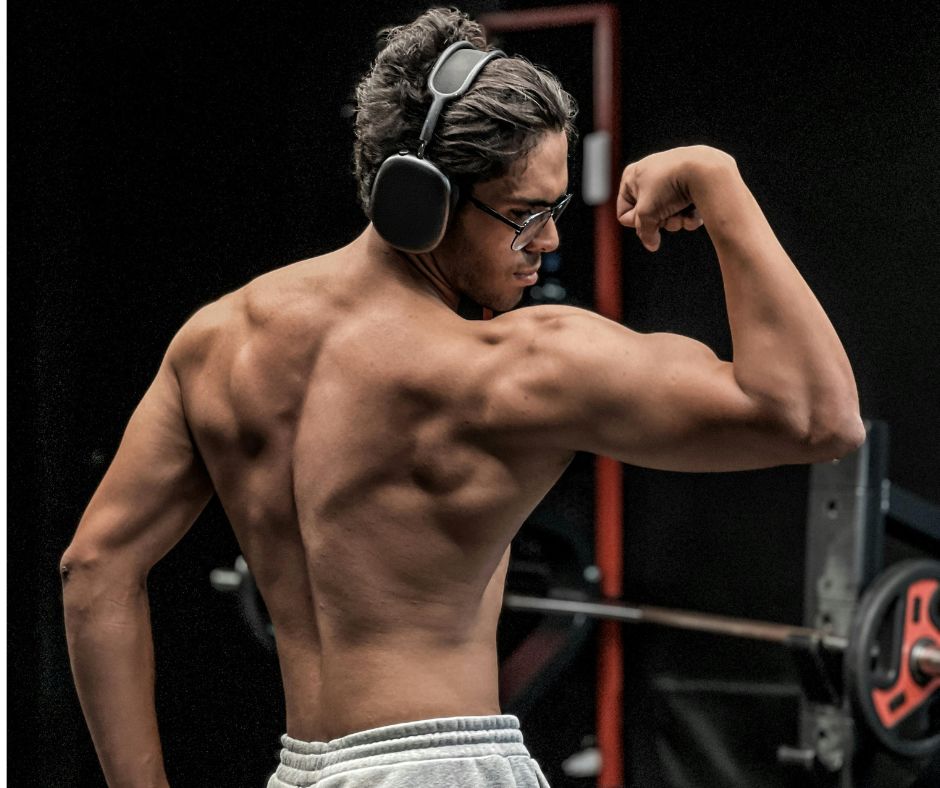
Strong Muscles… But Are Your Bones at Risk of Misalignment?
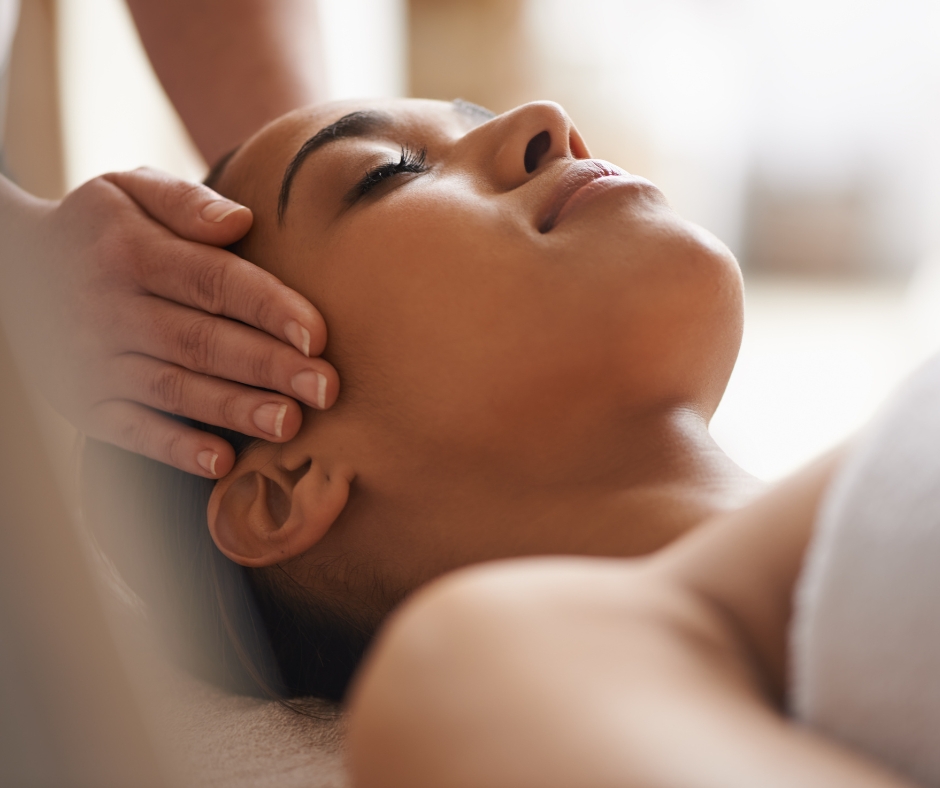
Body and Mind: An Inseparable Connection
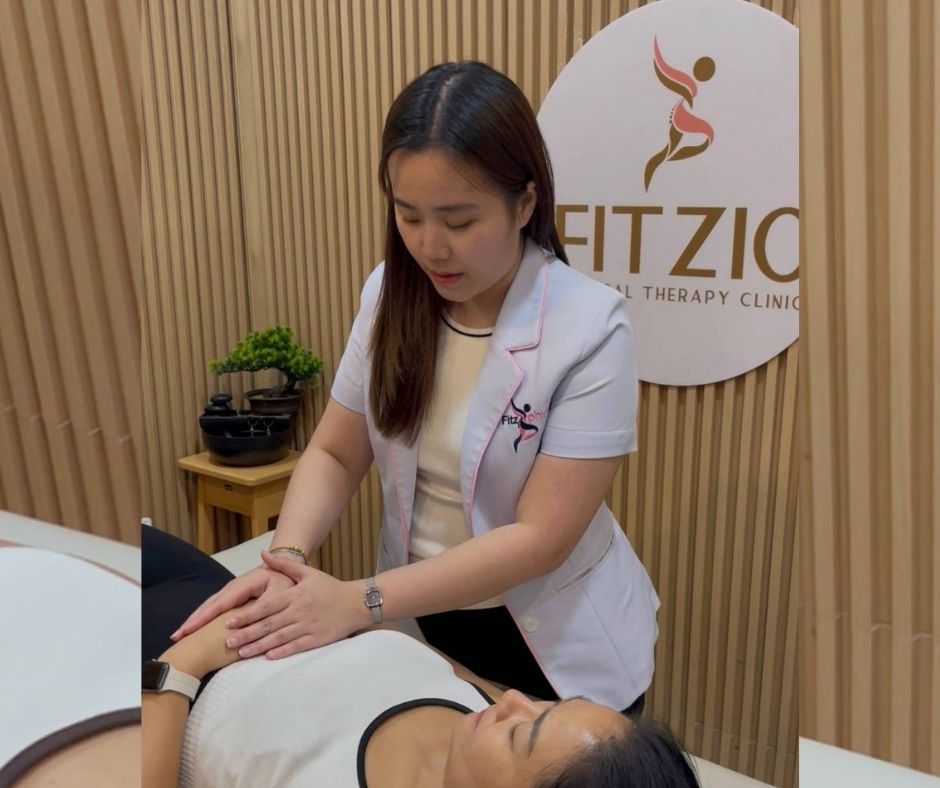
“Stress leads to pain, and pain leads to stress.”
Physical therapy is much closer to everyday life than you might think.