Our Service

Basic Rehab

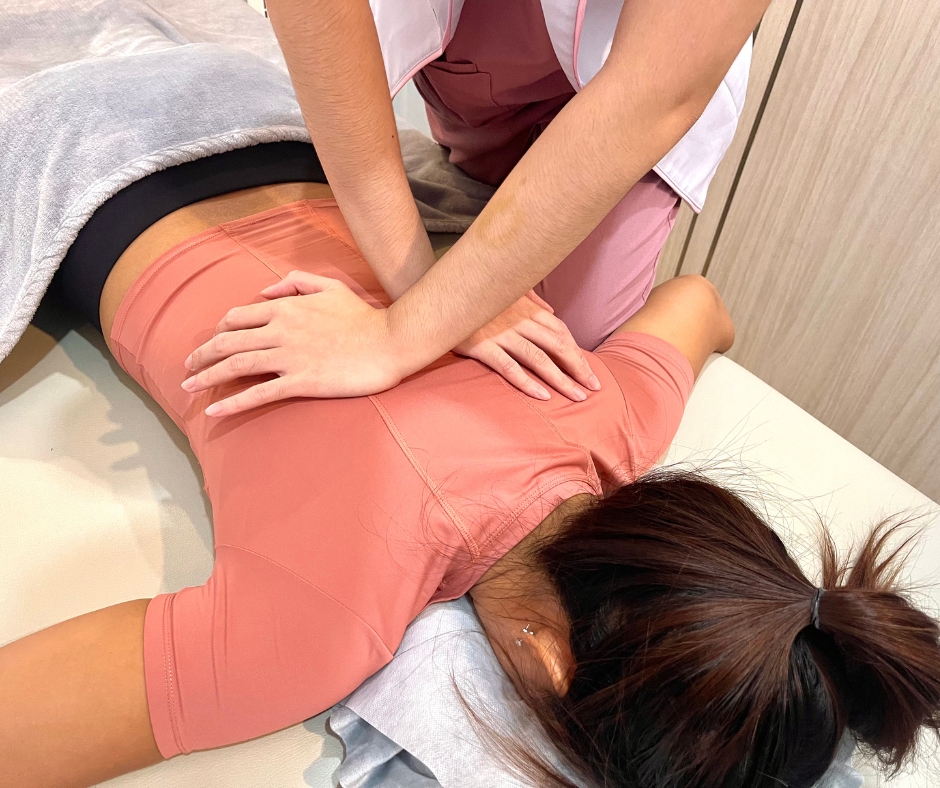
Common Pain from Overuse ( Office Syndrome, Plantar Fasciitis, Knee Pain)

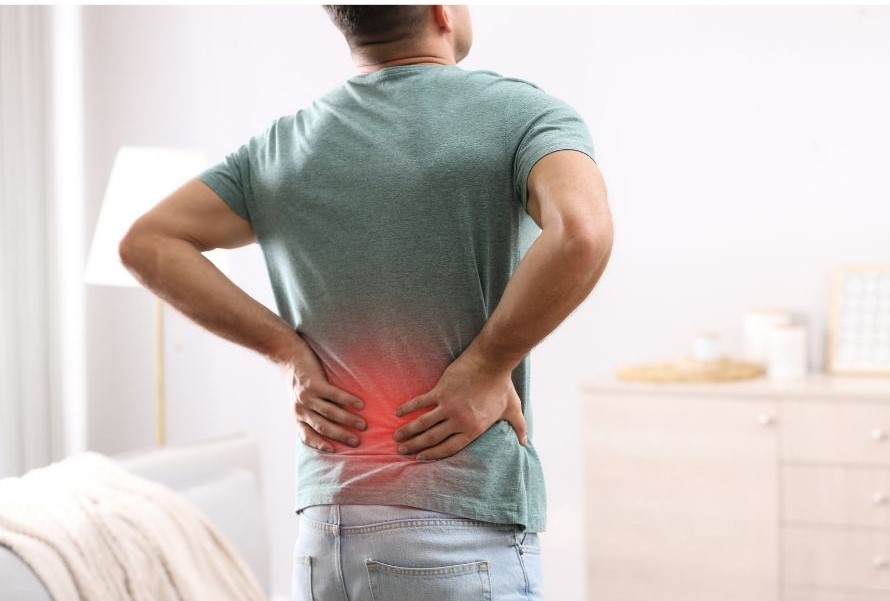
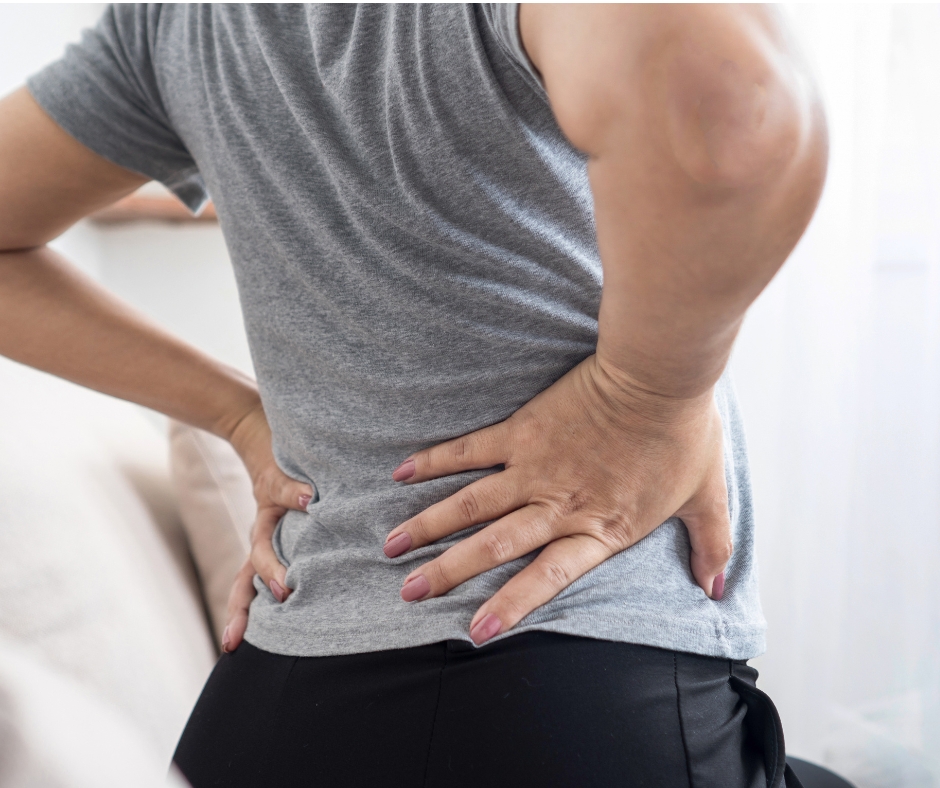
Low Back Pain

Causes:
Commonly caused by muscle tension from prolonged sitting, improper lifting techniques, degenerative disc disease, or inflammation of the spinal joints.

Effects:
Symptoms include lower back pain that may radiate to the hips or legs, along with difficulty bending forward or backward.

Care Program

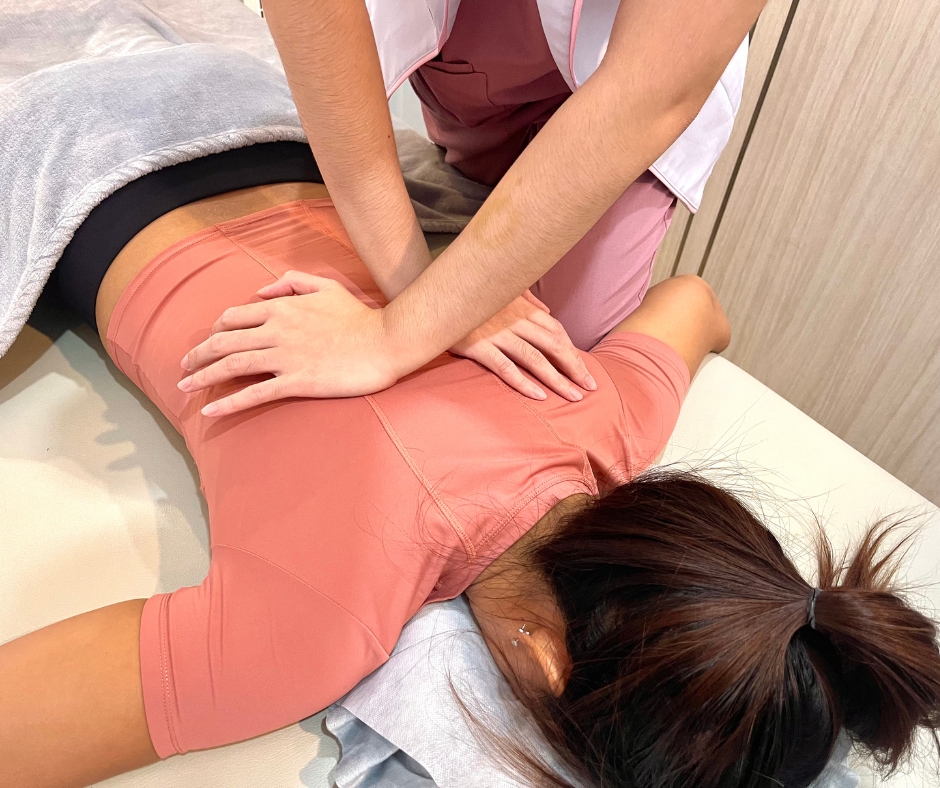
we provide comprehensive care for Low Back Pain, one of the most common and debilitating conditions. Our approach focuses on identifying the root cause, whether it’s muscle strain, poor posture, or a herniated disc. Through a combination of manual therapy, targeted exercises, and posture correction, we alleviate pain and restore mobility. We also teach patients strategies to strengthen their core and prevent future episodes. With our personalized care, we help you return to a pain-free and active life.

Causes:
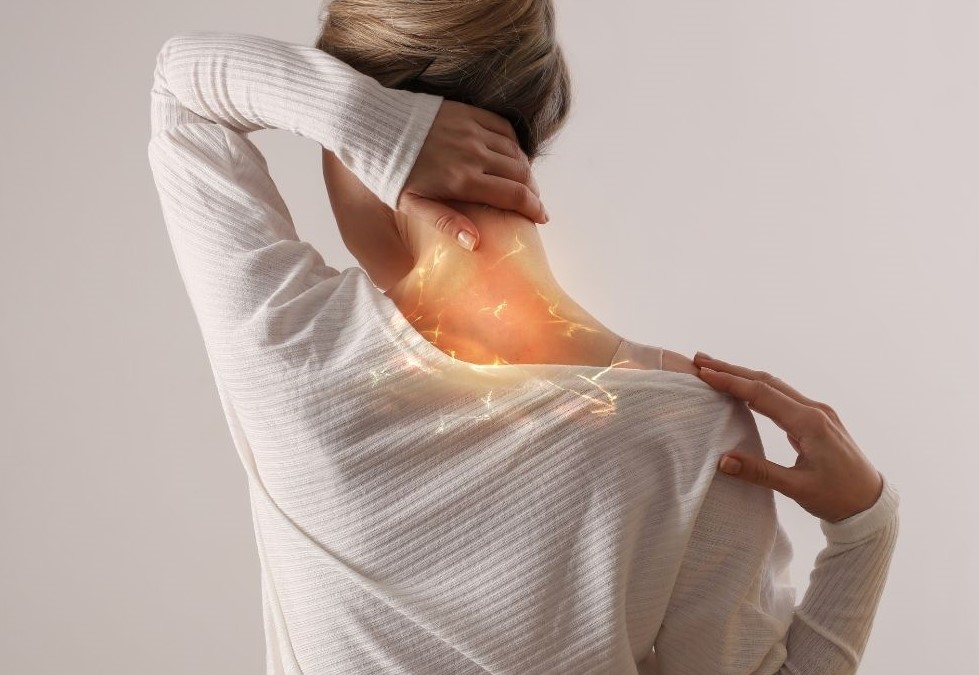
Poor posture, accumulated muscle tension, or injuries—such as prolonged neck flexion when using a mobile phone or computer. It may also result from weak neck muscles, degenerative cervical joints, or cervical disc herniation compressing nearby nerves.

Effects:
Neck pain and stiffness extending to the base of the skull. Some individuals may experience pain radiating down the arm, numbness, or accompanying headaches.

Care Program

We integrate hands-on treatment, targeted stretching, and strengthening exercises to help relieve pain and restore optimal movement. In addition, we emphasize posture correction and provide ergonomic and movement guidance to help prevent symptom recurrence.

By addressing the root cause effectively, patients can return to feeling comfortable, moving smoothly, and using their bodies with greater confidence in everyday life.

Causes:
Repetitive shoulder use, weakness of the muscles surrounding the shoulder, shoulder joint inflammation, or prolonged lack of movement leading to joint stiffness, known as Frozen Shoulder (adhesive capsulitis).

Effects:
Shoulder pain, limited ability to lift the arm fully, and difficulty reaching behind the back. In cases of frozen shoulder, the joint feels significantly stiff and restricted, making daily activities such as dressing or lifting objects challenging.

Care Program

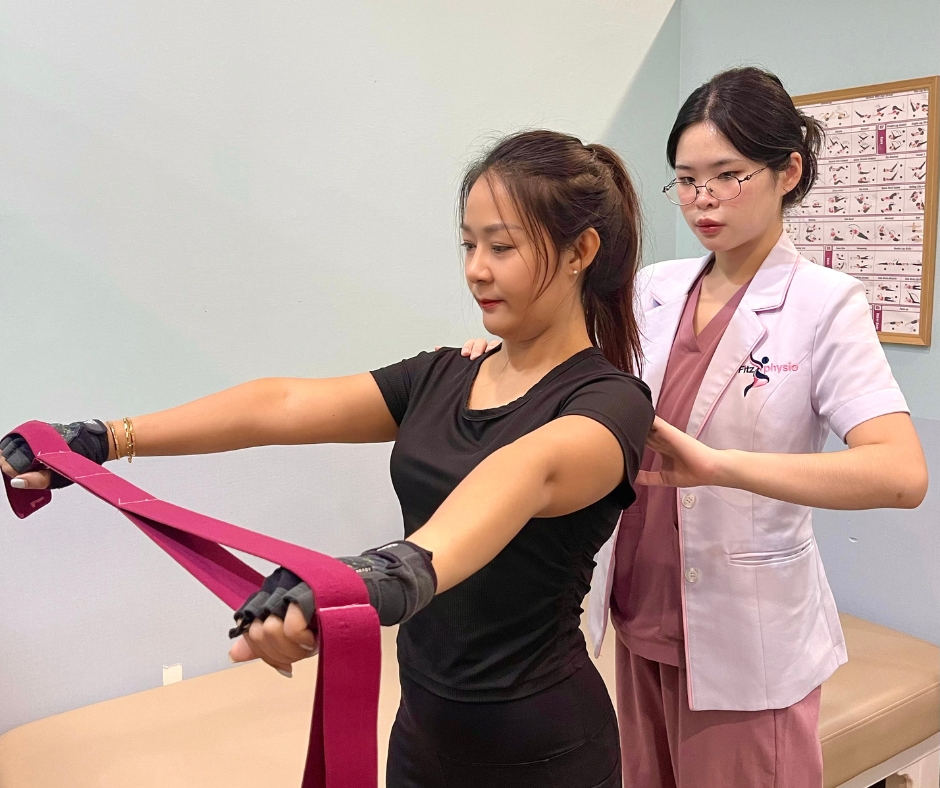
We utilize manual therapy, targeted stretching, and strengthening exercises to help reduce pain and restore shoulder mobility. For individuals with frozen shoulder, we apply a gradual and structured treatment approach focused on improving shoulder movement while effectively managing pain.

We also provide guidance on proper posture and train correct movement patterns for daily activities to support long-term recovery and reduce the risk of recurrence.

Our goal is to help you regain comfortable, flexible shoulder movement and feel confident in every motion once again.

Causes:
Repeated poor sitting posture, prolonged sitting, and muscle imbalance—where certain muscle groups (neck, shoulders, upper back) are overworked while others become weak.

Effects:
Pain in the neck, shoulders, shoulder blades, and upper back, along with hand numbness and tension-related headaches.

Care Program

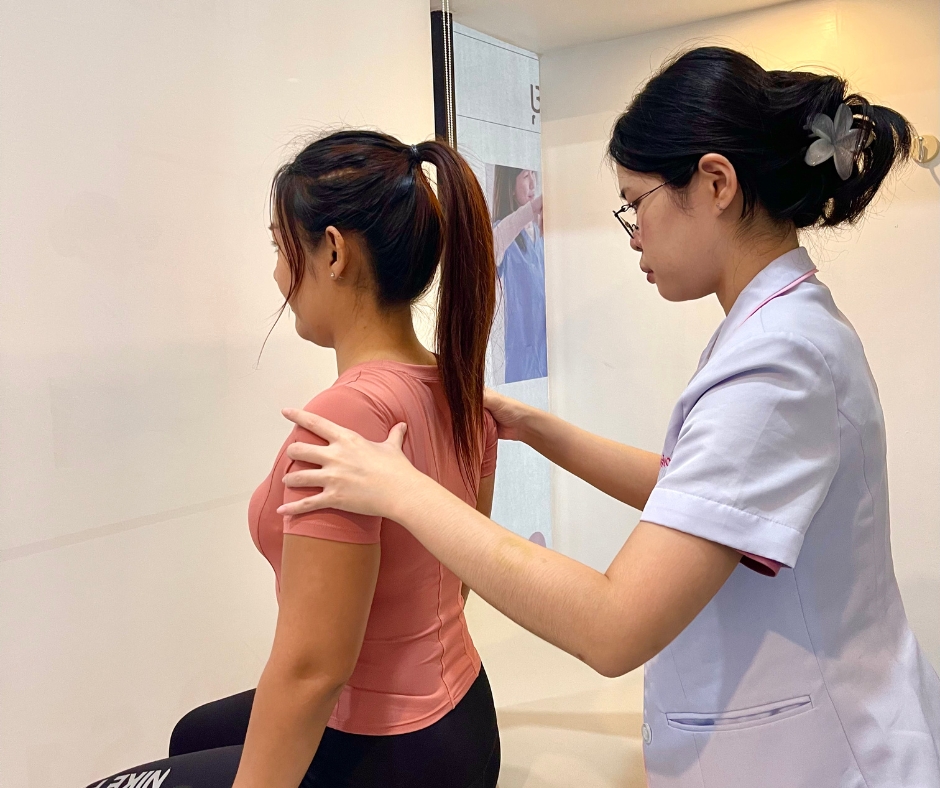
We address these issues through a systematic approach, starting with posture correction, hands-on manual therapy to release muscle tension, and targeted exercises to relieve pain and improve flexibility.

We also provide ergonomic workstation setup advice, proper sitting posture guidance, and simple stretching exercises that can be performed throughout the day to help maintain correct posture during work hours.

By addressing the true root cause of the problem, you can experience long-term relief, reduce accumulated pain, and improve overall quality of life. This program is ideal for individuals who work at a screen throughout the day.

Causes:
Overexertion, sudden or rapid movements, or engaging in physical activity when the body is not adequately prepared.

Effects:
Pain and swelling, tenderness to touch, limited range of motion, and a feeling of tightness or weakness in the injured area.

Care Program

The program includes manual therapy, targeted stretching, and strengthening exercises to support muscle recovery and restore normal function.

We also focus on addressing the root causes, such as muscle imbalances or improper movement patterns, to help prevent future injuries.

In addition, we provide education on proper warm-up routines, stretching techniques, and safe body mechanics, allowing you to return to daily activities and exercise more quickly and with confidence.

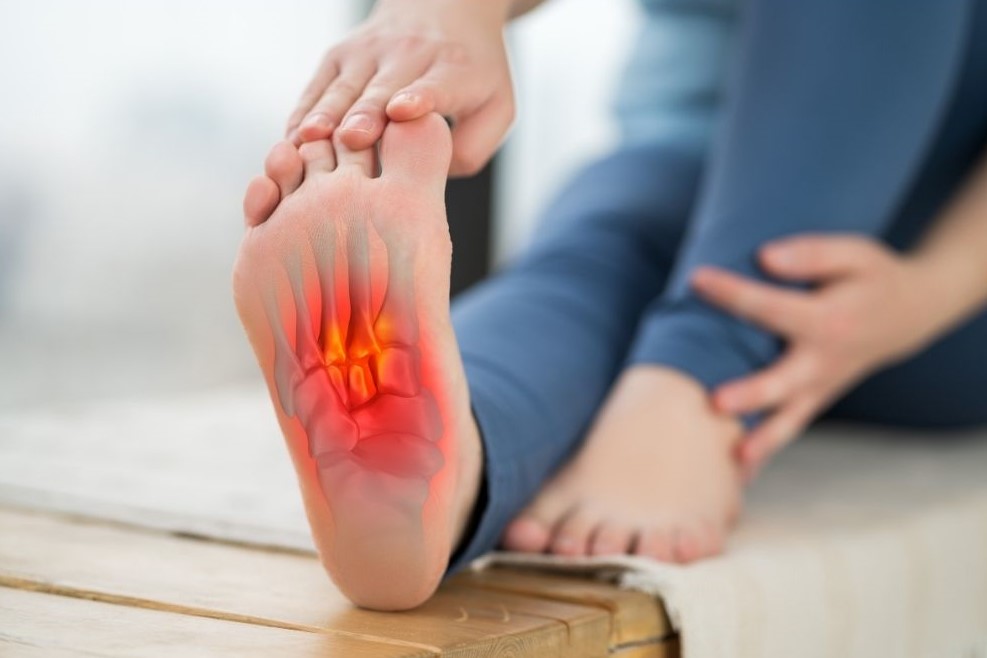
Causes:
Excessive foot use from prolonged walking or standing, excess body weight, weakness of the foot or leg muscles, and uneven weight distribution.

Effects:
Heel pain, especially during the first steps in the morning or after long periods of standing or walking.

Care Program

  • Manual therapy to release tight fascia

  • Calf and plantar fascia stretching exercises

  • Strengthening exercises to support the arch structure of the foot

We also provide guidance on appropriate footwear and strategies to reduce impact and pressure on the feet during daily activities.

This holistic approach helps relieve pain, restore proper foot function, and prevent recurrence—allowing you to return to daily life and movement with greater comfort.

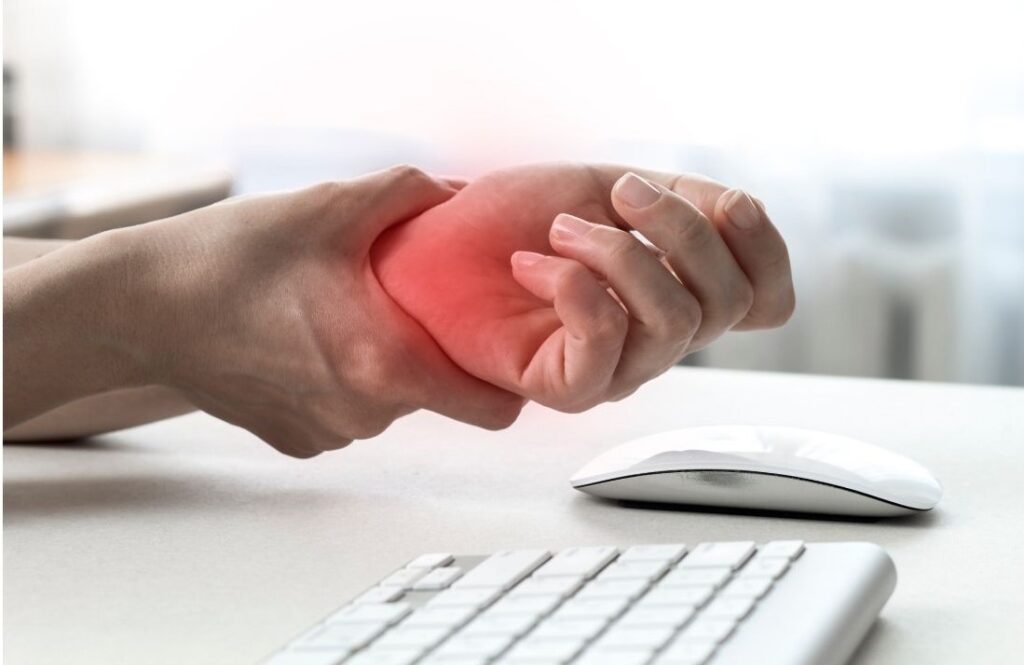
Causes:
Compression of the median nerve at the wrist, commonly from activities such as typing, using a mouse, or holding a mobile phone. Excessive wrist flexion or extension, as well as scar tissue within the carpal tunnel, can also contribute to nerve compression.

Effects:
Numbness and pain in the fingertips—especially the thumb, index, and middle fingers—along with decreased grip strength.

Care Program

  • Manual therapy to reduce compression and release tension in the wrist and forearm

  • Nerve gliding exercises to improve nerve mobility and reduce irritation

  • Stretching exercises to enhance flexibility of the wrist and forearm

  • Strengthening exercises to restore stable and efficient function of the wrist and hand

  • Postural and ergonomic recommendations, including appropriate equipment setup, to minimize pressure during work and daily activities

This holistic treatment approach helps improve wrist mobility, reduce pain and numbness, and sustainably prevent symptom recurrence.

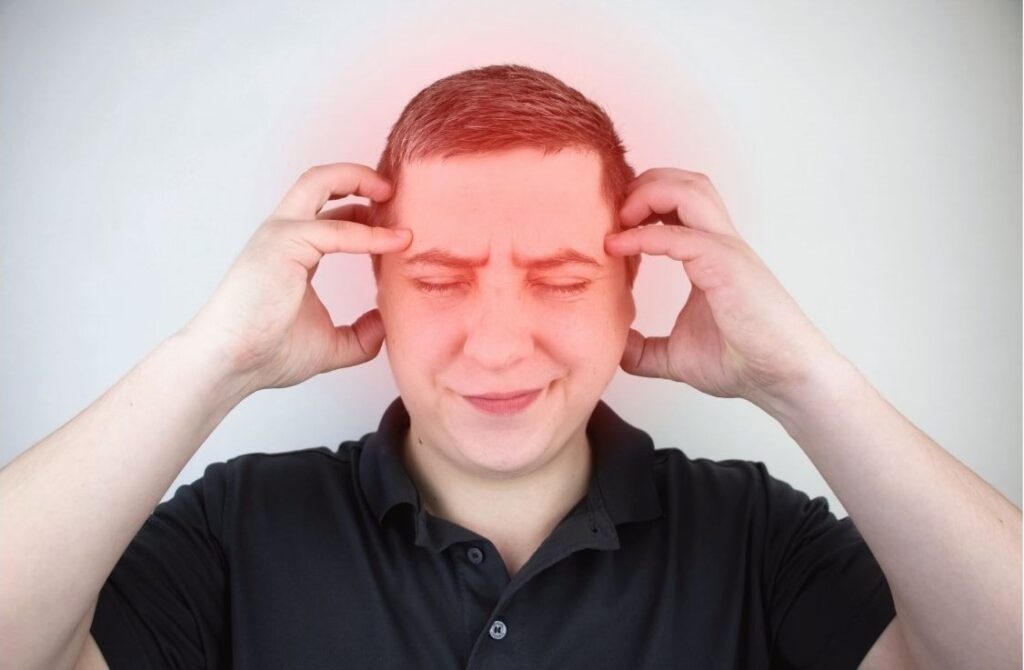
Causes:
Poor posture, stress, or muscle tension in the neck, shoulders, and upper back.

Effects:
Headaches radiating to the back of the head or temples, a heavy or tight head sensation, eye pain, and sometimes accompanying dizziness.

Care Program

  • Manual therapy to reduce tension and release the muscles contributing to pain

  • Trigger point release to relieve accumulated muscle knots

  • Relaxation techniques to calm the nervous system and alleviate pain

  • Targeted stretching exercises to improve flexibility of the neck, shoulders, and upper back

  • Posture correction to address the root cause and reduce long-term recurrence

As muscle tension decreases and structural alignment improves, headache symptoms are reduced, daily activities become more comfortable, and overall quality of life improves significantly.

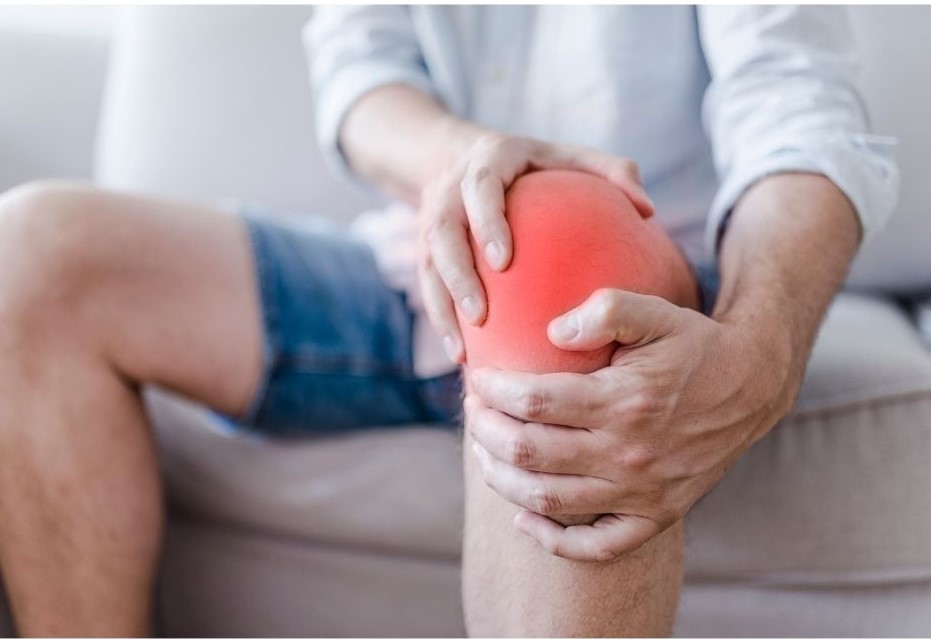
Causes:
Overuse of the knee joint, muscle imbalances around the knee, excess body weight, or injury to the knee cartilage/meniscus.

Effects:
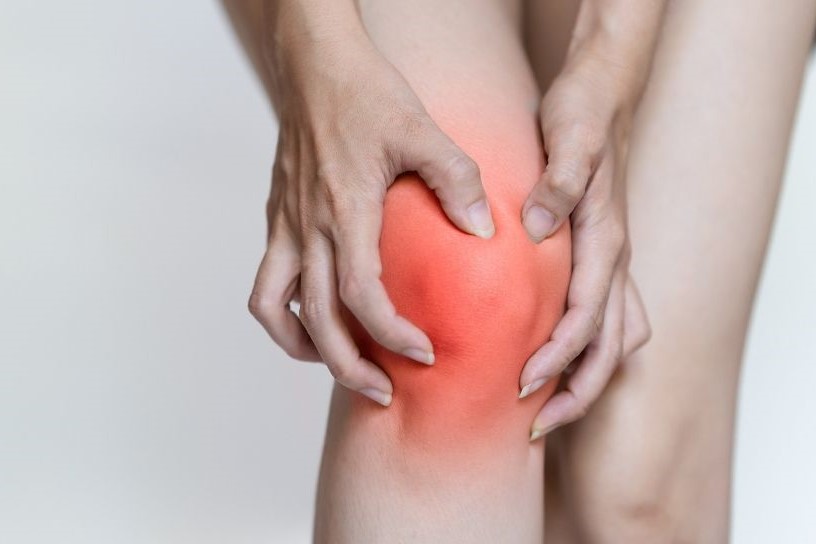
Knee injuries or degenerative changes that lead to difficulty with movement and interfere with daily activities. Symptoms may include pain at the front of the knee, pain on the inner or outer side of the knee, difficulty standing up, sitting down, or climbing stairs, as well as joint noises or swelling.

Care Program

  • Pain and inflammation management

  • Improving knee joint stability

  • Restoring strength of the muscles surrounding the knee through individualized exercise programs

  • Manual therapy to release tight areas and reduce joint stress

  • Correction of muscle imbalances and gait abnormalities that may increase stress on the knee joint

We also teach proper movement techniques to help prevent re-injury and support a confident return to active, functional daily living.

Specialized Rehab

Complex & Specialized Conditions ( Postural Imbalances)

Sciatica

Causes:
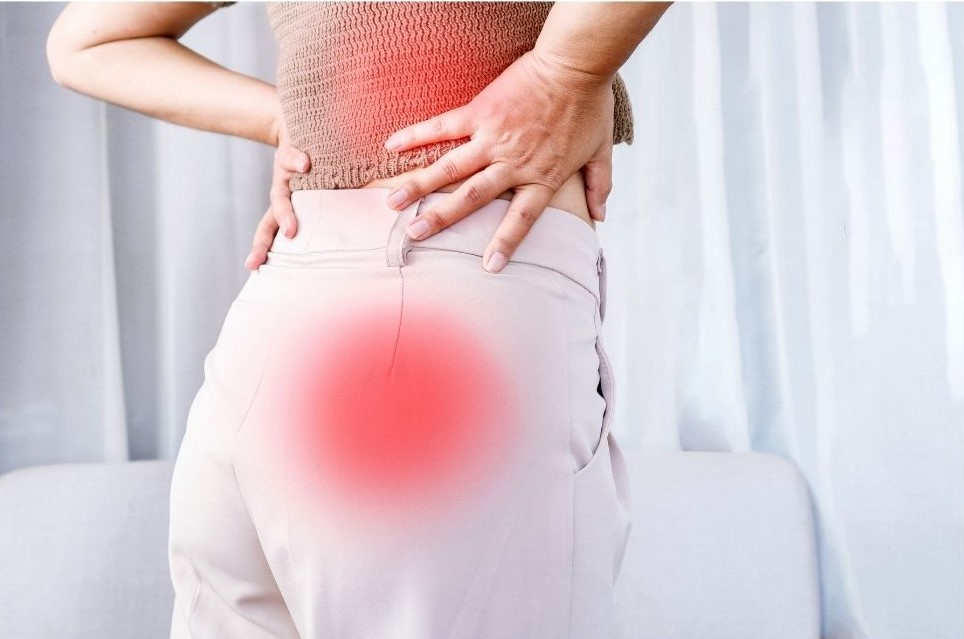
Irritation or compression of the sciatic nerve.

Effects:
Lower back pain radiating to the buttocks and down the leg, accompanied by numbness, tightness, or electric shock–like sensations. Some may experience sharp, needle-like pain traveling down the leg, often related to disc herniation or tightness in the muscles surrounding the hips and lower back.

Care Program

  • Manual therapy to reduce pressure and release tight tissues compressing the nerve

  • Neural stretching to improve nerve mobility and restore healthy nerve signal flow

  • Core strengthening exercises to support and stabilize the spine

  • Postural and movement correction during daily activities to help prevent recurrence

This holistic approach helps provide long-lasting pain relief, improve mobility, and support a confident return to everyday life.

Causes:
Degeneration of joint cartilage due to aging, heavy or repetitive joint use, excess body weight, immune-related inflammation, or conditions such as Rheumatoid Arthritis.

Effects:
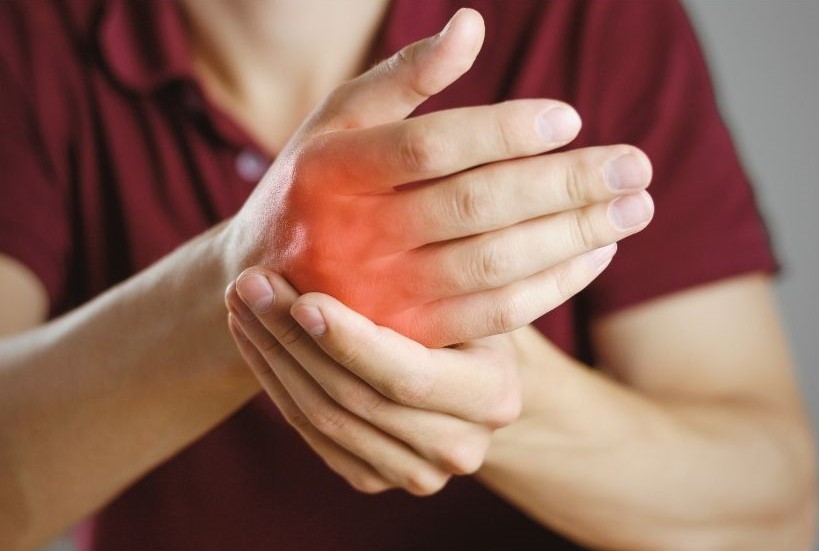
Joint pain, swelling, and morning stiffness, leading to difficulty with movement. Commonly affected joints include the knees, hips, fingers, and shoulders.

Care Program

  • Pain relief and inflammation reduction

  • Improving joint flexibility through manual therapy

  • Strengthening the muscles surrounding the joints with gentle, targeted exercises

  • Lifestyle modification guidance to help protect the joints and slow further degeneration

With an individualized care plan, we help patients move more comfortably, reduce discomfort, and achieve a sustained improvement in overall quality of life.

Causes:
Repetitive use of joints or muscles, sudden forceful movements, or repeated poor movement patterns.

Effects:
Pain, swelling, and limited joint mobility. Symptoms may include localized pain, tenderness to touch, and increased pain with movement. Commonly affected areas include the shoulder, hip, knee, and elbow.

Care Program

  • Manual therapy to release tension and reduce inflammation

  • Therapeutic exercises to improve muscle strength and flexibility

  • Targeted stretching to restore joint mobility

We also place strong emphasis on identifying the true underlying causes, such as repetitive overuse or improper movement mechanics. Personalized guidance on activity modification and proper daily posture is provided to reduce the risk of recurrence and support long-term functional recovery.

Causes:
Joint misalignment, stress, or teeth grinding during sleep, along with tightness in the neck and jaw muscles.

Effects:
Discomfort in the jaw, face, and neck, including cheek or jaw pain. Symptoms may also include clicking sounds when opening the mouth, as well as associated headaches or neck pain.

Care Program

  • Manual therapy to release muscle tension

  • Joint mobilization to improve jaw joint movement

  • Individualized therapeutic exercises to restore jaw mobility and strength

We also provide guidance on stress management and proper posture to reduce repeated strain on the jaw.

By addressing both physical and behavioral factors, this comprehensive approach helps relieve pain, restore jaw function, and promote smoother, more natural movement.

Causes:
Prolonged sitting or standing with poor posture, leading to muscle imbalance—where certain muscles become overly tight while others weaken. Common examples include forward head posture, rounded shoulders, a hunched upper back, or pelvic misalignment.

Effects:
Neck, shoulder, and lower back pain; shoulder clicking or cracking; shallow breathing; and increased physical fatigue.

Care Program

  • Postural realignment through manual therapy

  • Targeted muscle strengthening

  • Precise stretching exercises to restore balance and flexibility

We also provide ergonomic workplace recommendations and train proper movement patterns to increase body awareness and promote healthier daily posture.

By addressing the true underlying causes, patients experience improved posture, reduced pain, and enhanced efficiency in daily movement and activities.

Causes:
May result from aging, previous injuries, or reduced function of the nervous system responsible for balance control. It can also occur after surgery or in individuals with a history of ankle or knee injuries.

Effects:
Increased risk of falls, weak core muscles, unsteady gait, and difficulty maintaining balance—especially during directional changes or when standing on one leg.

Care Program

  • Balance training to enhance stability

  • Strengthening exercises

  • Proprioception training to improve body position awareness

  • Functional movement activities to develop coordination and build confidence in movement

By addressing the root causes, we help individuals regain better movement control, improve mobility, reduce the risk of falls, and return to a more confident and active lifestyle.

Causes:
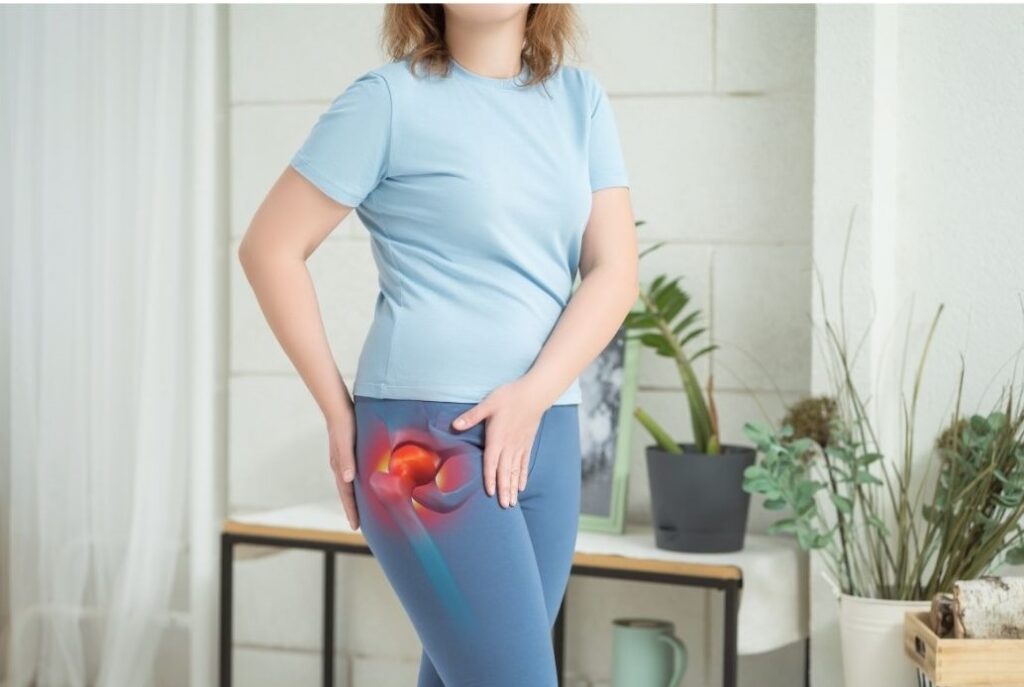
May be caused by joint degeneration, muscle imbalance, or injury. Contributing factors include tight or weak hip muscles, hip joint degeneration, pelvic misalignment, or improper weight-bearing.

Effects:
These conditions can significantly impact daily activities and overall quality of life. Common symptoms include deep hip pain, pain in the groin or lateral hip area, and discomfort when lifting the leg, sitting cross-legged, or taking wide steps.

Care Program

Our approach focuses on relieving pain through manual therapy while improving hip strength and flexibility with targeted exercises. We also assess and correct posture and movement patterns to appropriately reduce stress on the hip joint.

As movement improves and hip function becomes more balanced, individuals can move more comfortably and confidently, allowing them to return to daily life and activities with greater ease.

Cause:
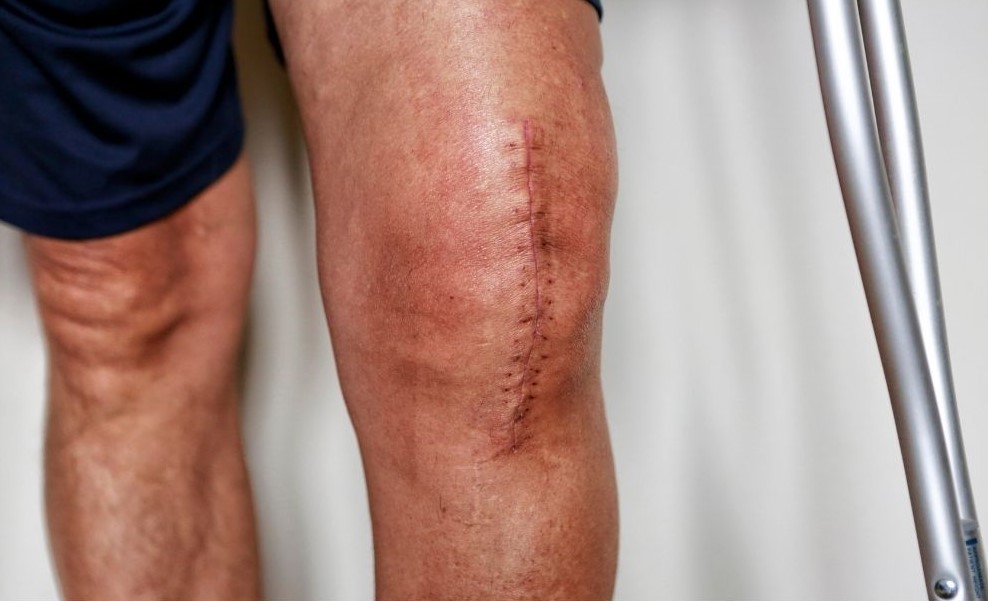
After surgery, patients often experience swelling, joint stiffness, muscle weakness, and reduced mobility, which require rehabilitation.

Effects:
Difficulty moving the joints, reduced muscle function, and slower performance of daily activities.

Care Program

Post-Surgery Rehabilitation is a vital process in restoring strength, mobility, and functional movement following surgery, whether involving the knee, hip, or shoulder.

The program integrates manual therapy, carefully controlled therapeutic exercises, and a gradual progression of training intensity to enhance mobility and relieve pain.

We focus on strengthening the surgical area, improving balance and coordination, and reducing the risk of complications, while customizing each rehabilitation plan to meet individual needs.

Our goal is to help patients safely and confidently return to their daily activities, support optimal long-term recovery, and promote sustainable physical and mental well-being.

Physical Therapy for Posture, Presence, and Confidence

Who This Program Is For

Designed for individuals who rely on their physical presence to project confidence and a positive image—including models, actors, executives, and anyone who values posture, body awareness, and refined movement.

Common Challenges

Many people focus on posture training, body language, or performance techniques to improve their appearance. However, if underlying structural imbalances, joint restrictions, or muscular tightness remain unaddressed, movement often requires compensation. This limits results and may lead to accumulated tension, discomfort, or injury over time.

Care Program

Our approach begins from the inside out—by restoring balance to the body’s structure, joints, and muscles. This allows the body to move, stretch, and express posture and personality naturally and efficiently.

Through targeted physical therapy, we help the body regain proper alignment and functional movement, creating a strong foundation for confident posture and expressive presence.

When the Body Is in Balance

• Posture training and expressive movement become more effective
• Body language appears more graceful, confident, and natural
• Reduced risk of injury and chronic muscular tension
• Improved long-term physical and mental well-being
Fit Sport Performance

For fitness enthusiasts and athletes who want to enhance performance or recover from sports-related injuries

Sports Enthusiasts

Weight Training

Weight Training / Fitness

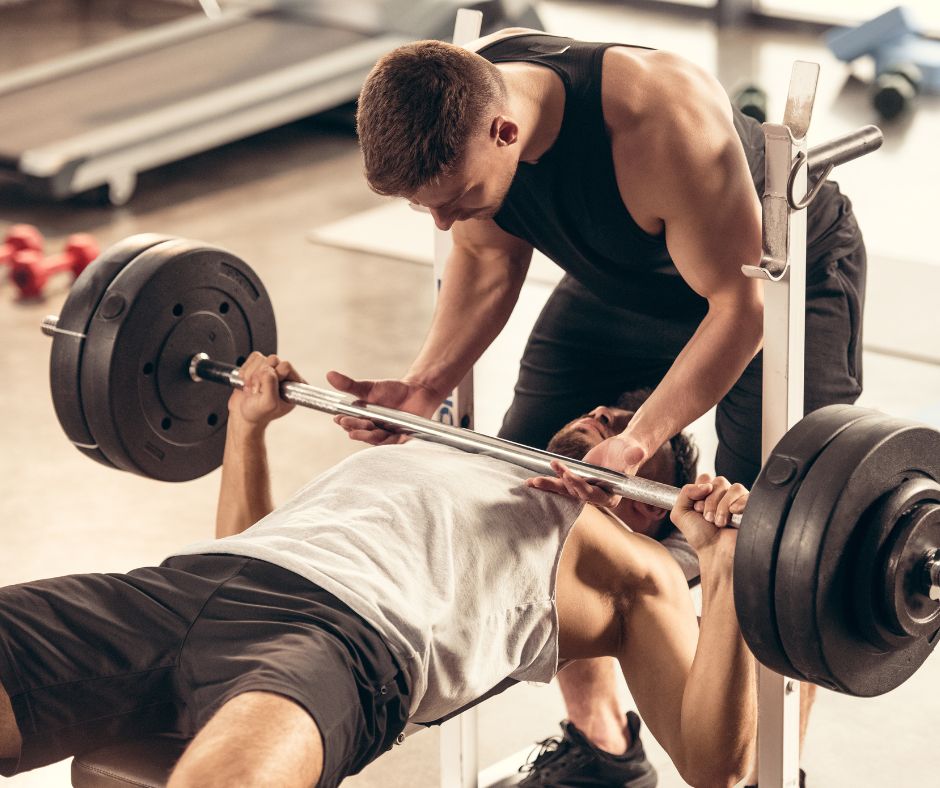
Regular fitness practitioners engage multiple muscle groups intensely, including arms, back, shoulders, legs, and core. These individuals are often highly dedicated, training several times per week. However, improper form or weak muscles in certain areas can lead to back, shoulder, or knee pain. Imbalances between overworked and underused muscles increase the risk of cumulative injuries.

Golfers rely heavily on their core and hip rotation for repeated swings. Repetitive motion can strain the lower back, hips, and waist. If core muscles are weak, swings may be misaligned, increasing stress on the spine and joints, reducing performance, and raising the risk of injury.

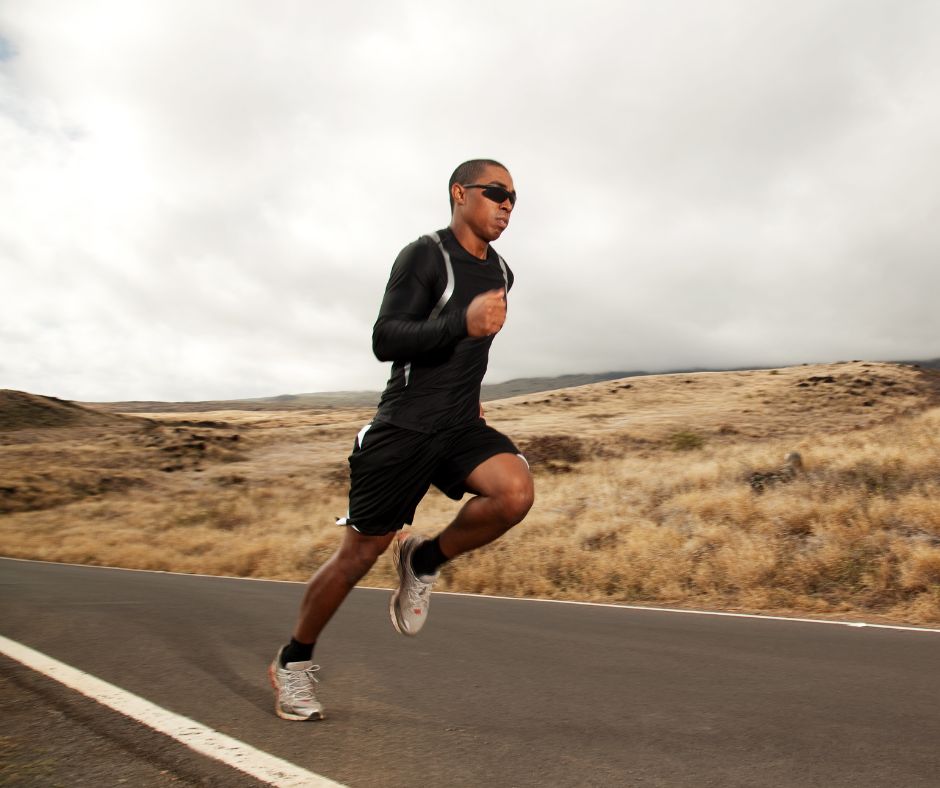
Runners use their legs, hips, and core continuously over long periods. Repetitive running creates cumulative impact on knees, legs, and hips. Incorrect running form or technique can cause tightness or weakness in certain muscles, leading to knee pain, hip discomfort, or other chronic issues.

Hikers often carry heavy loads over uneven terrain, engaging leg, hip, and upper back muscles. Without strengthening the core and ankles, they may experience back pain, ankle sprains, or knee discomfort.

Climbers use their entire body, especially hands, shoulders, scapula, and core. Arms and hands bear body weight while legs and core maintain balance. Weak shoulder or scapula muscles, or improper hand/foot placement, can cause tendon inflammation, shoulder pain, or elbow injuries.

Cyclists primarily use their legs, but the core and back are essential for stability. Prolonged periods in the same position can lead to back, neck, and wrist pain. Poor posture or weak core muscles reduce balance, affect performance, and increase the risk of cumulative injuries.

Divers use their back, shoulders, and core to move underwater. Carrying equipment and water resistance creates high physical demand. Weak core or back muscles may lead to back or shoulder pain. Additionally, improper breathing techniques can cause fatigue and reduce swimming efficiency.

Skiers rely on legs and core to balance on sloped surfaces. Fast, repetitive movements and impacts increase the risk of knee, hip, and back injuries. Weak or imbalanced leg and core muscles make falls and injuries more likely.

Tennis players use multiple body parts, including arms, wrists, shoulders, scapula, core, hips, and legs. Every swing involves rotation and repeated arm movement. Improper technique or weak muscles can cause shoulder, wrist, elbow, or lower back strain. Over time, these issues accumulate, leading to muscle weakness, joint stiffness, repeated injuries, or long-term joint degeneration.

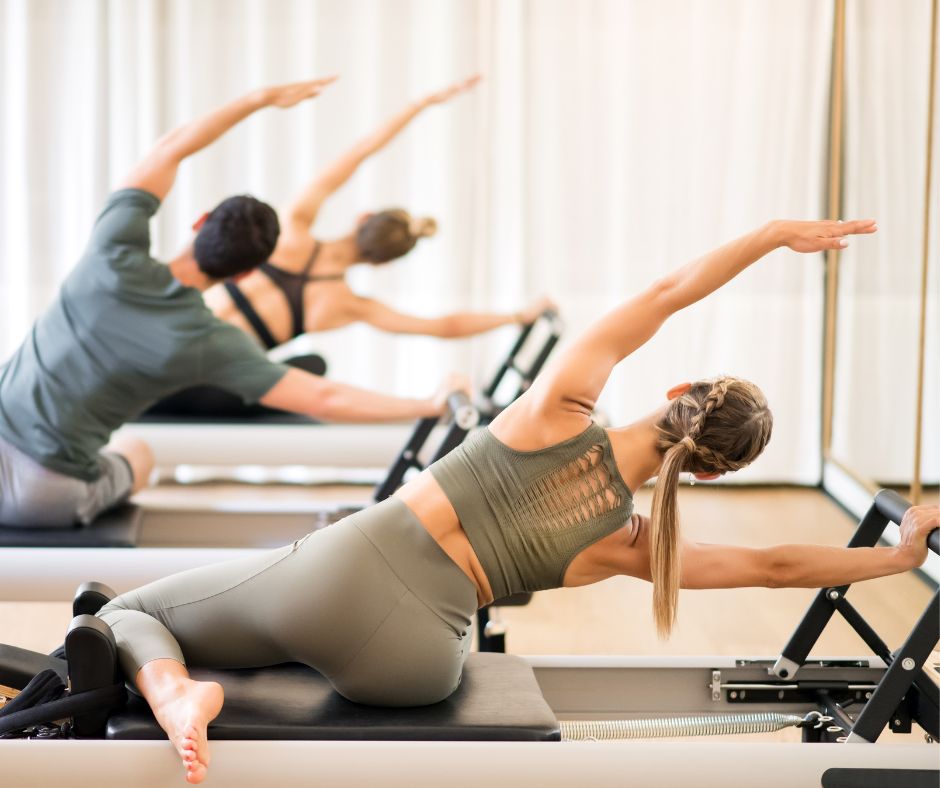
Many Pilates participants follow classes without assessing their own body structure. This can result in incorrect form, slow progress, or increased injury risk, especially in the back, neck, shoulders, hips, and core.

Our physical therapists conduct a detailed body assessment to design personalized Pilates routines suited to your body structure and goals. We teach proper muscle activation and focus to prevent injuries and maximize training effectiveness.

Competitive Bodybuilders

Main Activities

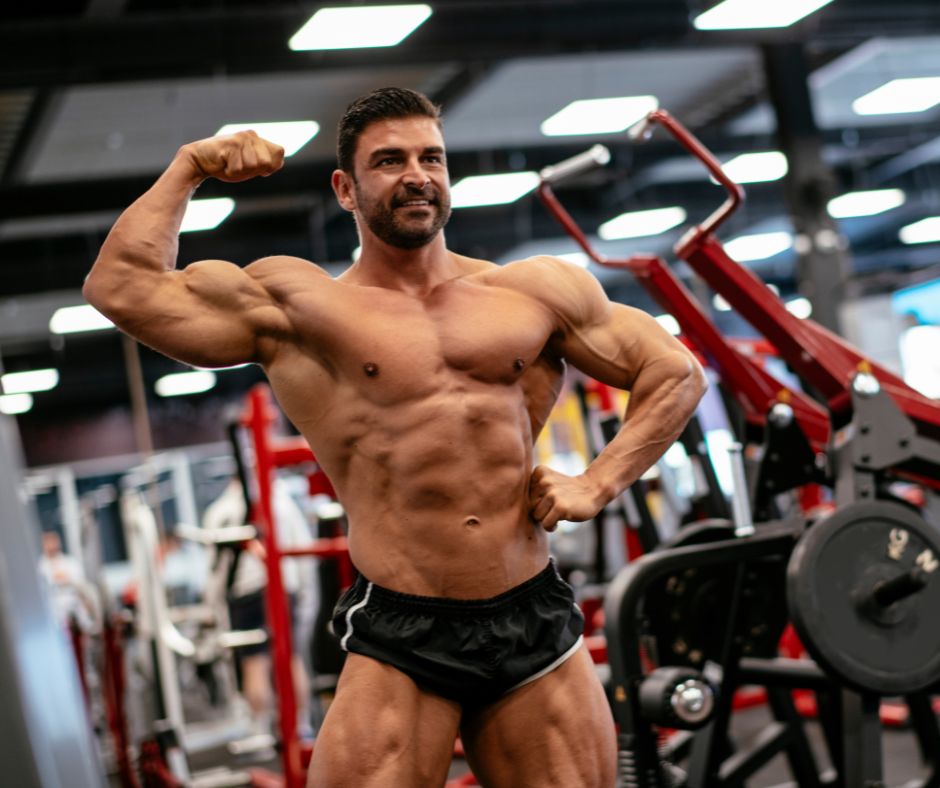
Competitive bodybuilders engage in high-intensity resistance training using heavy loads and multiple sessions per week to develop muscle size, symmetry, and proportion. These routines are supported by strict nutritional planning and structured recovery strategies.

Impact on the Body

• The spine, knees, and shoulders are exposed to high and repetitive mechanical stress over extended periods
• Certain muscle groups may become excessively strong, while opposing or stabilizing muscles remain comparatively weak
• Improper training technique or inadequate recovery increases the risk of lower back pain, shoulder injuries, and knee inflammation

If Left Unaddressed

• Repetitive stress injuries may accumulate and progress into chronic conditions
• Prolonged rehabilitation periods may be necessary, leading to decreased performance and missed competitions
• Muscles and joints may not fully recover to their optimal or pre-injury condition

Professional Trainers

Main Activities

Professional trainers spend long hours demonstrating exercises, lifting weights, and performing repetitive movements throughout the day while instructing and supporting clients.

Impact on the Body

• Continuous use of the arms, back, and core accelerates muscle fatigue and joint wear
• Insufficient flexibility or muscular imbalance increases the risk of lower back pain, shoulder pain, and joint inflammation
• Repetitive daily workload leads to cumulative physical stress over time

If Left Unaddressed

• Chronic pain may impair work performance and overall quality of life
• Reduced ability to demonstrate exercises and coach effectively
• Increased risk of serious injury, potentially requiring temporary work cessation

Fitzio Flow 5 Spine (FFS)

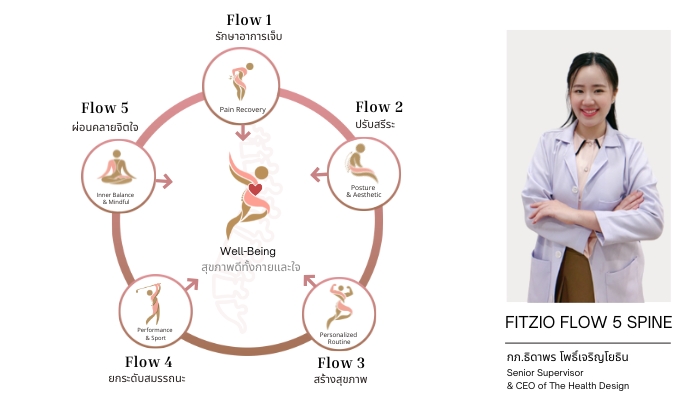
FITZIO FLOW 5 SPINE (FFS) represents the five core pillars of a holistic healthcare system. It begins with injury rehabilitation and postural realignment to restore balance, followed by the creation of personalized routines. The program then progresses to enhancing strength for sports performance and maximizing physical capacity, while also emphasizing internal balance and mindfulness.
Together, these five pillars deliver complete, sustainable, and well-rounded health outcomes across every dimension of Sustainable Well-Being
Read More >

Personalized Care at Fitzio Clinic

Flow 1 Pain Recovery

Read More >

Flow 2 Posture & Aesthetic

Read More >

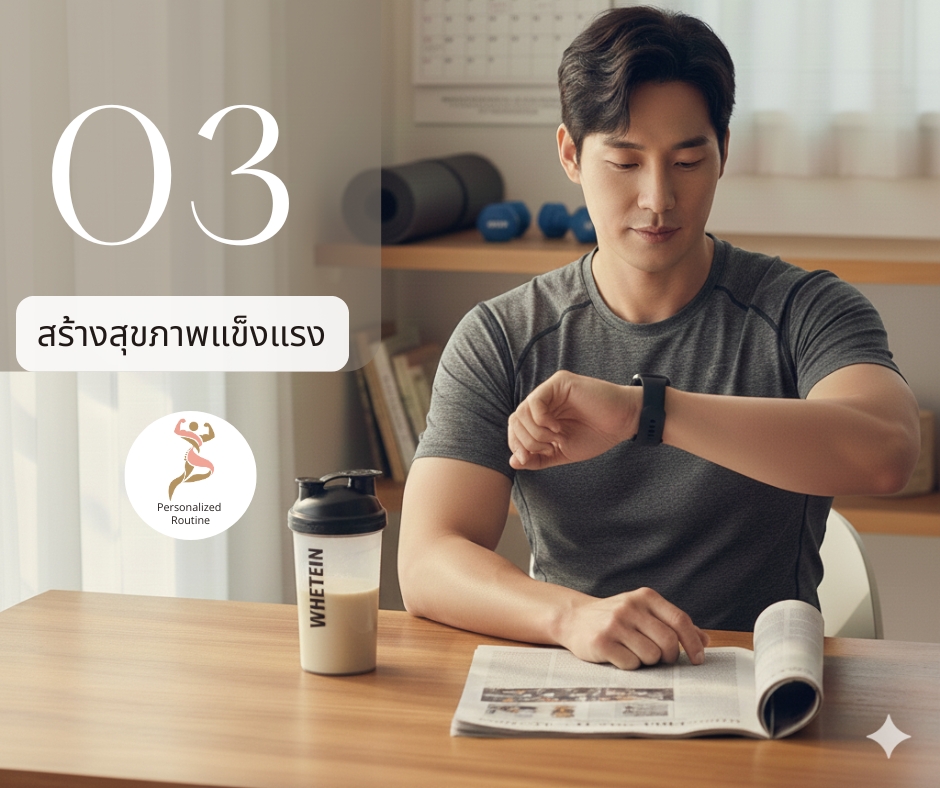
Flow 3 Personalized Routine

Read More >

Flow 4 Performance & Sport

Read More >

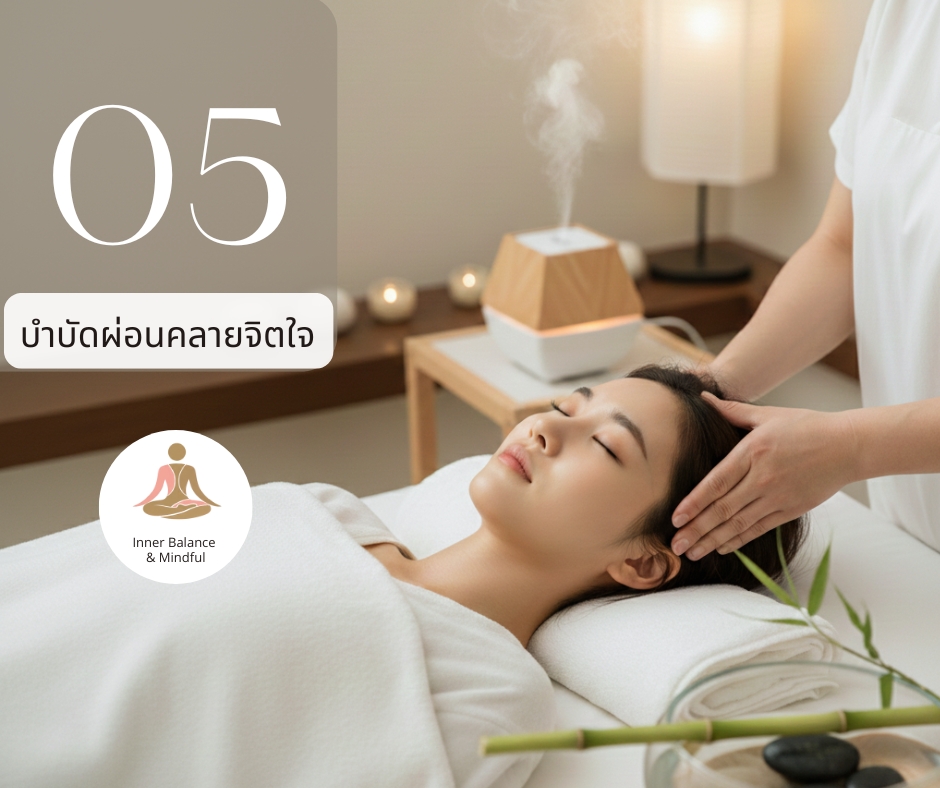
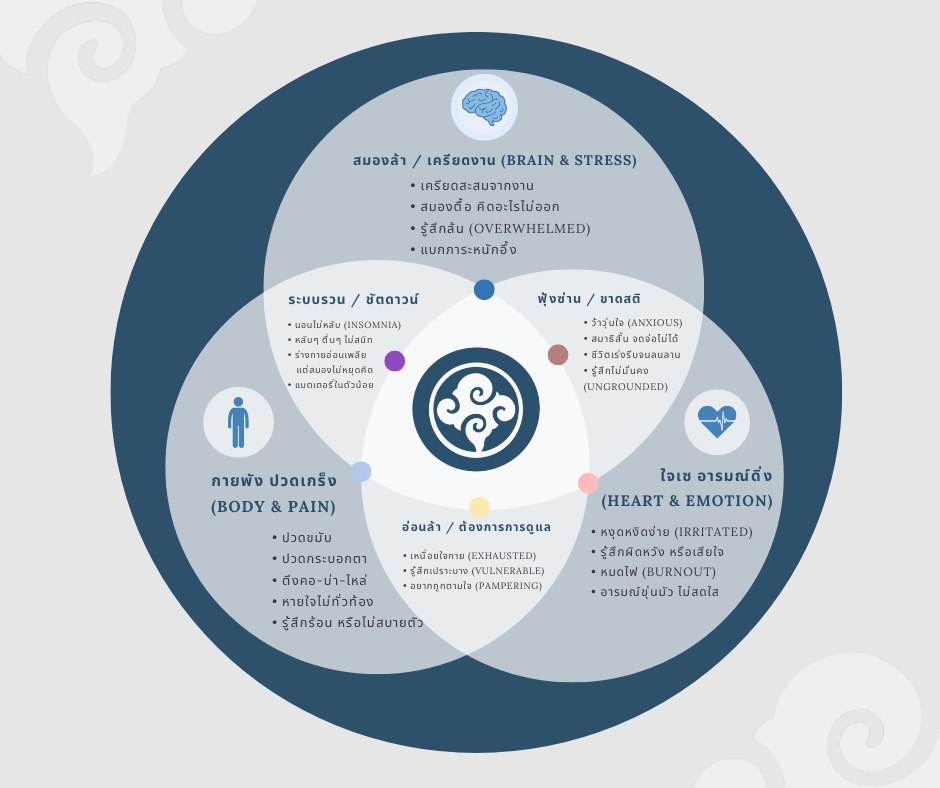
Flow 5 Inner Balance & Mindful

Read More >

7 Steps of Our Service Process

1. Advance Appointment
: To allow proper scheduling and ensure that our physiotherapists can provide the highest level of care.
2. Registration
: Please present a photo ID or national ID card for registration, and undergo blood pressure measurement prior to treatment.

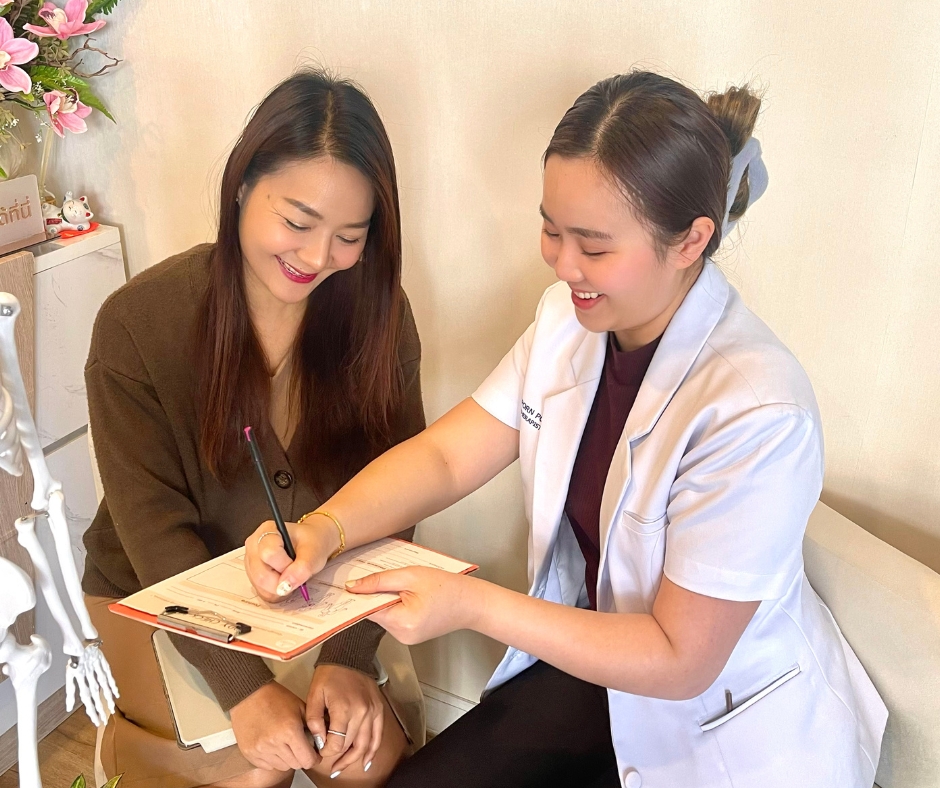
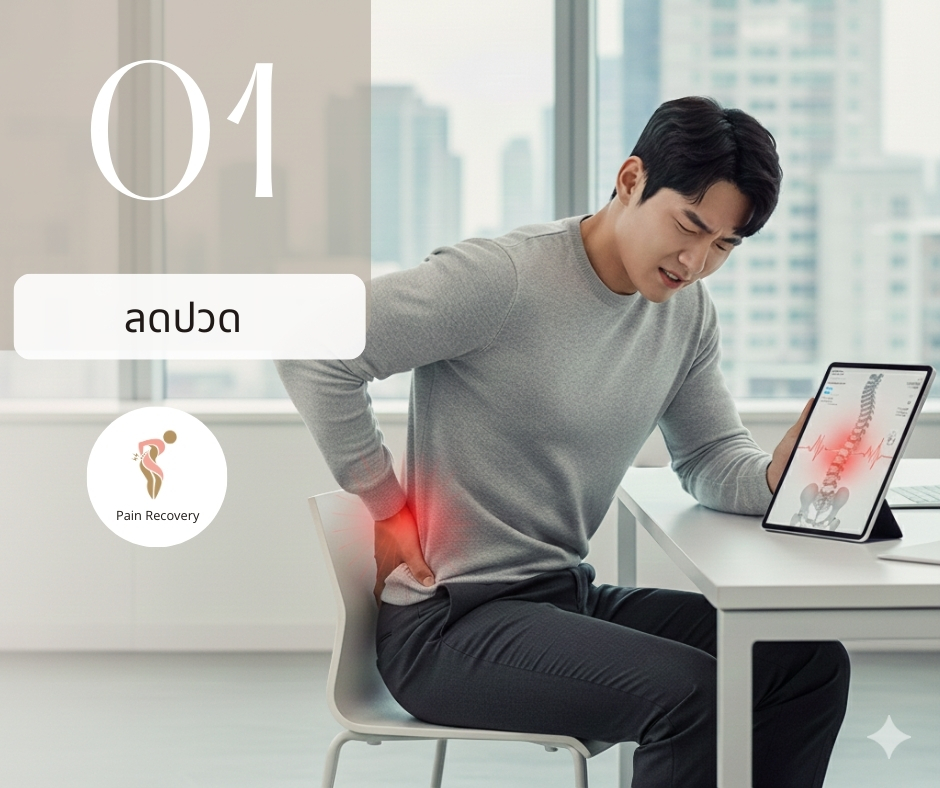
3. Physical Assessment
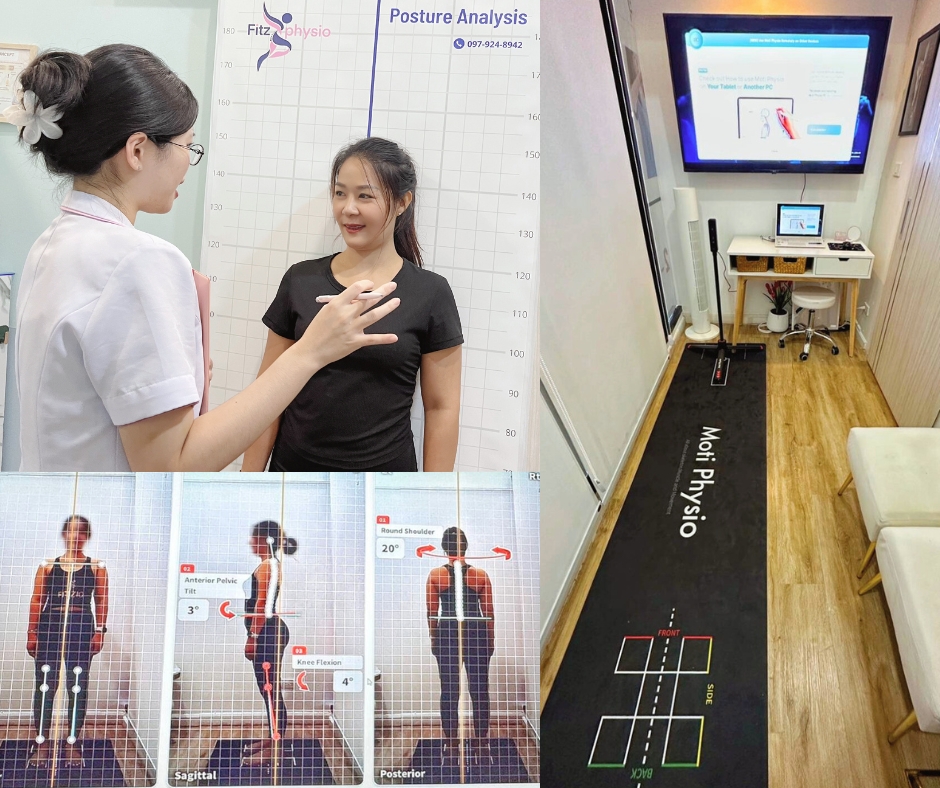
: A comprehensive evaluation of symptoms and body alignment with a physiotherapist, including detailed 3D structural scanning.
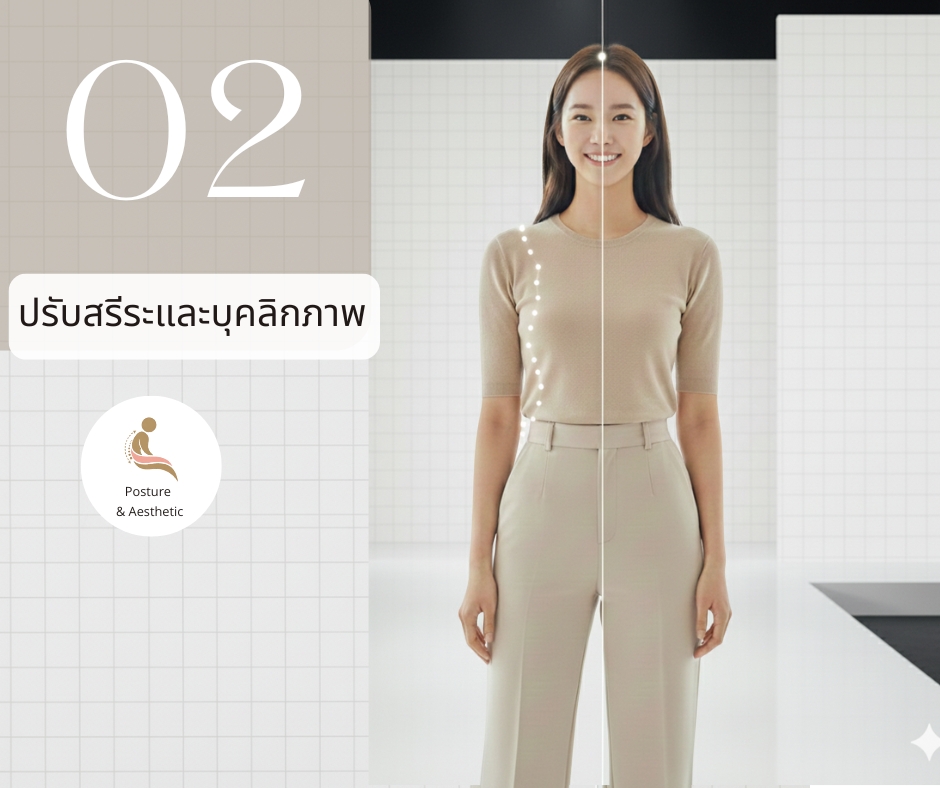
4. Symptom & Condition Assessment
: Using our proprietary assessment tools to identify concerns and collaboratively develop a treatment plan, ensuring the most appropriate care program is selected.
5. Treatment with Manual Therapy & Therapeutic Equipment
: Including acupressure, joint mobilization, and muscle therapy, combined with appropriate therapeutic equipment selected by our physiotherapists to promote the fastest and most effective recovery.

6. Personalized Exercise Program
: A customized exercise and rehabilitation program designed for each individual, enabling self-care at home. This is a crucial step in addressing pain at its root cause.

7. Treatment Plan Summary & Follow-Up Appointment 

: Review your recovery plan and timeline from pain management to independent care.

Note: Images are for service illustration purposes only.

Reviews

#คลินิกกายภาพบำบัดใกล้ฉัน #รักษากล้ามเนื้ออักเสบ  #คลินิกปวดหลัง #กายภาพคอบ่าไหล่ #Clinicnearme #sportinjuryclinic #office syndrome treatment #รักษาออฟฟิศซินโดรม #คลินิกกายภาพบำบัดกรุงเทพกรีฑา #กายภาพพิลาทิส#นอนหลับคุณภาพ#ลดความเครียด#ฟื้นฟูร่างกาย#ดูแลตัวเอง

#fitzioclinic #PilatesRehab #UltrasoundTherapy #Lasertherapy #Shockwavetherapy

#Exerciserehabilitation #TENS #UScombine #Pilates#Highpowerlasertherapy #Traction #Health#HealthyLifestyle#Wellness#PhysicalHealth#BodyCare#SelfCare

#Exercise#Rehab#Mobility#Recovery