Common Pain from Overuse ( Office Syndrome, Plantar Fasciitis, Knee Pain)
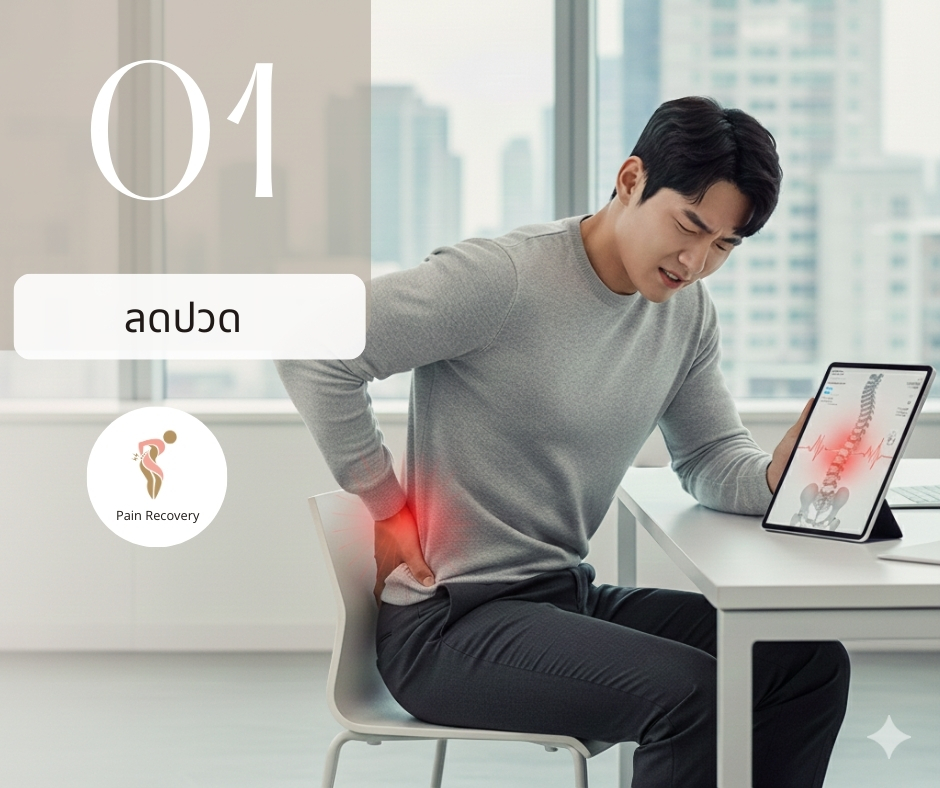
Low Back Pain
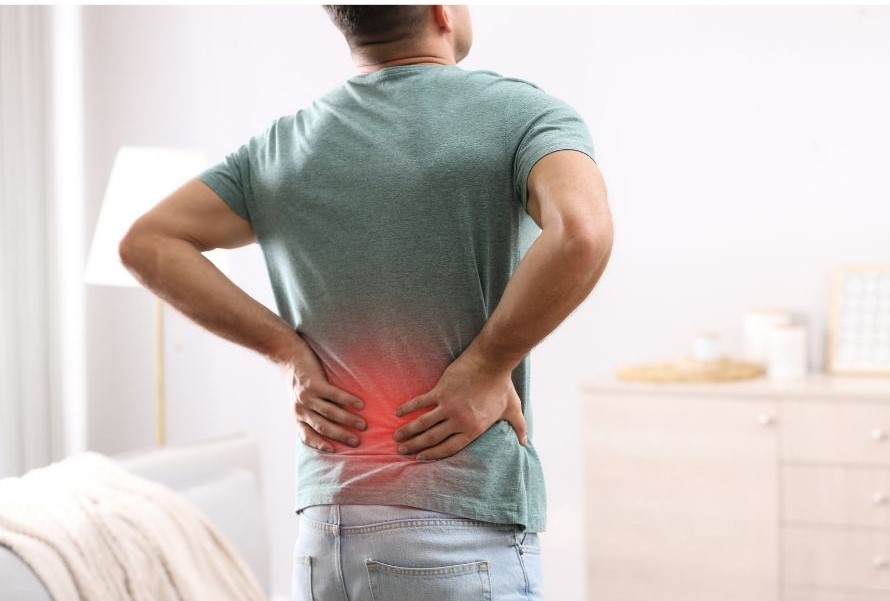
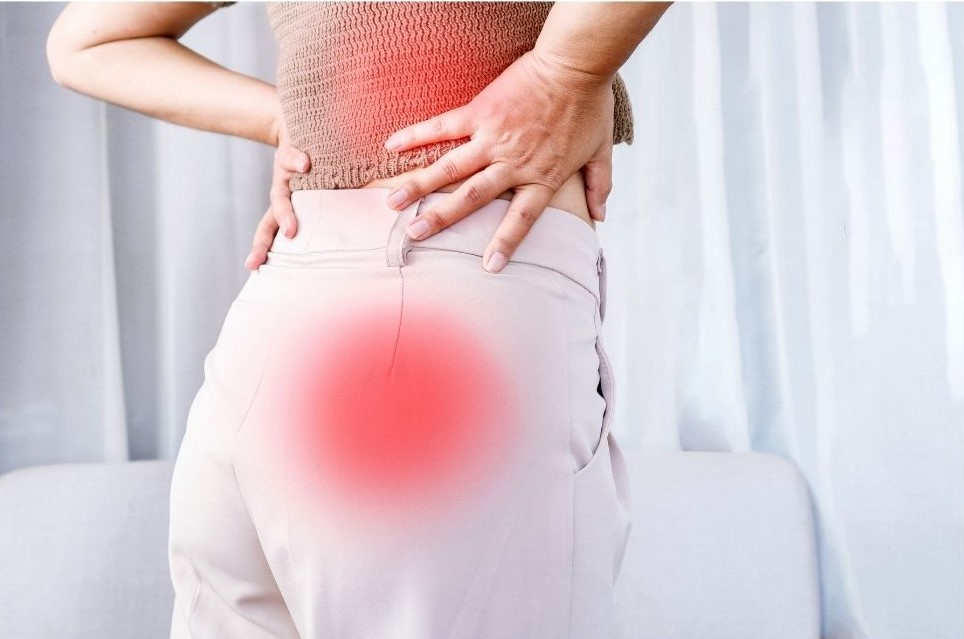
Causes: Commonly caused by muscle tension from prolonged sitting, improper lifting techniques, degenerative disc disease, or inflammation of the spinal joints.
Effects: Symptoms include lower back pain that may radiate to the hips or legs, along with difficulty bending forward or backward.
Care Program
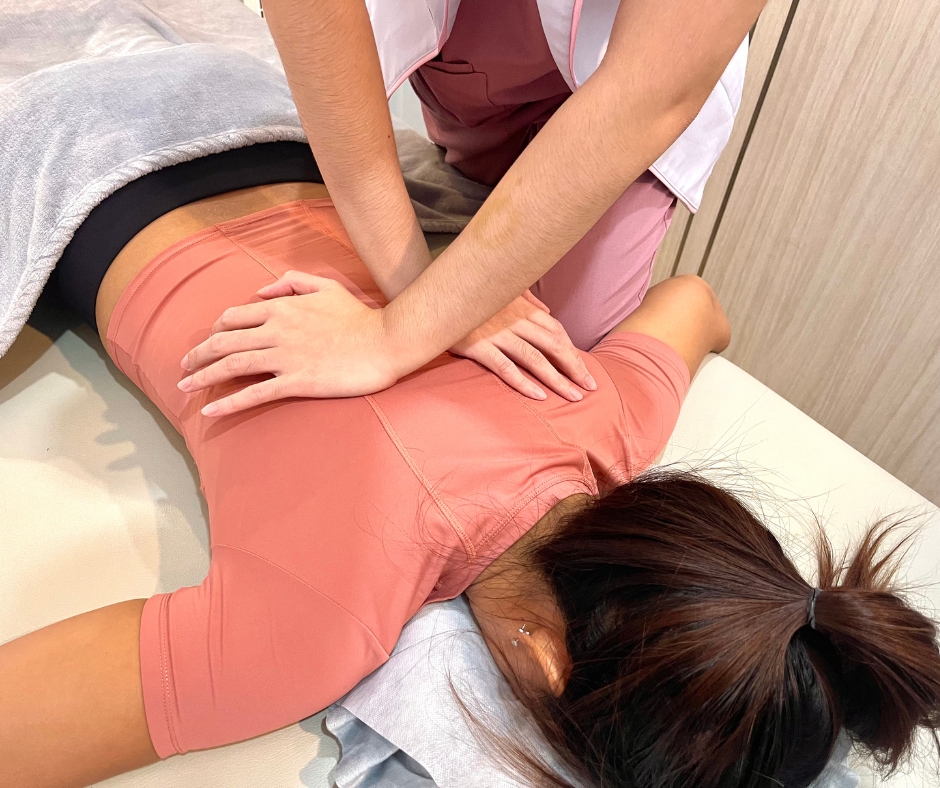
we provide comprehensive care for Low Back Pain, one of the most common and debilitating conditions. Our approach focuses on identifying the root cause, whether it’s muscle strain, poor posture, or a herniated disc. Through a combination of manual therapy, targeted exercises, and posture correction, we alleviate pain and restore mobility. We also teach patients strategies to strengthen their core and prevent future episodes. With our personalized care, we help you return to a pain-free and active life.
Neck Pain
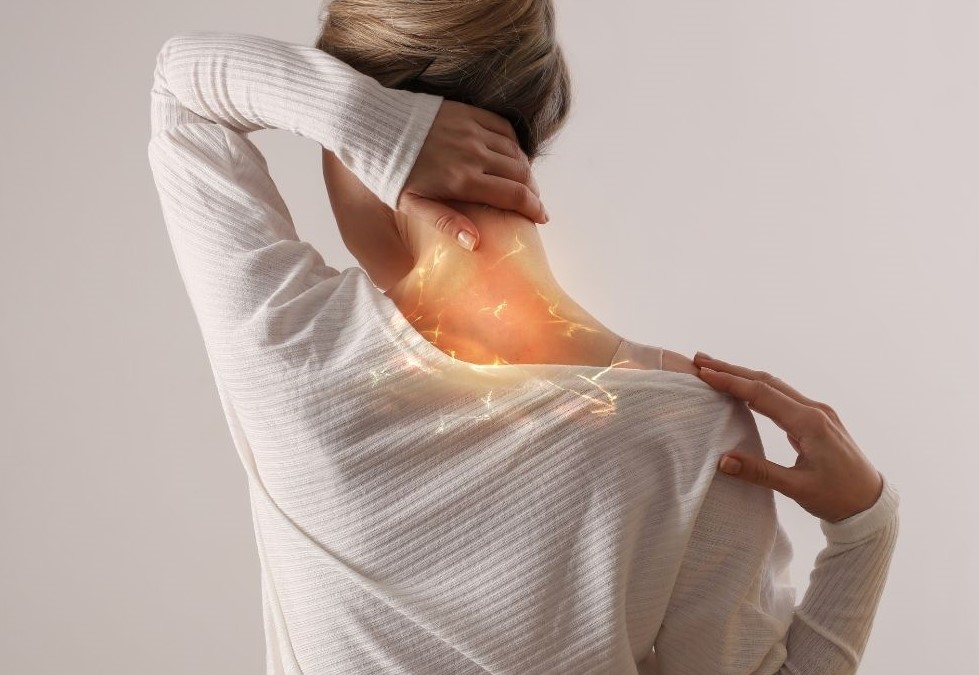
Causes: Poor posture, accumulated muscle tension, or injuries—such as prolonged neck flexion when using a mobile phone or computer. It may also result from weak neck muscles, degenerative cervical joints, or cervical disc herniation compressing nearby nerves.
Effects: Neck pain and stiffness extending to the base of the skull. Some individuals may experience pain radiating down the arm, numbness, or accompanying headaches.
Care Program
We integrate hands-on treatment, targeted stretching, and strengthening exercises to help relieve pain and restore optimal movement. In addition, we emphasize posture correction and provide ergonomic and movement guidance to help prevent symptom recurrence.
By addressing the root cause effectively, patients can return to feeling comfortable, moving smoothly, and using their bodies with greater confidence in everyday life.
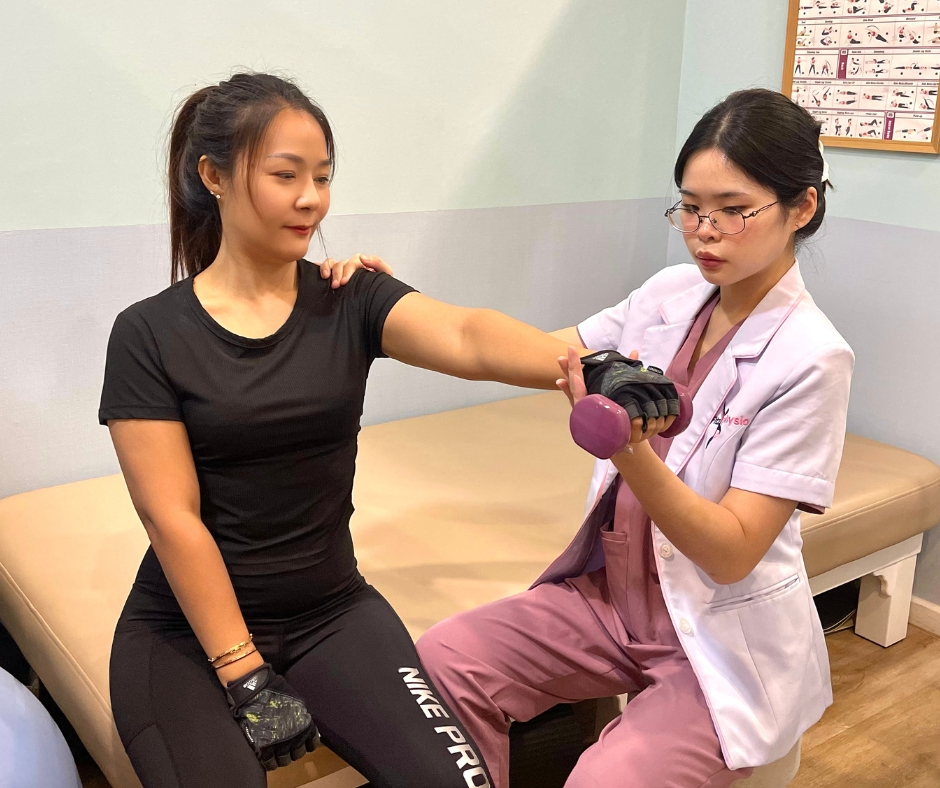
Frozen Shoulder
Causes: Repetitive shoulder use, weakness of the muscles surrounding the shoulder, shoulder joint inflammation, or prolonged lack of movement leading to joint stiffness, known as Frozen Shoulder (adhesive capsulitis).
Effects: Shoulder pain, limited ability to lift the arm fully, and difficulty reaching behind the back. In cases of frozen shoulder, the joint feels significantly stiff and restricted, making daily activities such as dressing or lifting objects challenging.
Care Program
We utilize manual therapy, targeted stretching, and strengthening exercises to help reduce pain and restore shoulder mobility. For individuals with frozen shoulder, we apply a gradual and structured treatment approach focused on improving shoulder movement while effectively managing pain.
We also provide guidance on proper posture and train correct movement patterns for daily activities to support long-term recovery and reduce the risk of recurrence.
Our goal is to help you regain comfortable, flexible shoulder movement and feel confident in every motion once again.
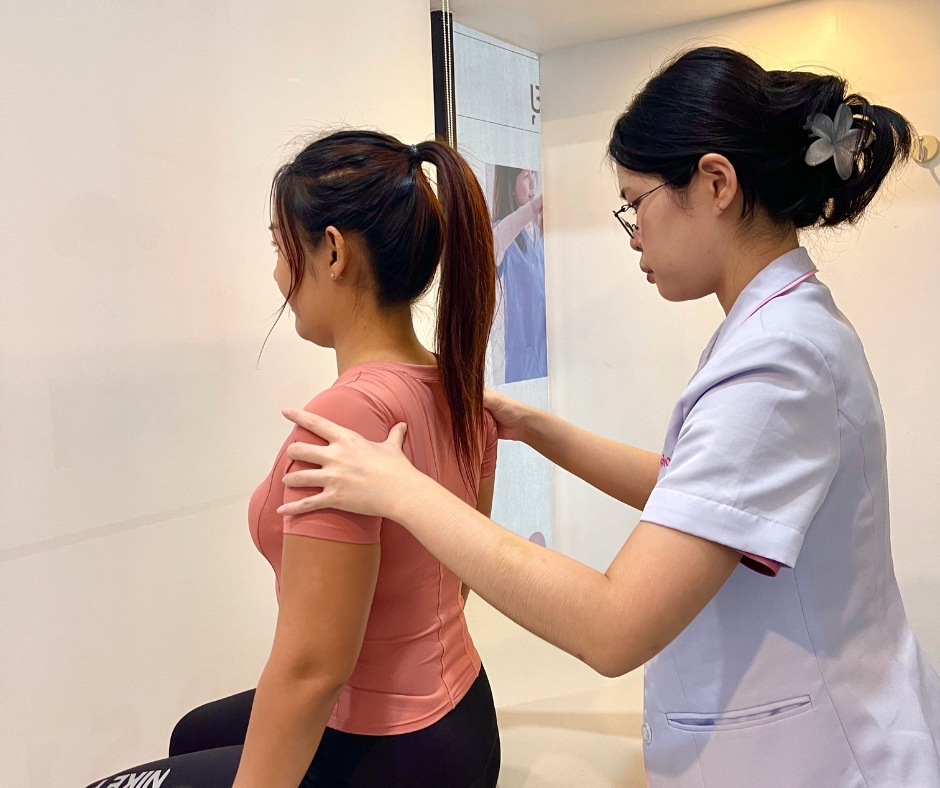
Office Syndrome
Causes: Repeated poor sitting posture, prolonged sitting, and muscle imbalance—where certain muscle groups (neck, shoulders, upper back) are overworked while others become weak.
Effects: Pain in the neck, shoulders, shoulder blades, and upper back, along with hand numbness and tension-related headaches.
Care Program
We address these issues through a systematic approach, starting with posture correction, hands-on manual therapy to release muscle tension, and targeted exercises to relieve pain and improve flexibility.
We also provide ergonomic workstation setup advice, proper sitting posture guidance, and simple stretching exercises that can be performed throughout the day to help maintain correct posture during work hours.
By addressing the true root cause of the problem, you can experience long-term relief, reduce accumulated pain, and improve overall quality of life. This program is ideal for individuals who work at a screen throughout the day.
Muscle Strain and Sprains
Causes: Overexertion, sudden or rapid movements, or engaging in physical activity when the body is not adequately prepared.
Effects: Pain and swelling, tenderness to touch, limited range of motion, and a feeling of tightness or weakness in the injured area.
Care Program
The program includes manual therapy, targeted stretching, and strengthening exercises to support muscle recovery and restore normal function.
We also focus on addressing the root causes, such as muscle imbalances or improper movement patterns, to help prevent future injuries.
In addition, we provide education on proper warm-up routines, stretching techniques, and safe body mechanics, allowing you to return to daily activities and exercise more quickly and with confidence.
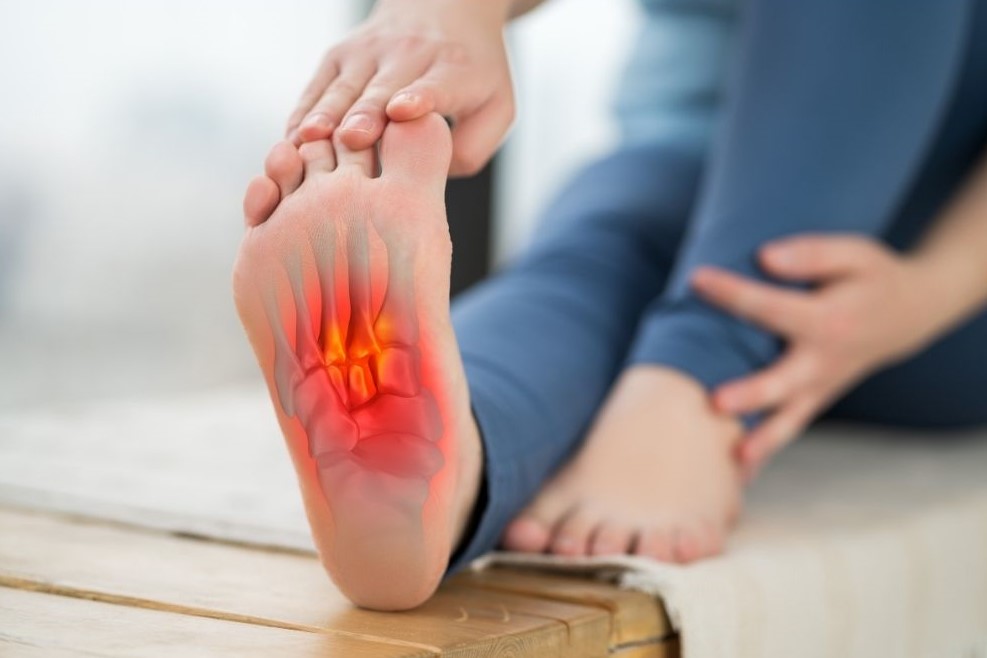
Plantar Fasciitis
Causes: Excessive foot use from prolonged walking or standing, excess body weight, weakness of the foot or leg muscles, and uneven weight distribution.
Effects: Heel pain, especially during the first steps in the morning or after long periods of standing or walking.
Care Program
Manual therapy to release tight fascia
Calf and plantar fascia stretching exercises
Strengthening exercises to support the arch structure of the foot
We also provide guidance on appropriate footwear and strategies to reduce impact and pressure on the feet during daily activities.
This holistic approach helps relieve pain, restore proper foot function, and prevent recurrence—allowing you to return to daily life and movement with greater comfort.
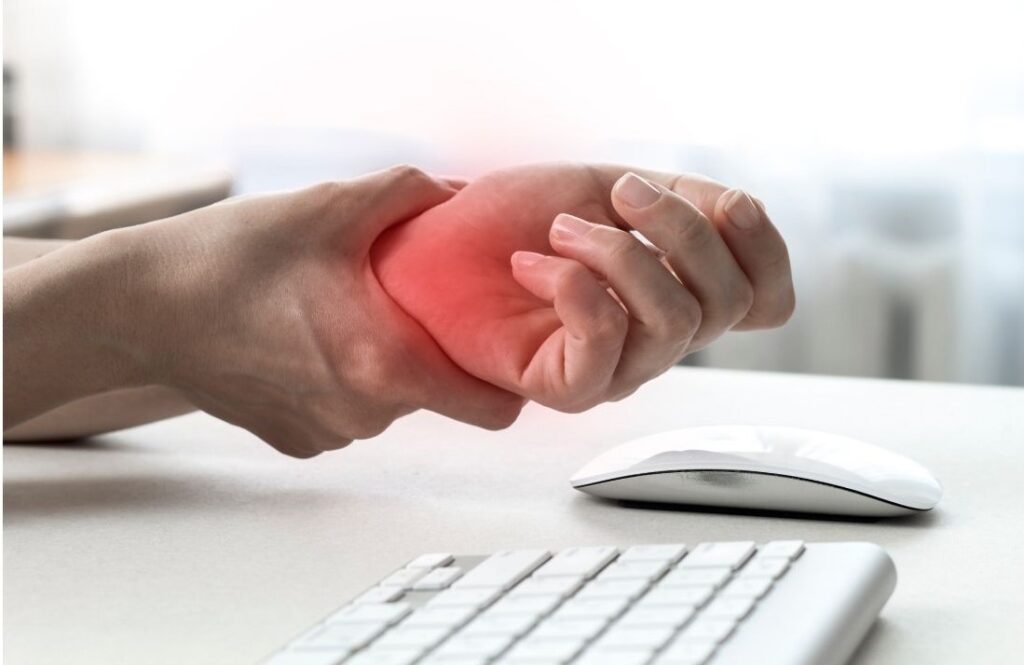
Carpal Tunnel Syndrome
Causes: Compression of the median nerve at the wrist, commonly from activities such as typing, using a mouse, or holding a mobile phone. Excessive wrist flexion or extension, as well as scar tissue within the carpal tunnel, can also contribute to nerve compression.
Effects: Numbness and pain in the fingertips—especially the thumb, index, and middle fingers—along with decreased grip strength.
Care Program
Manual therapy to reduce compression and release tension in the wrist and forearm
Nerve gliding exercises to improve nerve mobility and reduce irritation
Stretching exercises to enhance flexibility of the wrist and forearm
Strengthening exercises to restore stable and efficient function of the wrist and hand
Postural and ergonomic recommendations, including appropriate equipment setup, to minimize pressure during work and daily activities
This holistic treatment approach helps improve wrist mobility, reduce pain and numbness, and sustainably prevent symptom recurrence.
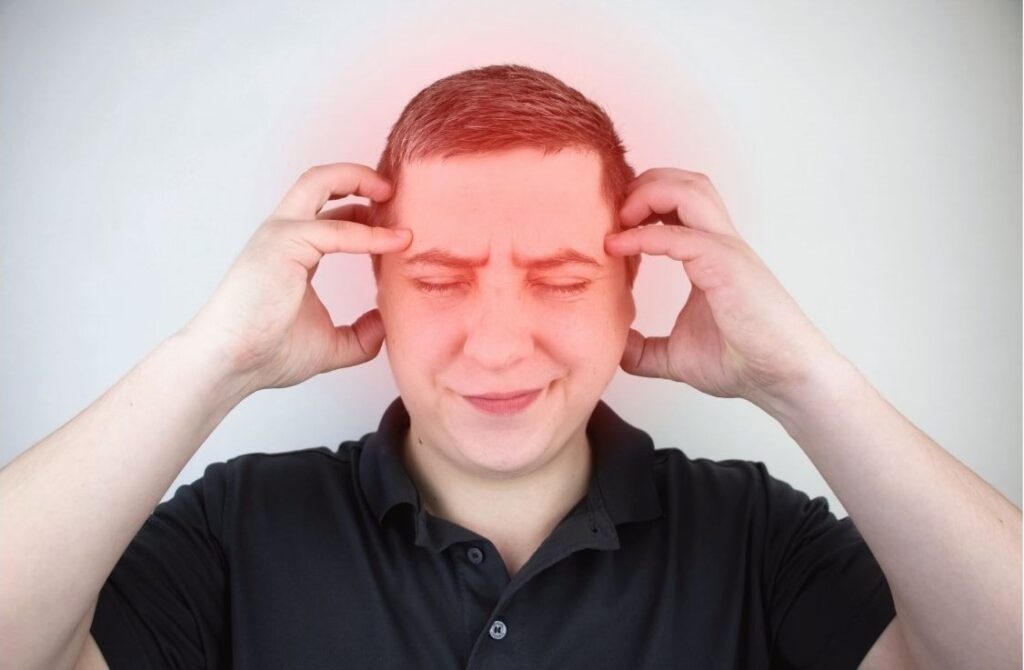
Headaches and Migraines
Causes: Poor posture, stress, or muscle tension in the neck, shoulders, and upper back.
Effects: Headaches radiating to the back of the head or temples, a heavy or tight head sensation, eye pain, and sometimes accompanying dizziness.
Care Program
Manual therapy to reduce tension and release the muscles contributing to pain
Trigger point release to relieve accumulated muscle knots
Relaxation techniques to calm the nervous system and alleviate pain
Targeted stretching exercises to improve flexibility of the neck, shoulders, and upper back
Posture correction to address the root cause and reduce long-term recurrence
As muscle tension decreases and structural alignment improves, headache symptoms are reduced, daily activities become more comfortable, and overall quality of life improves significantly.
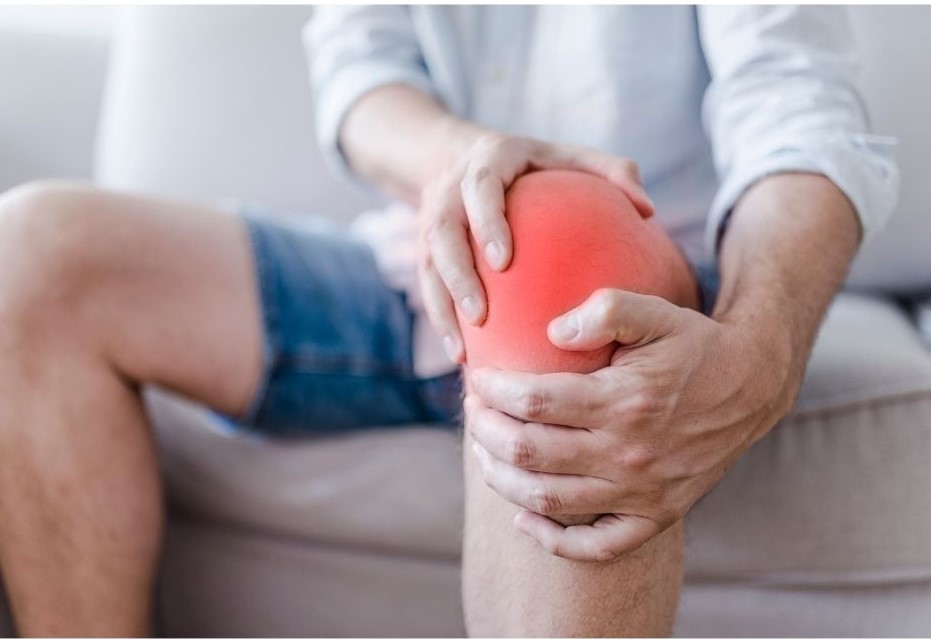
Knee Pain
Causes: Overuse of the knee joint, muscle imbalances around the knee, excess body weight, or injury to the knee cartilage/meniscus.
Effects: Knee injuries or degenerative changes that lead to difficulty with movement and interfere with daily activities. Symptoms may include pain at the front of the knee, pain on the inner or outer side of the knee, difficulty standing up, sitting down, or climbing stairs, as well as joint noises or swelling.
Care Program
Pain and inflammation management
Improving knee joint stability
Restoring strength of the muscles surrounding the knee through individualized exercise programs
Manual therapy to release tight areas and reduce joint stress
Correction of muscle imbalances and gait abnormalities that may increase stress on the knee joint
We also teach proper movement techniques to help prevent re-injury and support a confident return to active, functional daily living.
For active individuals looking to enhance performance or recover from sports-related injuries
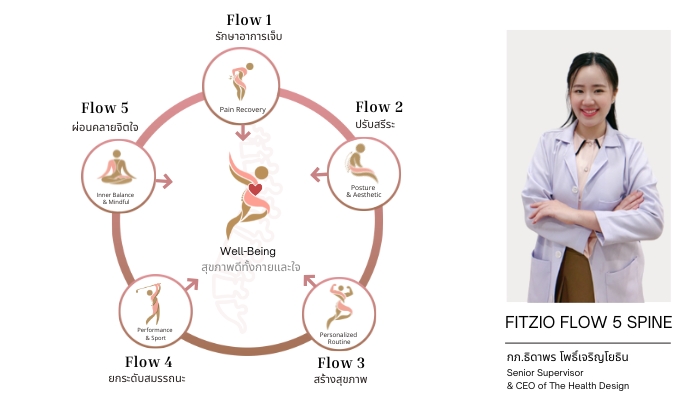
FITZIO FLOW 5 SPINE
FITZIO FLOW 5 SPINE (FFS) represents the five core pillars of a holistic healthcare system. It begins with injury rehabilitation and postural realignment to restore balance, followed by the creation of personalized routines. The program then progresses to enhancing strength for sports performance and maximizing physical capacity, while also emphasizing internal balance and mindfulness. Together, these five pillars deliver complete, sustainable, and well-rounded health outcomes across every dimension of wellbeing.