For fitness enthusiasts and athletes who want to enhance performance or recover from sports-related injuries
Sports Enthusiasts
Weight Training
Weight Training / Fitness
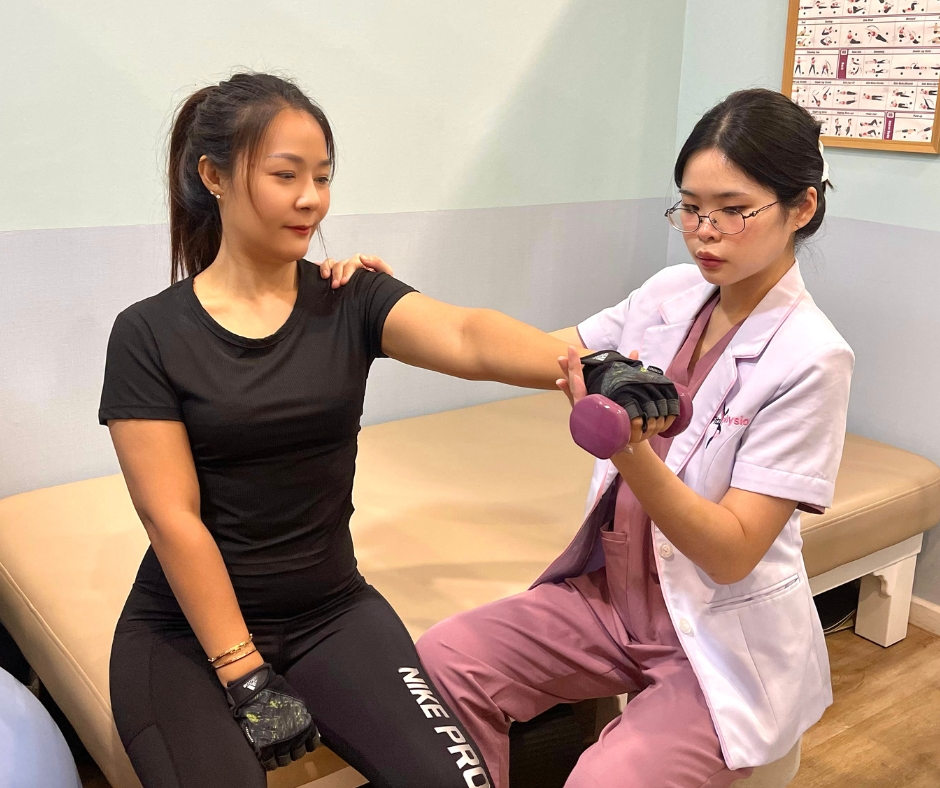
Regular fitness practitioners engage multiple muscle groups intensely, including arms, back, shoulders, legs, and core. These individuals are often highly dedicated, training several times per week. However, improper form or weak muscles in certain areas can lead to back, shoulder, or knee pain. Imbalances between overworked and underused muscles increase the risk of cumulative injuries.
Golfers
Golfers rely heavily on their core and hip rotation for repeated swings. Repetitive motion can strain the lower back, hips, and waist. If core muscles are weak, swings may be misaligned, increasing stress on the spine and joints, reducing performance, and raising the risk of injury.
Runners / Marathoners
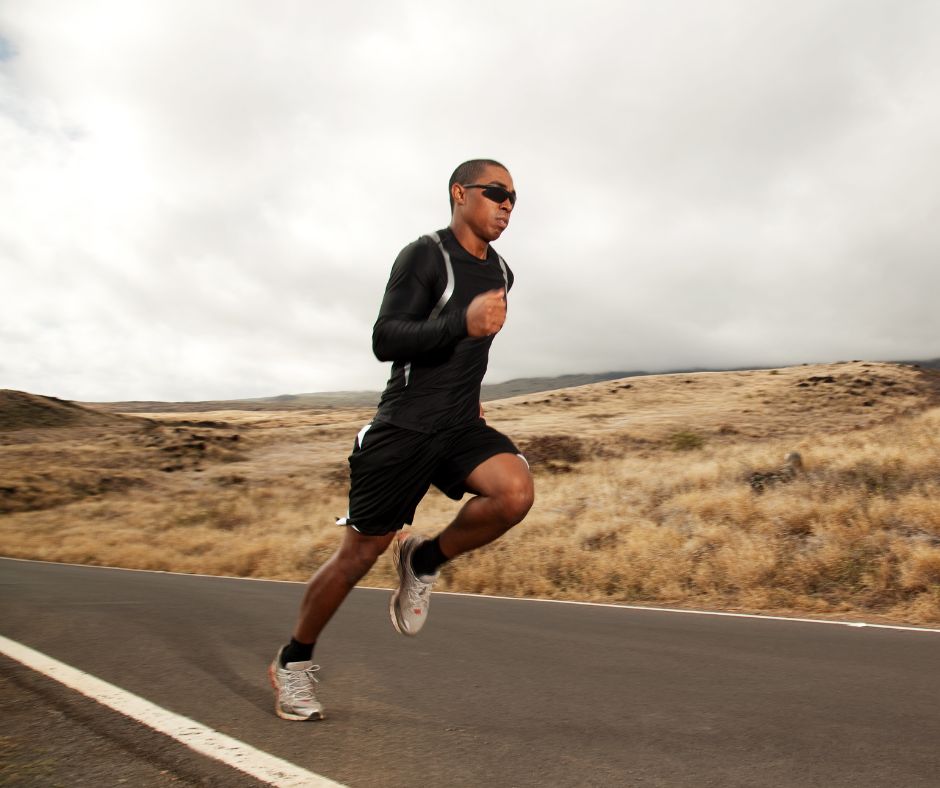
Runners use their legs, hips, and core continuously over long periods. Repetitive running creates cumulative impact on knees, legs, and hips. Incorrect running form or technique can cause tightness or weakness in certain muscles, leading to knee pain, hip discomfort, or other chronic issues.
Trekking / Hiking
Hikers often carry heavy loads over uneven terrain, engaging leg, hip, and upper back muscles. Without strengthening the core and ankles, they may experience back pain, ankle sprains, or knee discomfort.
Climbing
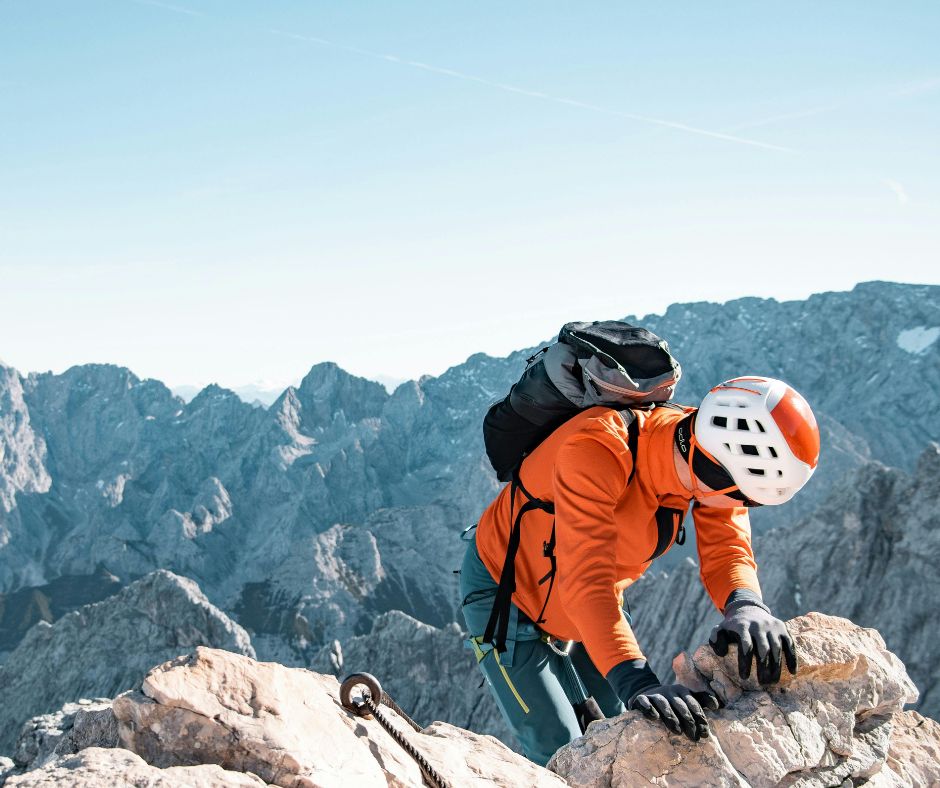
Climbers use their entire body, especially hands, shoulders, scapula, and core. Arms and hands bear body weight while legs and core maintain balance. Weak shoulder or scapula muscles, or improper hand/foot placement, can cause tendon inflammation, shoulder pain, or elbow injuries.
Cycling
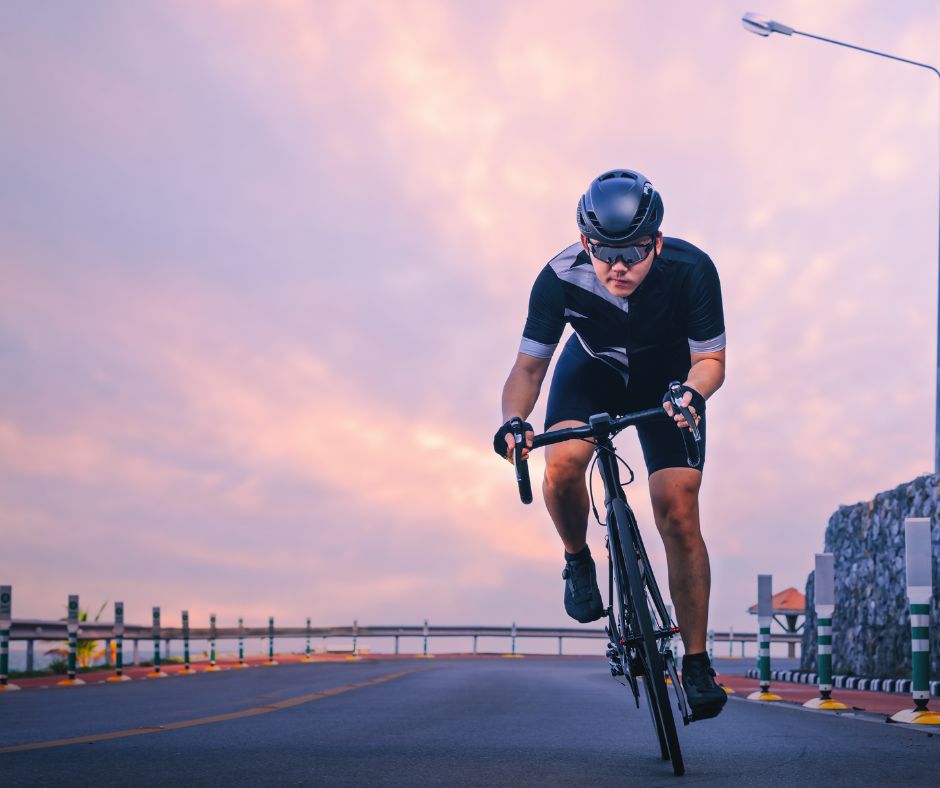
Cyclists primarily use their legs, but the core and back are essential for stability. Prolonged periods in the same position can lead to back, neck, and wrist pain. Poor posture or weak core muscles reduce balance, affect performance, and increase the risk of cumulative injuries.
Scuba & Freedive
Divers use their back, shoulders, and core to move underwater. Carrying equipment and water resistance creates high physical demand. Weak core or back muscles may lead to back or shoulder pain. Additionally, improper breathing techniques can cause fatigue and reduce swimming efficiency.
Snowboard
Skiers rely on legs and core to balance on sloped surfaces. Fast, repetitive movements and impacts increase the risk of knee, hip, and back injuries. Weak or imbalanced leg and core muscles make falls and injuries more likely.
Tennis
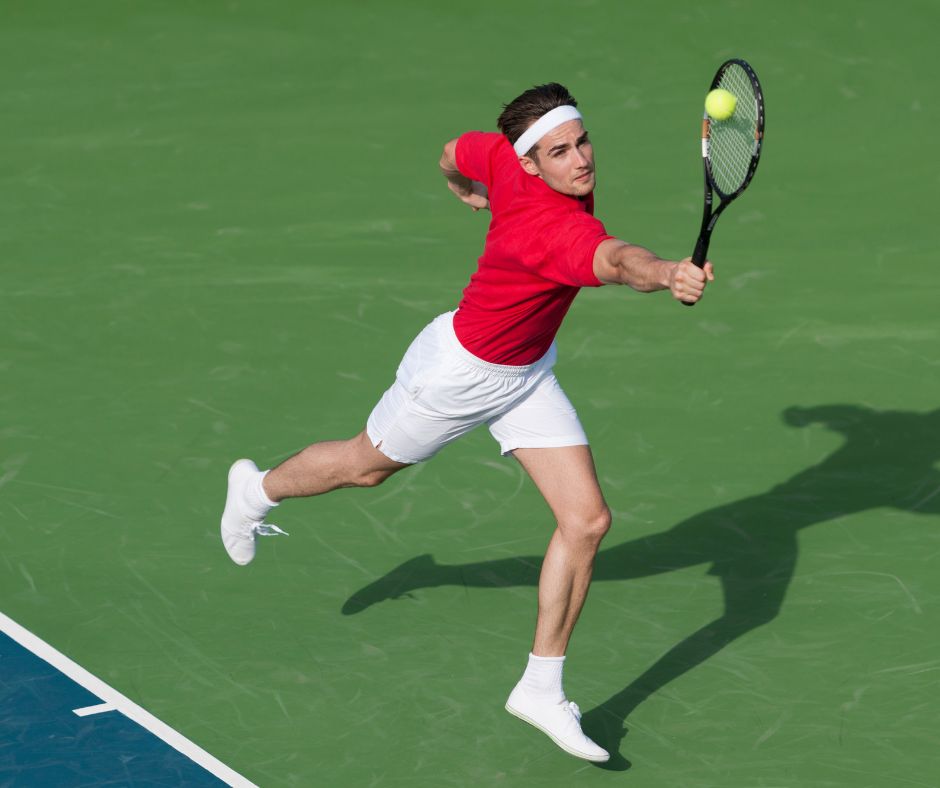
Tennis players use multiple body parts, including arms, wrists, shoulders, scapula, core, hips, and legs. Every swing involves rotation and repeated arm movement. Improper technique or weak muscles can cause shoulder, wrist, elbow, or lower back strain. Over time, these issues accumulate, leading to muscle weakness, joint stiffness, repeated injuries, or long-term joint degeneration.
Pilates
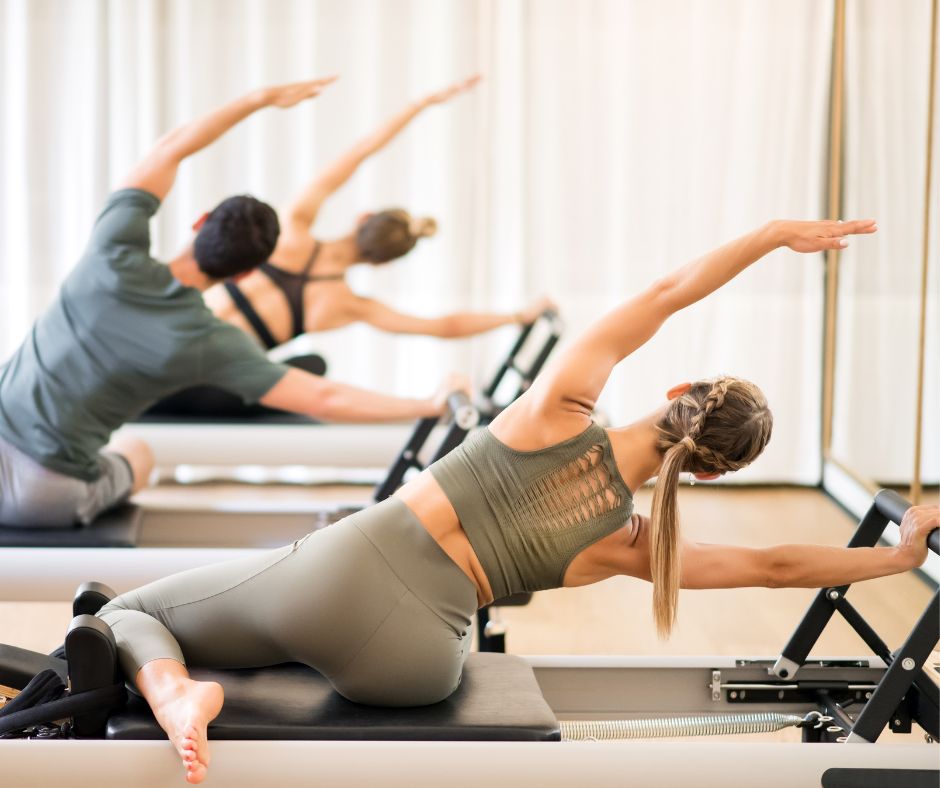
Many Pilates participants follow classes without assessing their own body structure. This can result in incorrect form, slow progress, or increased injury risk, especially in the back, neck, shoulders, hips, and core.
Our physical therapists conduct a detailed body assessment to design personalized Pilates routines suited to your body structure and goals. We teach proper muscle activation and focus to prevent injuries and maximize training effectiveness.
Competitive Bodybuilders
Competitive Bodybuilders
Main Activities
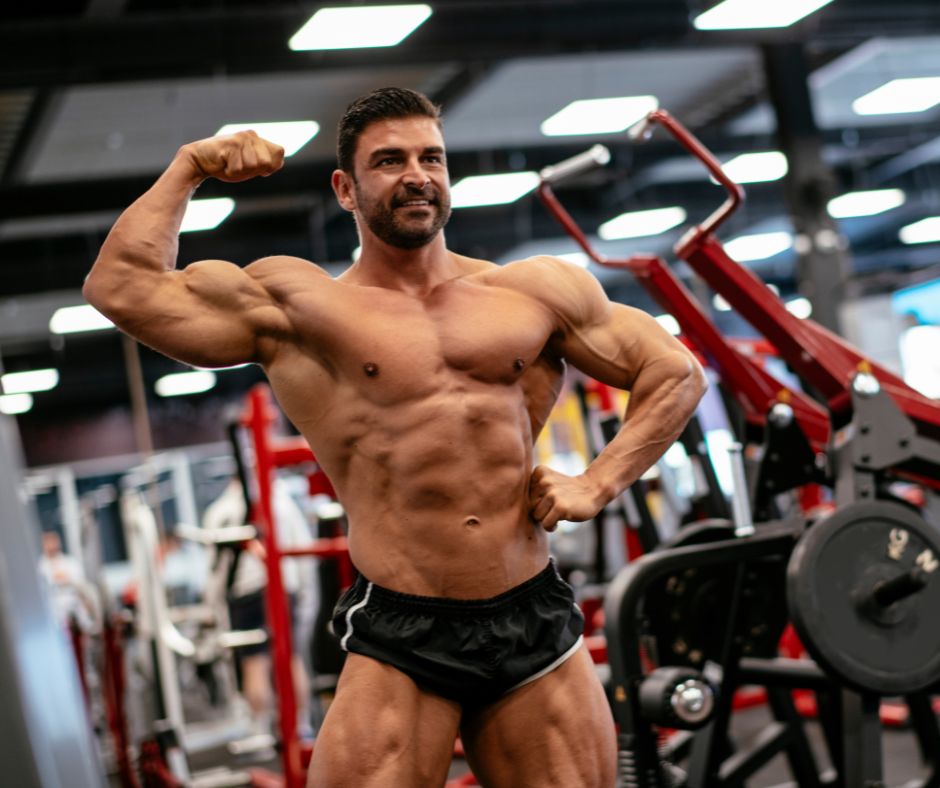
Competitive bodybuilders engage in high-intensity resistance training using heavy loads and multiple sessions per week to develop muscle size, symmetry, and proportion. These routines are supported by strict nutritional planning and structured recovery strategies.
Impact on the Body
• The spine, knees, and shoulders are exposed to high and repetitive mechanical stress over extended periods • Certain muscle groups may become excessively strong, while opposing or stabilizing muscles remain comparatively weak • Improper training technique or inadequate recovery increases the risk of lower back pain, shoulder injuries, and knee inflammation
If Left Unaddressed
• Repetitive stress injuries may accumulate and progress into chronic conditions • Prolonged rehabilitation periods may be necessary, leading to decreased performance and missed competitions • Muscles and joints may not fully recover to their optimal or pre-injury condition
Professional Trainers
Professional Trainers
Main Activities
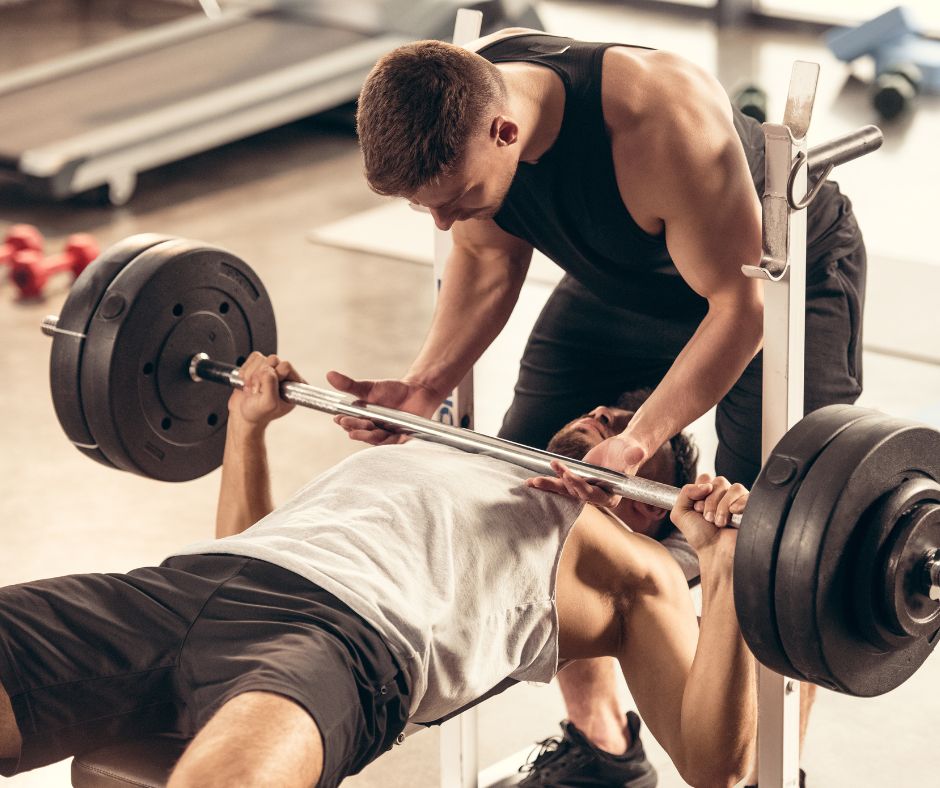
Professional trainers spend long hours demonstrating exercises, lifting weights, and performing repetitive movements throughout the day while instructing and supporting clients.
Impact on the Body
• Continuous use of the arms, back, and core accelerates muscle fatigue and joint wear • Insufficient flexibility or muscular imbalance increases the risk of lower back pain, shoulder pain, and joint inflammation • Repetitive daily workload leads to cumulative physical stress over time
If Left Unaddressed
• Chronic pain may impair work performance and overall quality of life • Reduced ability to demonstrate exercises and coach effectively • Increased risk of serious injury, potentially requiring temporary work cessation
For complex and specific conditions, such as: Postural Imbalances
FITZIO FLOW 5 SPINE
Personalized Care at Fitzio Clinic
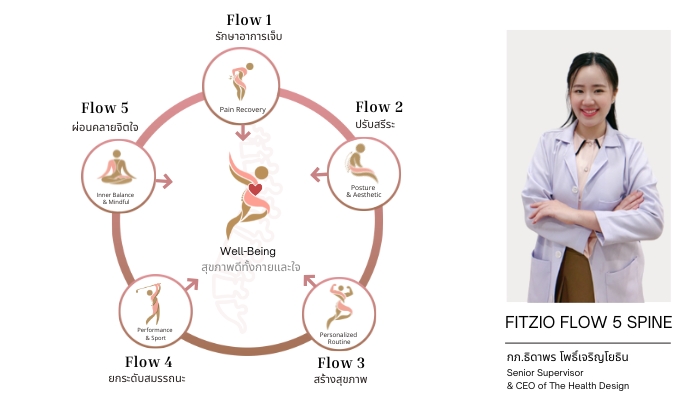
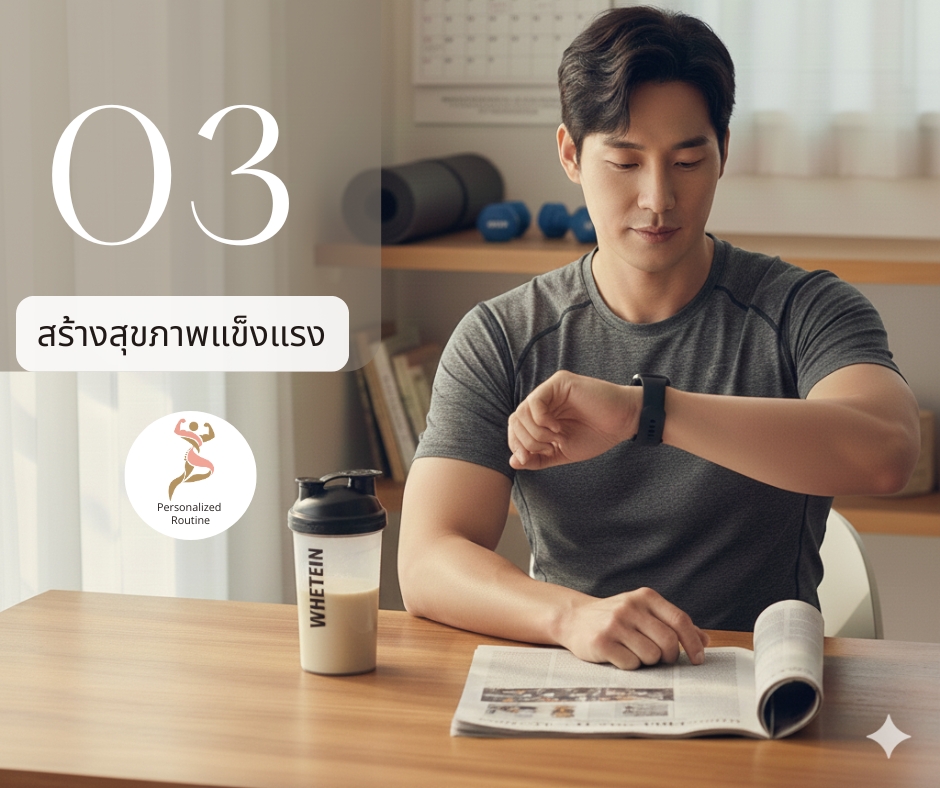
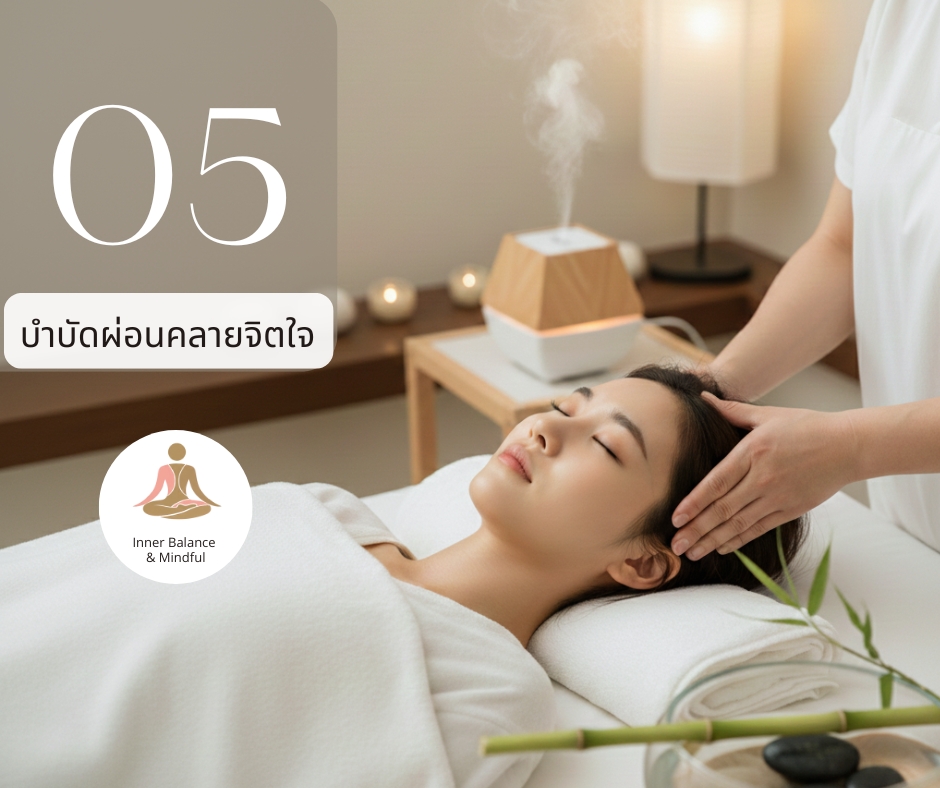
FITZIO FLOW 5 SPINE (FFS) represents the five core pillars of a holistic healthcare system. It begins with injury rehabilitation and postural realignment to restore balance, followed by the creation of personalized routines. The program then progresses to enhancing strength for sports performance and maximizing physical capacity, while also emphasizing internal balance and mindfulness. Together, these five pillars deliver complete, sustainable, and well-rounded health outcomes across every dimension of wellbeing.