Specialized Rehab Program

Our Service

Complex & Specialized Conditions ( Postural Imbalances)

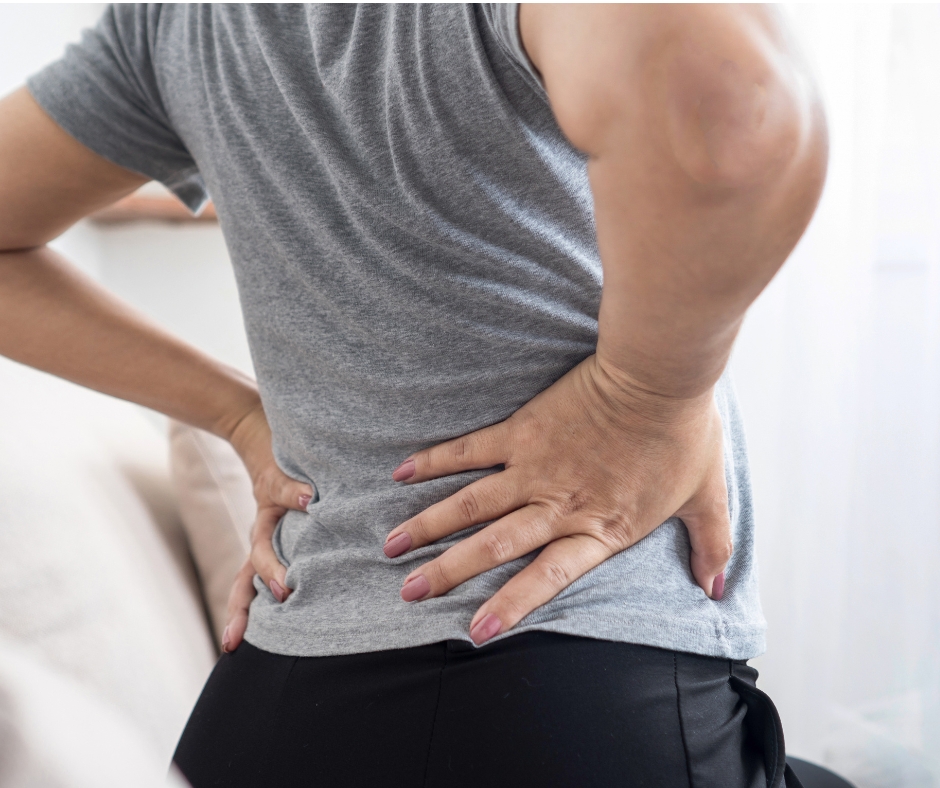
Sciatica

Causes:
Irritation or compression of the sciatic nerve.

Effects:
Lower back pain radiating to the buttocks and down the leg, accompanied by numbness, tightness, or electric shock–like sensations. Some may experience sharp, needle-like pain traveling down the leg, often related to disc herniation or tightness in the muscles surrounding the hips and lower back.

Care Program

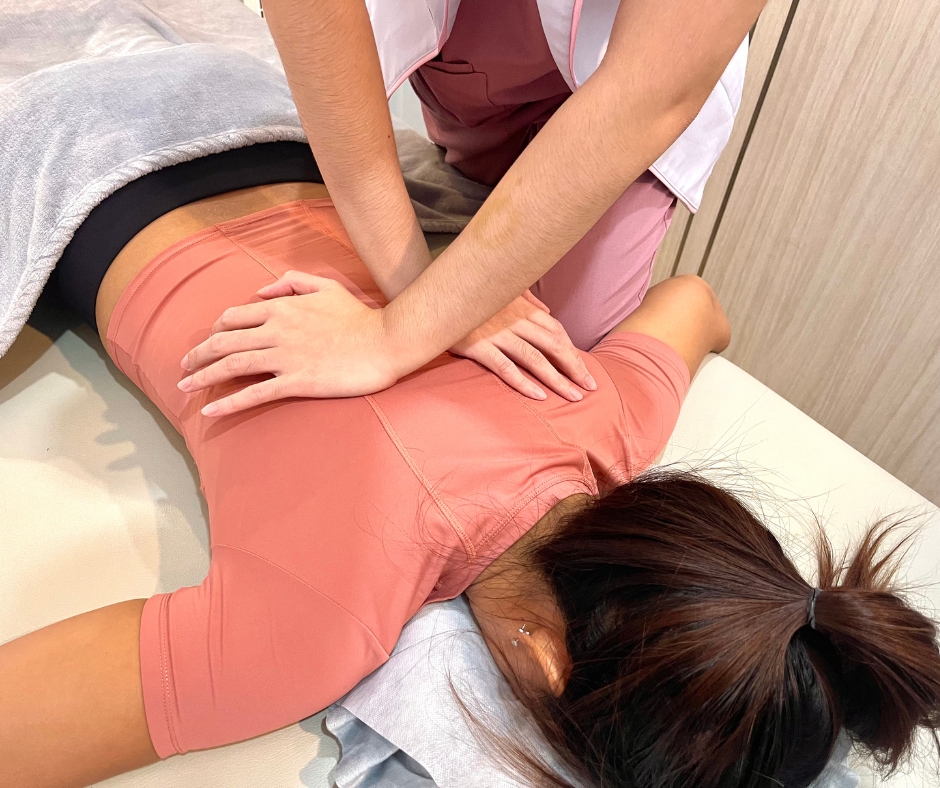
  • Manual therapy to reduce pressure and release tight tissues compressing the nerve

  • Neural stretching to improve nerve mobility and restore healthy nerve signal flow

  • Core strengthening exercises to support and stabilize the spine

  • Postural and movement correction during daily activities to help prevent recurrence

This holistic approach helps provide long-lasting pain relief, improve mobility, and support a confident return to everyday life.

Causes:
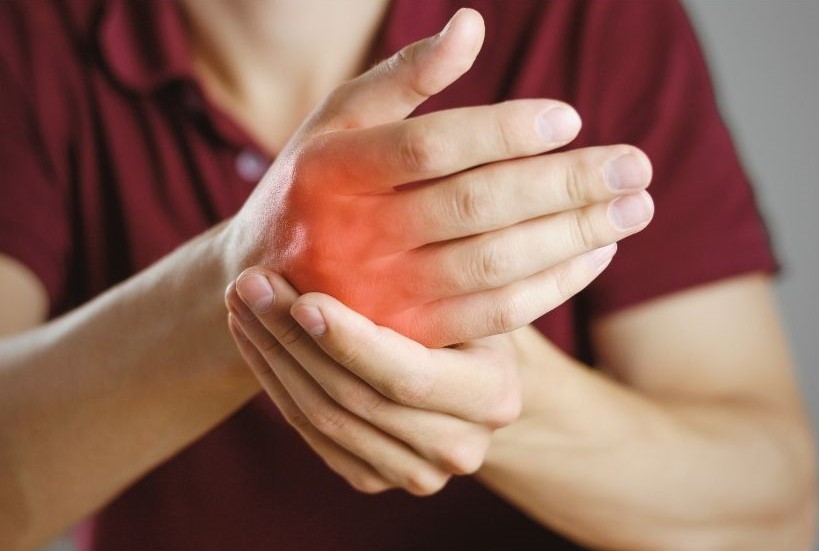
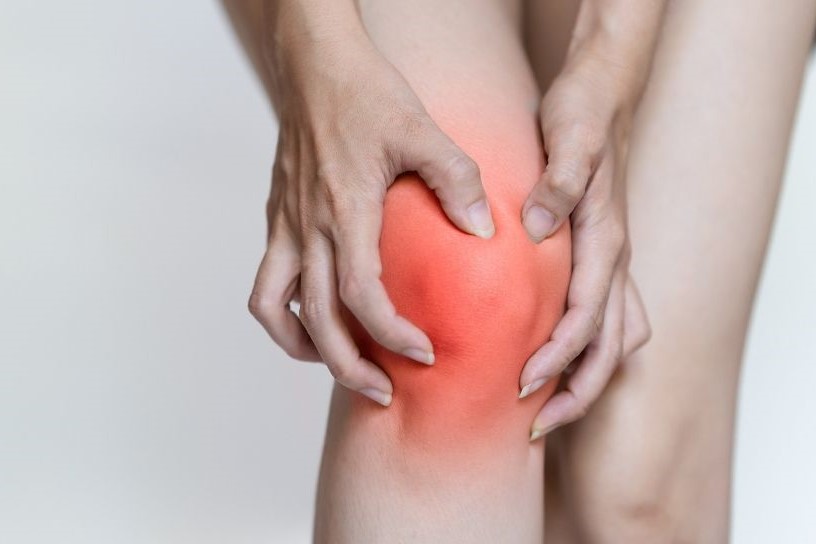
Degeneration of joint cartilage due to aging, heavy or repetitive joint use, excess body weight, immune-related inflammation, or conditions such as Rheumatoid Arthritis.

Effects:
Joint pain, swelling, and morning stiffness, leading to difficulty with movement. Commonly affected joints include the knees, hips, fingers, and shoulders.

Care Program

  • Pain relief and inflammation reduction

  • Improving joint flexibility through manual therapy

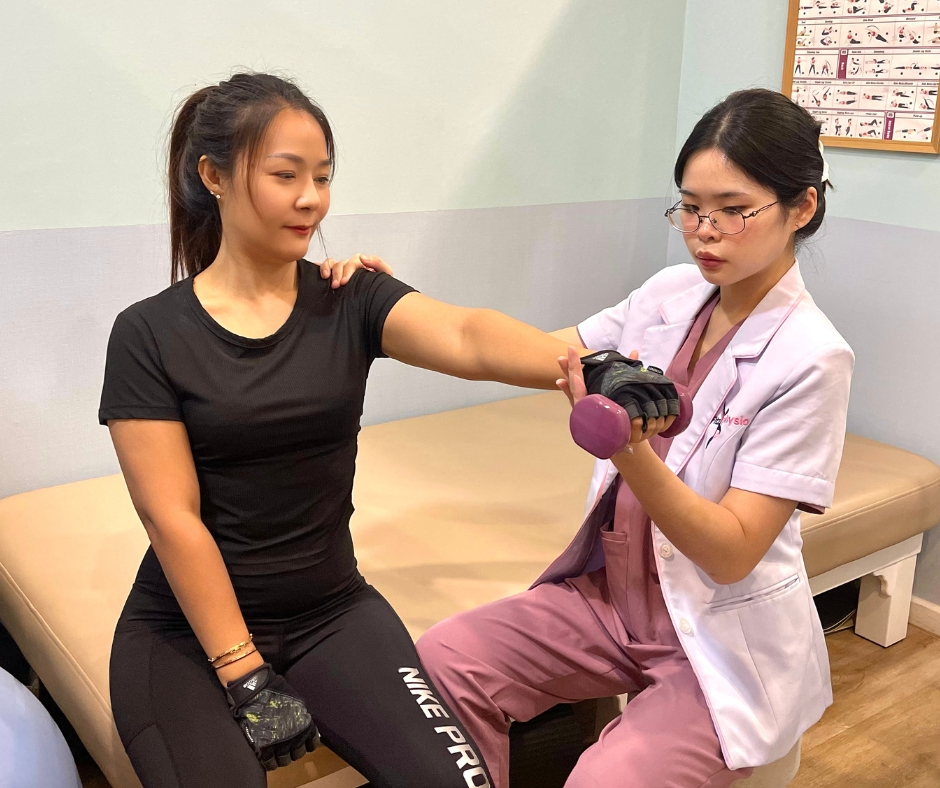
  • Strengthening the muscles surrounding the joints with gentle, targeted exercises

  • Lifestyle modification guidance to help protect the joints and slow further degeneration

With an individualized care plan, we help patients move more comfortably, reduce discomfort, and achieve a sustained improvement in overall quality of life.

Causes:
Repetitive use of joints or muscles, sudden forceful movements, or repeated poor movement patterns.

Effects:
Pain, swelling, and limited joint mobility. Symptoms may include localized pain, tenderness to touch, and increased pain with movement. Commonly affected areas include the shoulder, hip, knee, and elbow.

Care Program

  • Manual therapy to release tension and reduce inflammation

  • Therapeutic exercises to improve muscle strength and flexibility

  • Targeted stretching to restore joint mobility

We also place strong emphasis on identifying the true underlying causes, such as repetitive overuse or improper movement mechanics. Personalized guidance on activity modification and proper daily posture is provided to reduce the risk of recurrence and support long-term functional recovery.

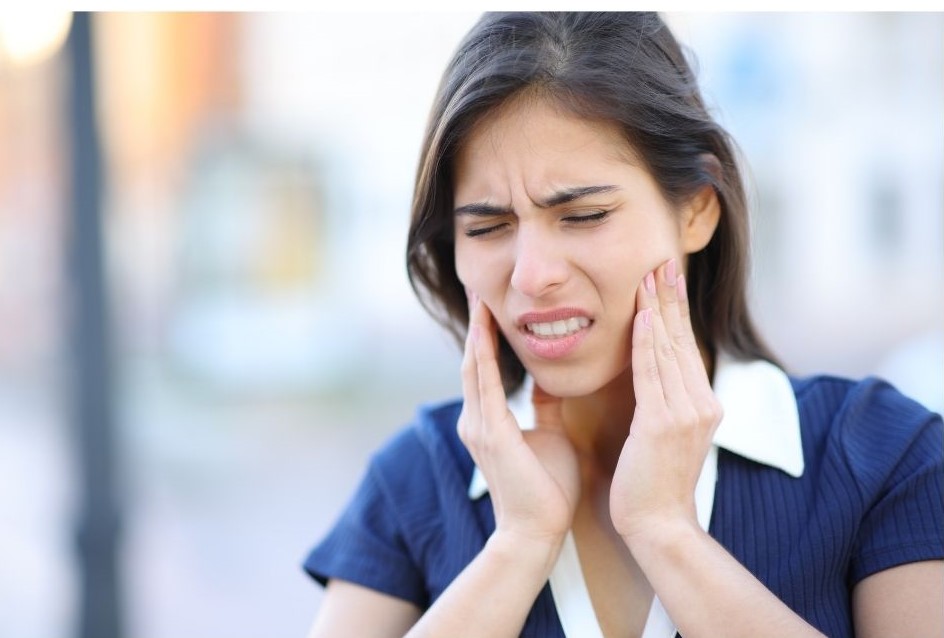
Causes:
Joint misalignment, stress, or teeth grinding during sleep, along with tightness in the neck and jaw muscles.

Effects:
Discomfort in the jaw, face, and neck, including cheek or jaw pain. Symptoms may also include clicking sounds when opening the mouth, as well as associated headaches or neck pain.

Care Program

  • Manual therapy to release muscle tension

  • Joint mobilization to improve jaw joint movement

  • Individualized therapeutic exercises to restore jaw mobility and strength

We also provide guidance on stress management and proper posture to reduce repeated strain on the jaw.

By addressing both physical and behavioral factors, this comprehensive approach helps relieve pain, restore jaw function, and promote smoother, more natural movement.

Causes:
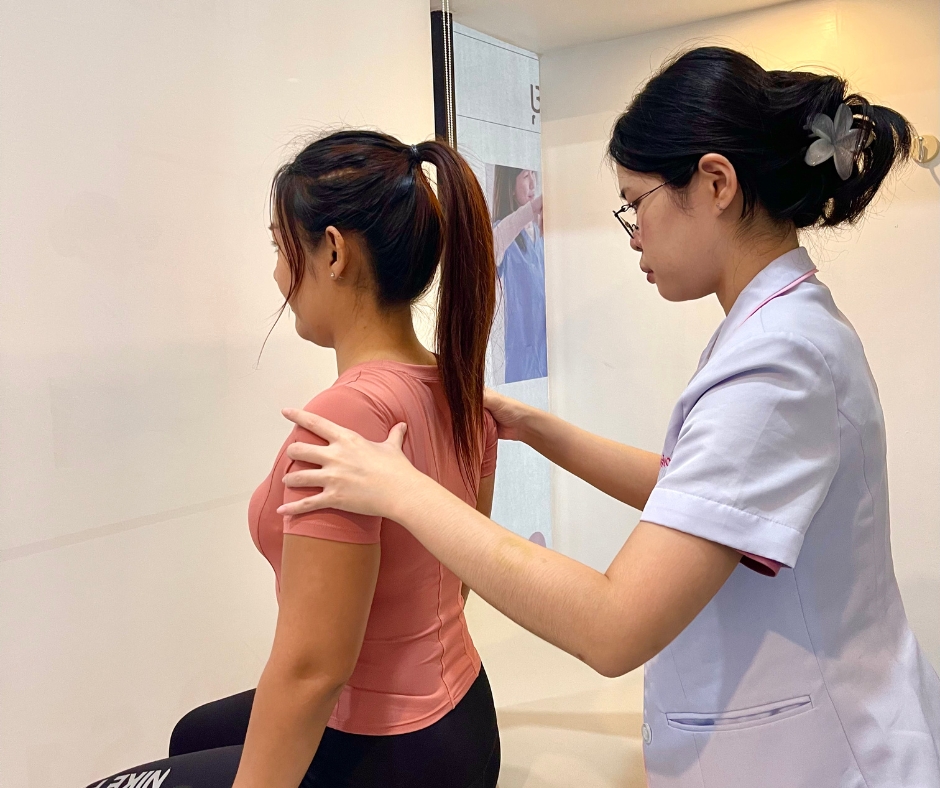
Prolonged sitting or standing with poor posture, leading to muscle imbalance—where certain muscles become overly tight while others weaken. Common examples include forward head posture, rounded shoulders, a hunched upper back, or pelvic misalignment.

Effects:
Neck, shoulder, and lower back pain; shoulder clicking or cracking; shallow breathing; and increased physical fatigue.

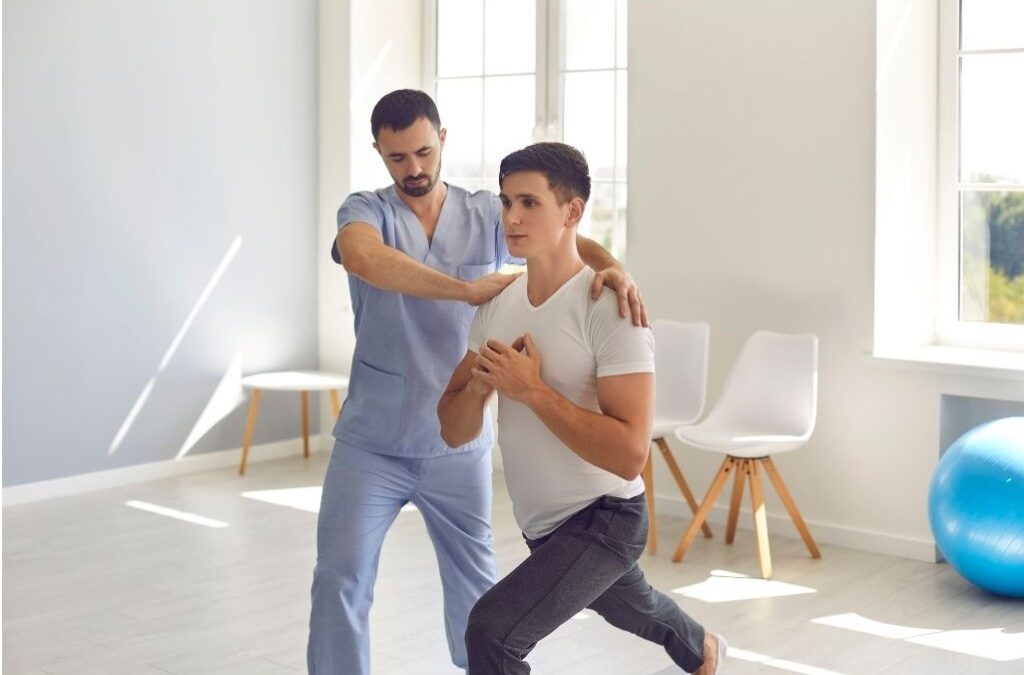
Care Program

  • Postural realignment through manual therapy

  • Targeted muscle strengthening

  • Precise stretching exercises to restore balance and flexibility

We also provide ergonomic workplace recommendations and train proper movement patterns to increase body awareness and promote healthier daily posture.

By addressing the true underlying causes, patients experience improved posture, reduced pain, and enhanced efficiency in daily movement and activities.

Causes:
May result from aging, previous injuries, or reduced function of the nervous system responsible for balance control. It can also occur after surgery or in individuals with a history of ankle or knee injuries.

Effects:
Increased risk of falls, weak core muscles, unsteady gait, and difficulty maintaining balance—especially during directional changes or when standing on one leg.

Care Program

  • Balance training to enhance stability

  • Strengthening exercises

  • Proprioception training to improve body position awareness

  • Functional movement activities to develop coordination and build confidence in movement

By addressing the root causes, we help individuals regain better movement control, improve mobility, reduce the risk of falls, and return to a more confident and active lifestyle.

Causes:
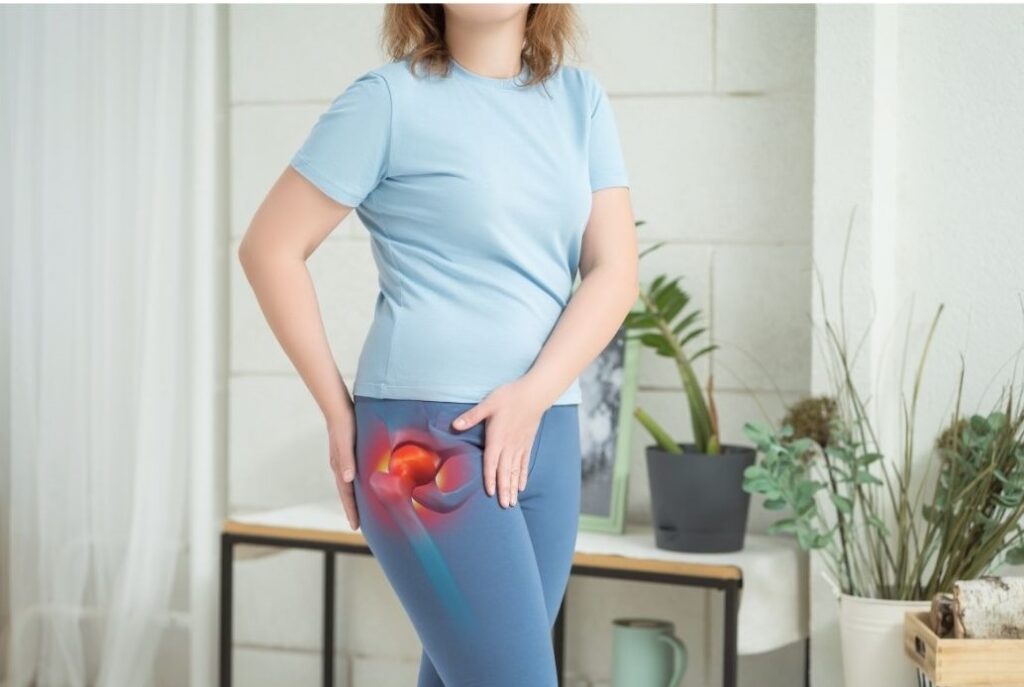
May be caused by joint degeneration, muscle imbalance, or injury. Contributing factors include tight or weak hip muscles, hip joint degeneration, pelvic misalignment, or improper weight-bearing.

Effects:
These conditions can significantly impact daily activities and overall quality of life. Common symptoms include deep hip pain, pain in the groin or lateral hip area, and discomfort when lifting the leg, sitting cross-legged, or taking wide steps.

Care Program

Our approach focuses on relieving pain through manual therapy while improving hip strength and flexibility with targeted exercises. We also assess and correct posture and movement patterns to appropriately reduce stress on the hip joint.

As movement improves and hip function becomes more balanced, individuals can move more comfortably and confidently, allowing them to return to daily life and activities with greater ease.

Cause:
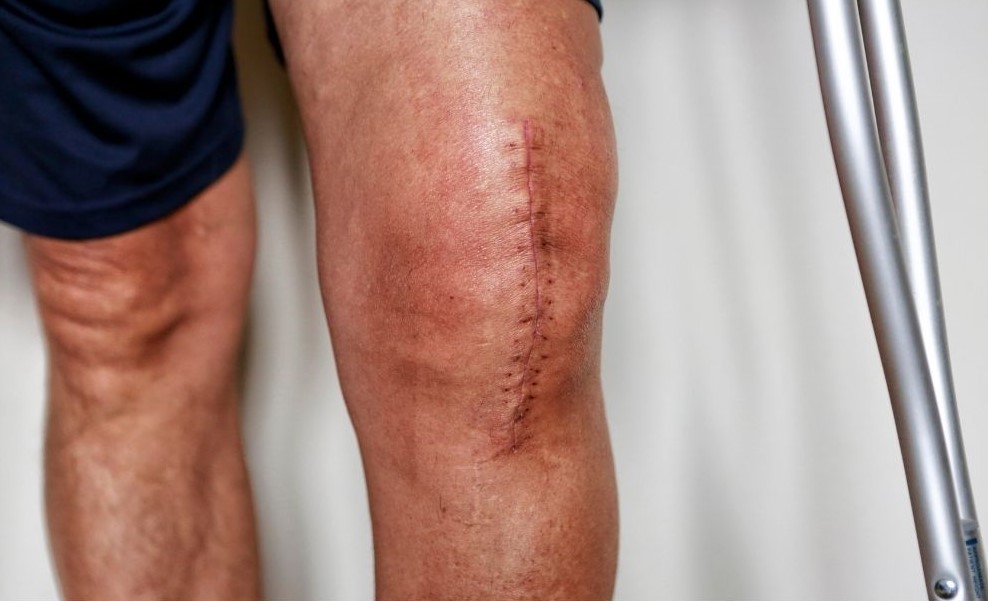
After surgery, patients often experience swelling, joint stiffness, muscle weakness, and reduced mobility, which require rehabilitation.

Effects:
Difficulty moving the joints, reduced muscle function, and slower performance of daily activities.

Care Program

Post-Surgery Rehabilitation is a vital process in restoring strength, mobility, and functional movement following surgery, whether involving the knee, hip, or shoulder.

The program integrates manual therapy, carefully controlled therapeutic exercises, and a gradual progression of training intensity to enhance mobility and relieve pain.

We focus on strengthening the surgical area, improving balance and coordination, and reducing the risk of complications, while customizing each rehabilitation plan to meet individual needs.

Our goal is to help patients safely and confidently return to their daily activities, support optimal long-term recovery, and promote sustainable physical and mental well-being.

Physical Therapy for Posture, Presence, and Confidence

Who This Program Is For

Designed for individuals who rely on their physical presence to project confidence and a positive image—including models, actors, executives, and anyone who values posture, body awareness, and refined movement.

Common Challenges

Many people focus on posture training, body language, or performance techniques to improve their appearance. However, if underlying structural imbalances, joint restrictions, or muscular tightness remain unaddressed, movement often requires compensation. This limits results and may lead to accumulated tension, discomfort, or injury over time.

Care Program

Our approach begins from the inside out—by restoring balance to the body’s structure, joints, and muscles. This allows the body to move, stretch, and express posture and personality naturally and efficiently.

Through targeted physical therapy, we help the body regain proper alignment and functional movement, creating a strong foundation for confident posture and expressive presence.

When the Body Is in Balance

• Posture training and expressive movement become more effective
• Body language appears more graceful, confident, and natural
• Reduced risk of injury and chronic muscular tension
• Improved long-term physical and mental well-being
Basic Rehab > 

For general pain caused by overuse, such as: Office syndrome, Knee Pain

Fit Sport Performance >

For active individuals looking to enhance performance or recover from sports-related injuries

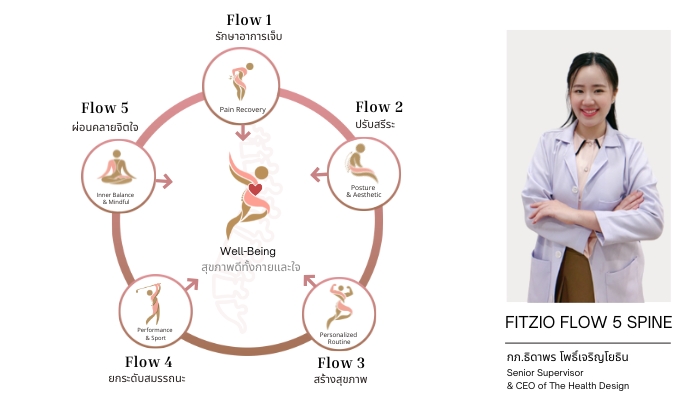
FITZIO FLOW 5 SPINE

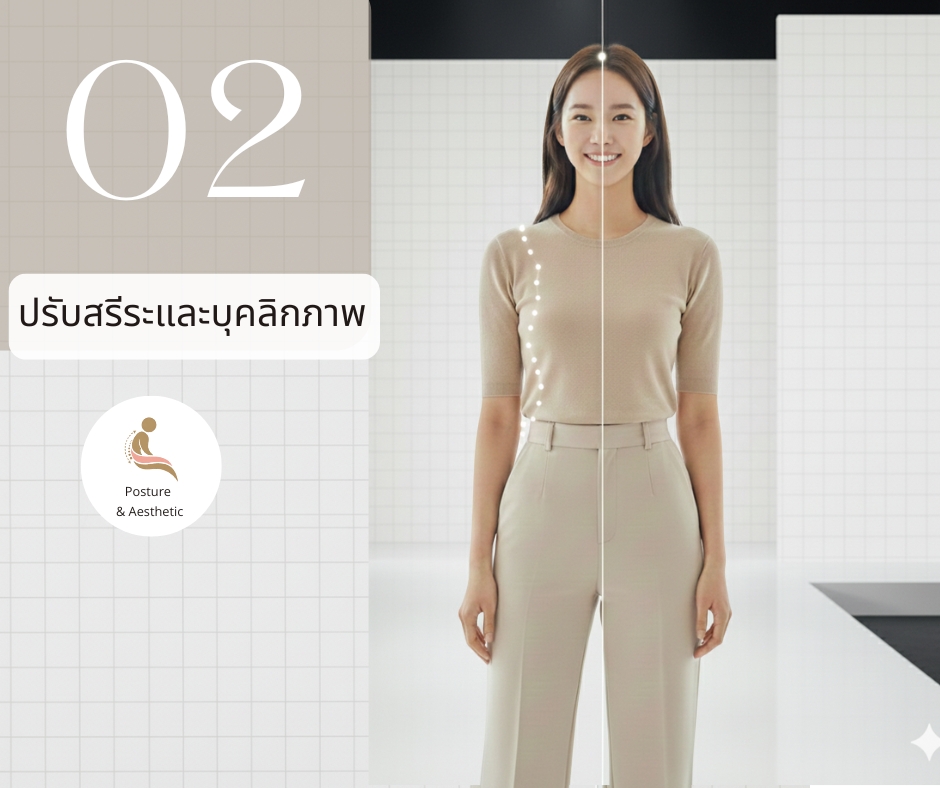
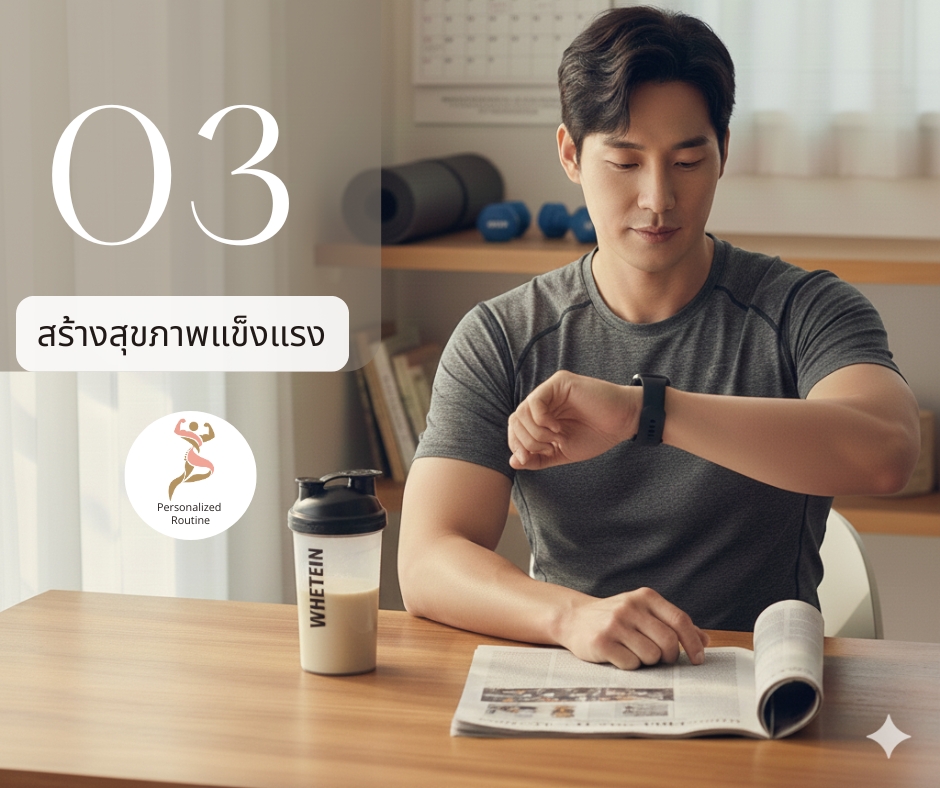
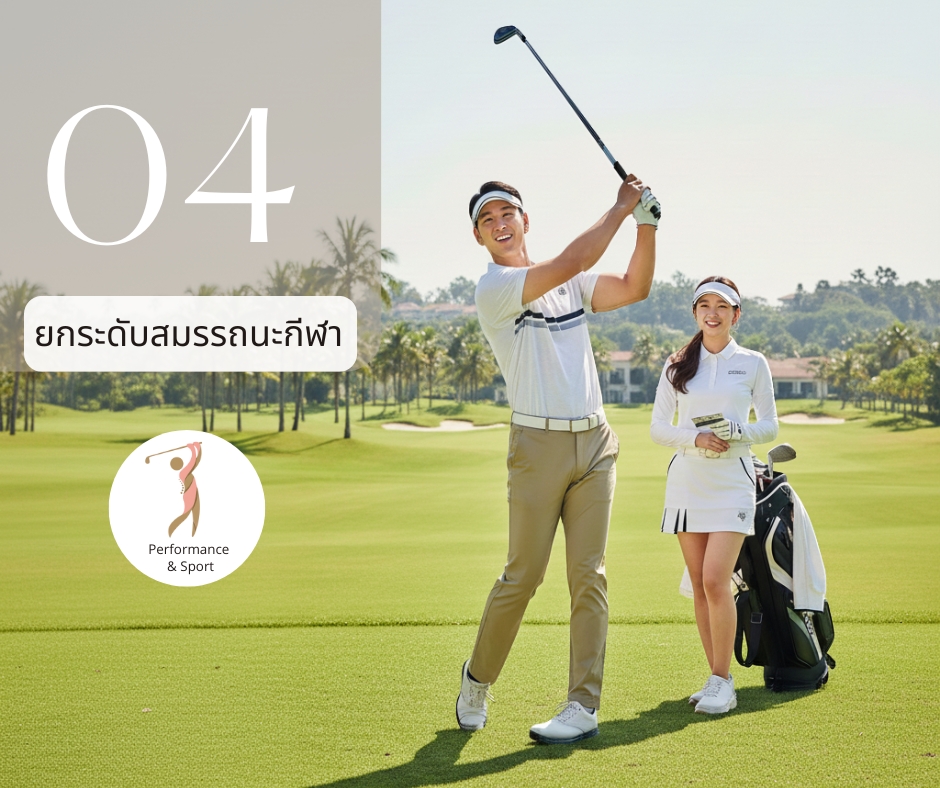
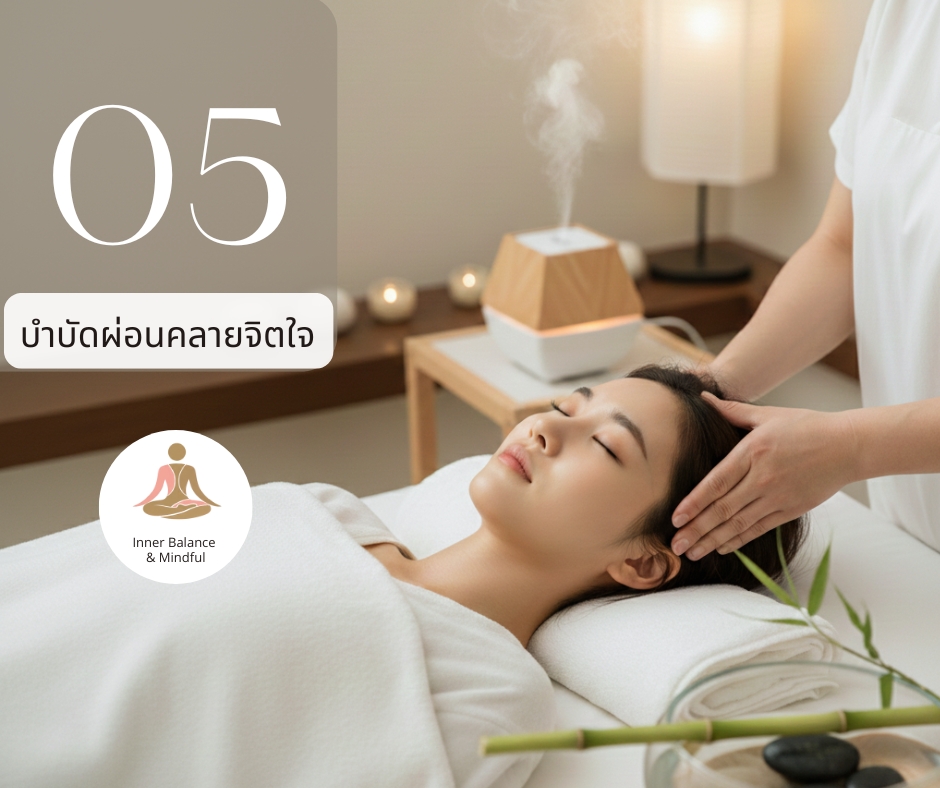
FITZIO FLOW 5 SPINE (FFS) represents the five core pillars of a holistic healthcare system. It begins with injury rehabilitation and postural realignment to restore balance, followed by the creation of personalized routines. The program then progresses to enhancing strength for sports performance and maximizing physical capacity, while also emphasizing internal balance and mindfulness.
Together, these five pillars deliver complete, sustainable, and well-rounded health outcomes across every dimension of wellbeing.

Read More >

Personalized Care at Fitzio Clinic

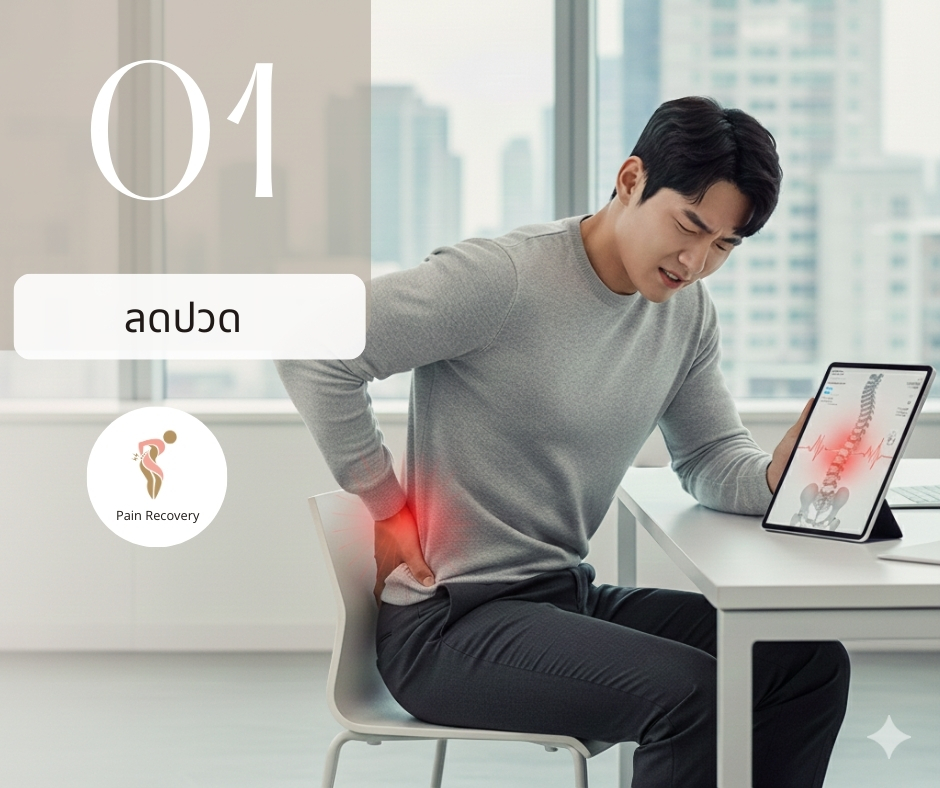
Flow 1 Pain Recovery

Read More >

Flow 2 Posture & Aesthetic

Read More >

Flow 3 Personalized Routine

Read More >

Flow 4 Performance & Sport

Read More >

Flow 5 Inner Balance & Mindful

Read More >