Suitable for:
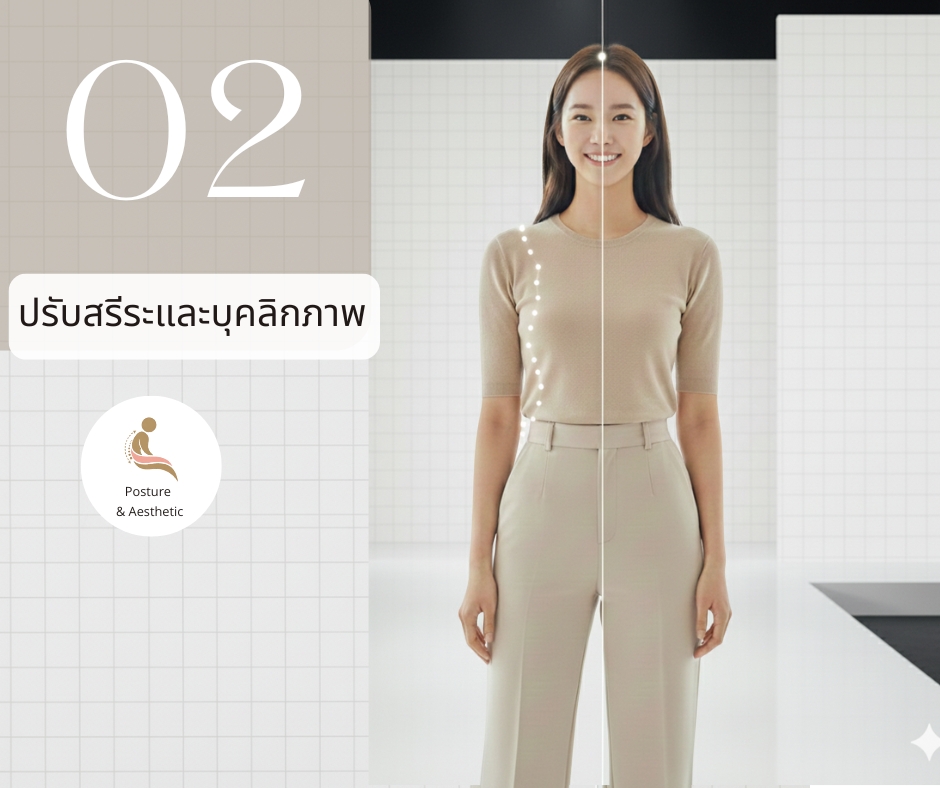
• Individuals with postural imbalance, such as body misalignment or uneven shoulders
• Those who want to improve their posture and develop a confident, balanced, and graceful appearance
Treatment Approach
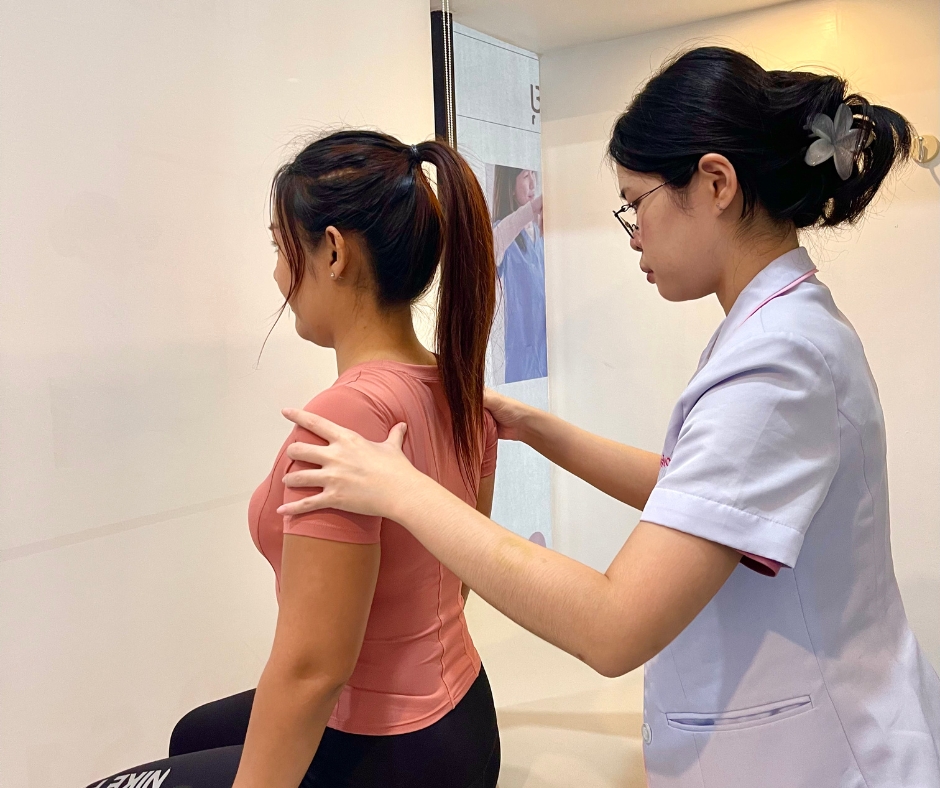
1. Manual Correction
• Manual stretching of specific muscle groups
• Joint positioning using specialized techniques
• Correction of joint alignment according to each posture and movement
• Learning new movement patterns through manual guidance or in combination with physical therapy equipment
2. Corrective Exercise (Program for Correcting Muscle Imbalance)
An individualized exercise program provided by a physical therapist to address muscle imbalances, including weakness, tightness, or poor coordination.
• Helps improve balance of muscles and joints
• Corrects repetitive incorrect movement patterns
• Reduces stress and load on joints and the spine
• Helps restore proper and natural body alignment
3. Posture Cue Card / Consult (Postural Consultation)
A physical therapist assesses posture during standing, sitting, walking, and daily activities, and provides clear guidance through Posture Cue Cards to support proper posture in each activity.
• Helps you understand your body structure and areas requiring attention
• Improves posture in work and daily life
• Reduces the risk of pain caused by repeated poor posture
• Promotes long-term body awareness and self-care
4. Self-Postural Exercise Program
A personalized exercise program designed by a physical therapist to improve postural alignment in detail. The program can be practiced independently at home to support balanced and graceful body structure.
“When Good Posture Transforms Both Body and Inner Confidence. Postural and alignment correction is not only about creating physical balance. These changes have a direct impact on your mental and emotional well-being, helping you feel more confident in everyday life—whether at work, in social situations, or while using your body to its full potential each day.”
Flow 1 Pain Recovery
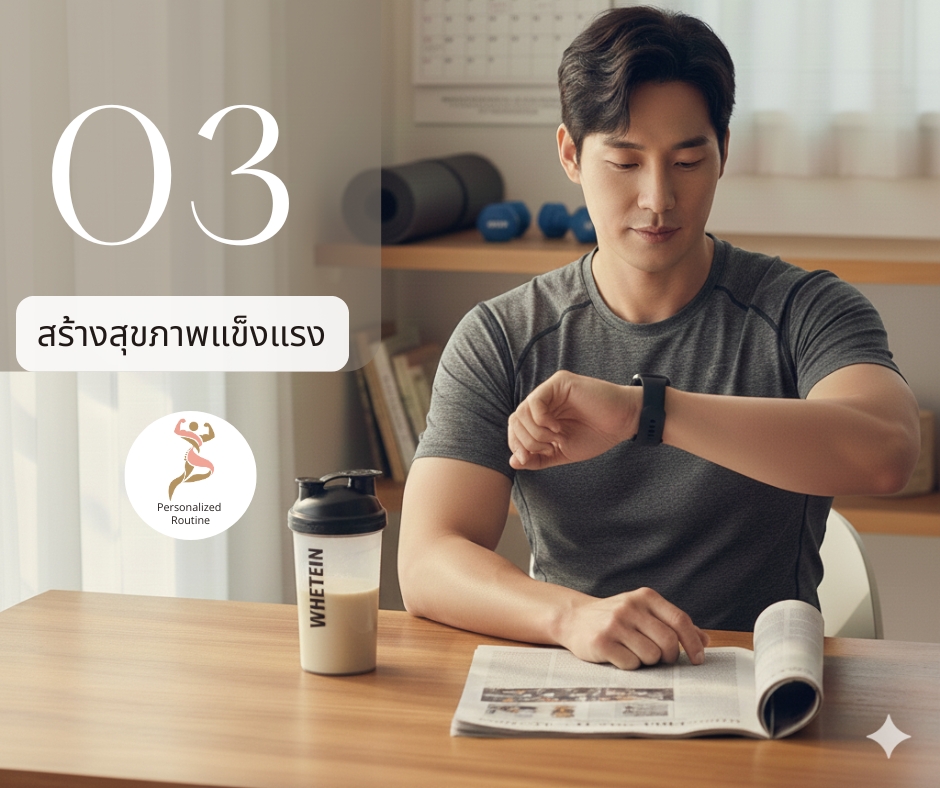
Flow 3 Personalized Routine
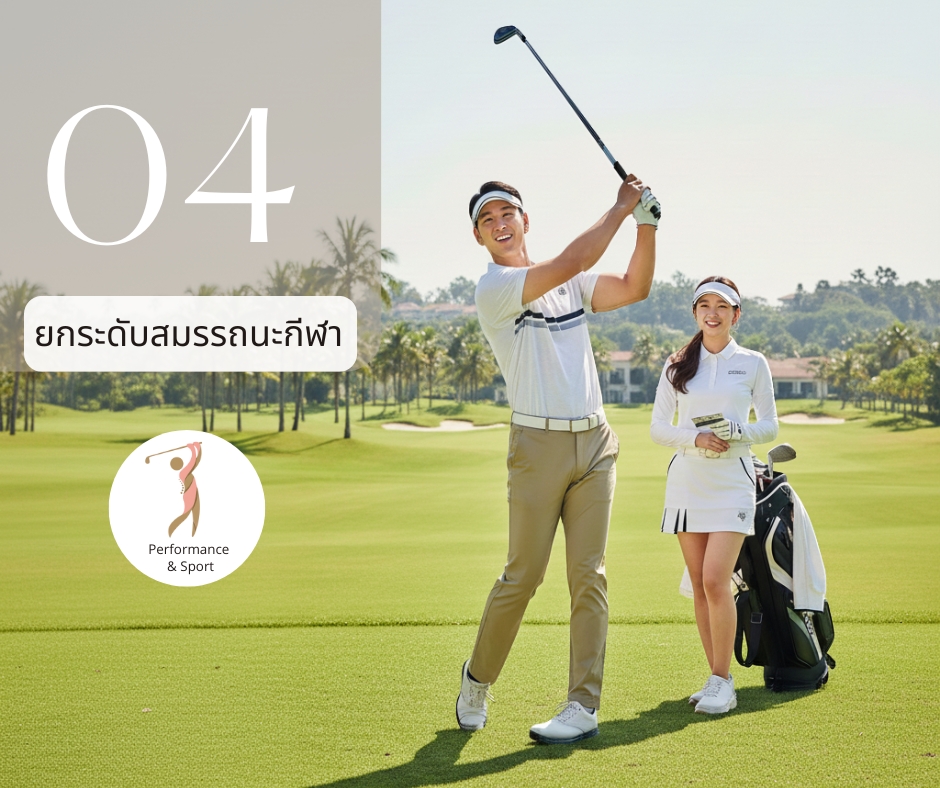
Flow 4 Performance & Sport
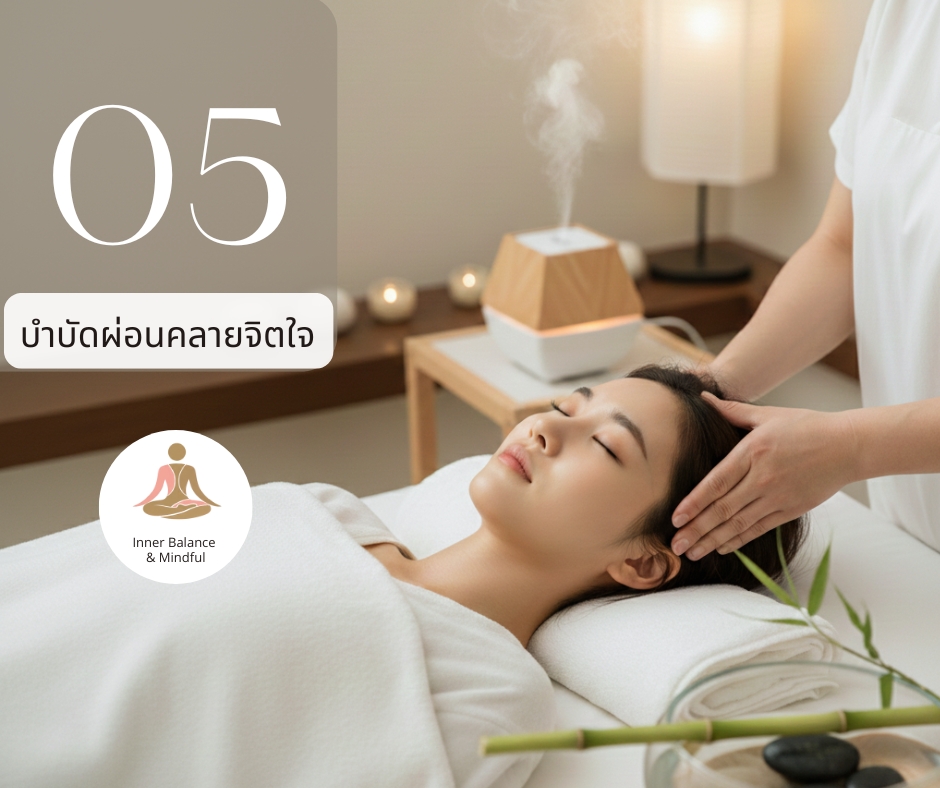
Flow 5 Inner Balance & Mindful
References:
McHugh MP, Cosgrave CH. To stretch or not to stretch: the role of stretching in injury prevention and performance. Scand J Med Sci Sports. 2010 Apr;20(2):169-81.
Fathollahnejad, K., Letafatkar, A. & Hadadnezhad, M. The effect of manual therapy and stabilizing exercises on forward head and rounded shoulder postures: a six-week intervention with a one-month follow-up study. BMC Musculoskelet Disord20, 86 (2019).
da Costa, B. . R.; Vieira, E. R. Stretching to Reduce Work-Related Musculoskeletal Disorders: A Systematic Review. JRM2008, 40, 321-328.
Choi BK, Verbeek JH, Tam WW, Jiang JY. Exercises for prevention of recurrences of low-back pain. Cochrane Database Syst Rev. 2010