
“Stress leads to pain, and pain leads to stress.”
“How do you get out of this pain cycle?”
Stress in Modern Life: The Starting Point of the Chronic Pain Cycle
In today’s fast-paced world, stress has become an unavoidable part of daily life—whether it comes from:
- Work-related pressure
- A constantly rushed lifestyle
- Or routines that cannot be avoided
When these stressors accumulate over time, they can silently develop into chronic stress.
How Does the Body Respond to Stress?
When the body is exposed to stress,
the central nervous system interprets it as a “crisis.”
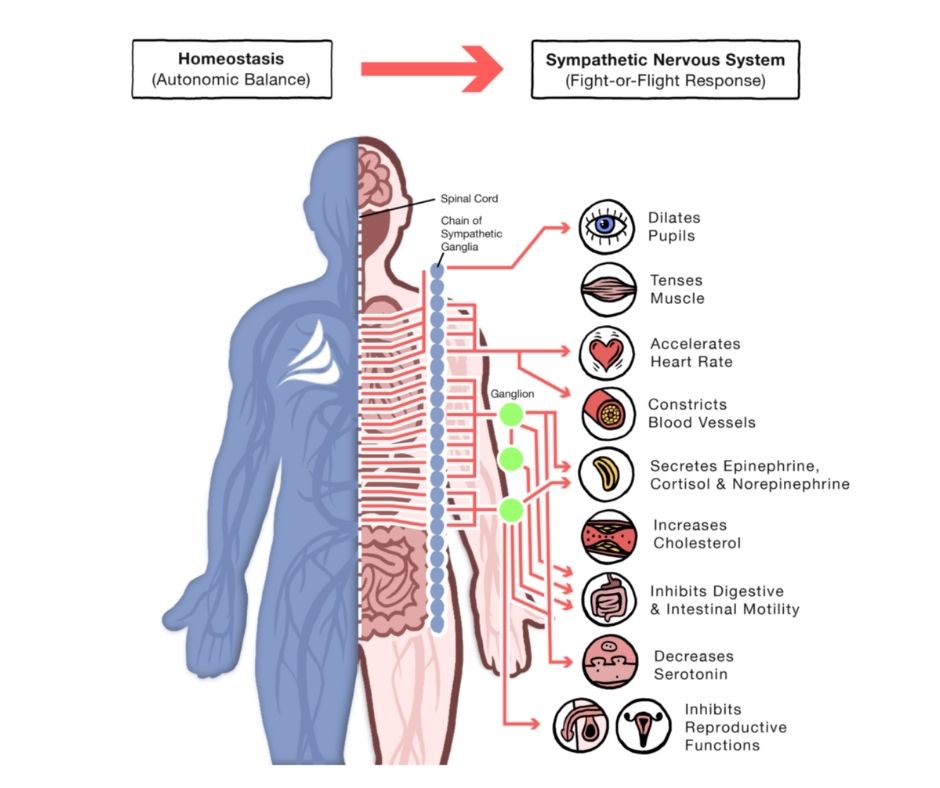
As a result, the sympathetic nervous system (SNS)—also known as the “fight or flight” mode—is immediately activated.
When the “Fight or Flight” System Becomes Overactive
If this system remains activated for a prolonged period (overactive),
it can lead to several physical effects:
- Muscles remain constantly contracted
- Small blood vessels become compressed
- Blood circulation decreases
- Oxygen supply to tissues becomes insufficient
In addition, this condition leads to the buildup of:
- Inflammatory substances
- Metabolic waste products
The Origin of Trigger Points
These processes eventually result in the formation of trigger points—
localized areas of muscle tightness and tenderness.
Trigger points are a major cause of:
- Muscle stiffness
- Deep, persistent pain
- Chronic pain
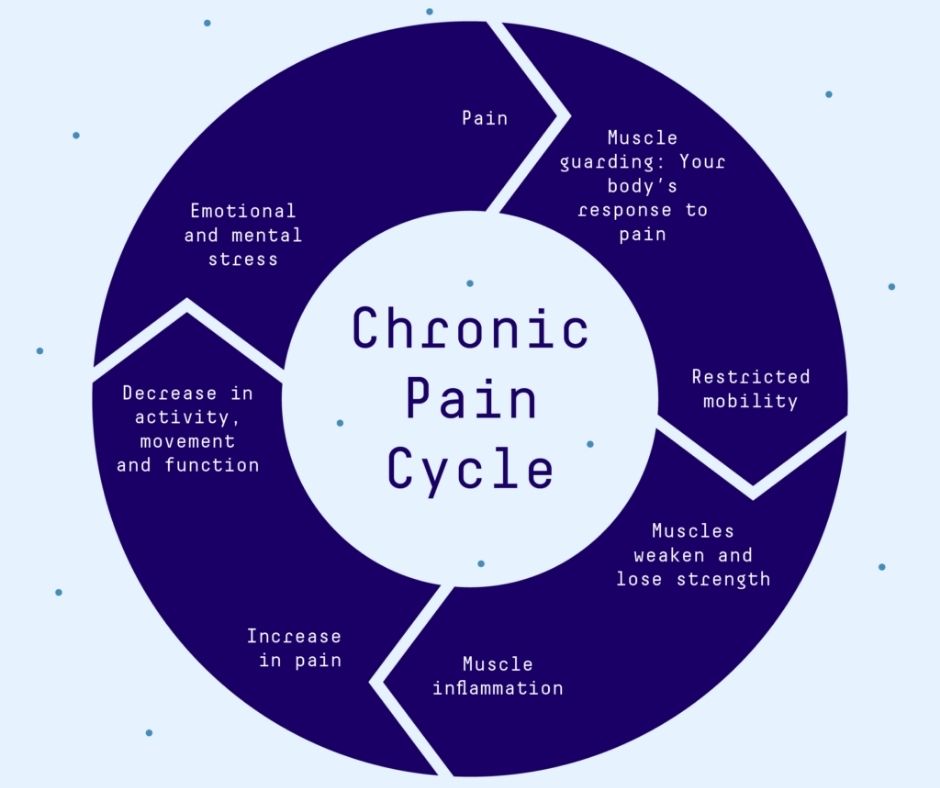
The Chronic Pain Cycle
What many people don’t realize is:
👉 Stress → causes muscle pain
👉 Muscle pain → increases stress
This creates a chronic pain cycle, where stress and pain continuously reinforce each other.
As a result, many people experience:
- Recurring muscle aches
- Persistent pain that doesn’t fully resolve
- Ongoing physical discomfort
Summary
Stress does not only affect the mind—
it directly impacts the nervous system and muscular system as well.
If left unmanaged,
it can lead to a repeating cycle of chronic pain that feels never-ending.
ขอบคุณรูปภาพจาก: https://www.potstreatmentcenter.com
และ https://mamedica.co.uk
How to Break the Chronic Pain Cycle
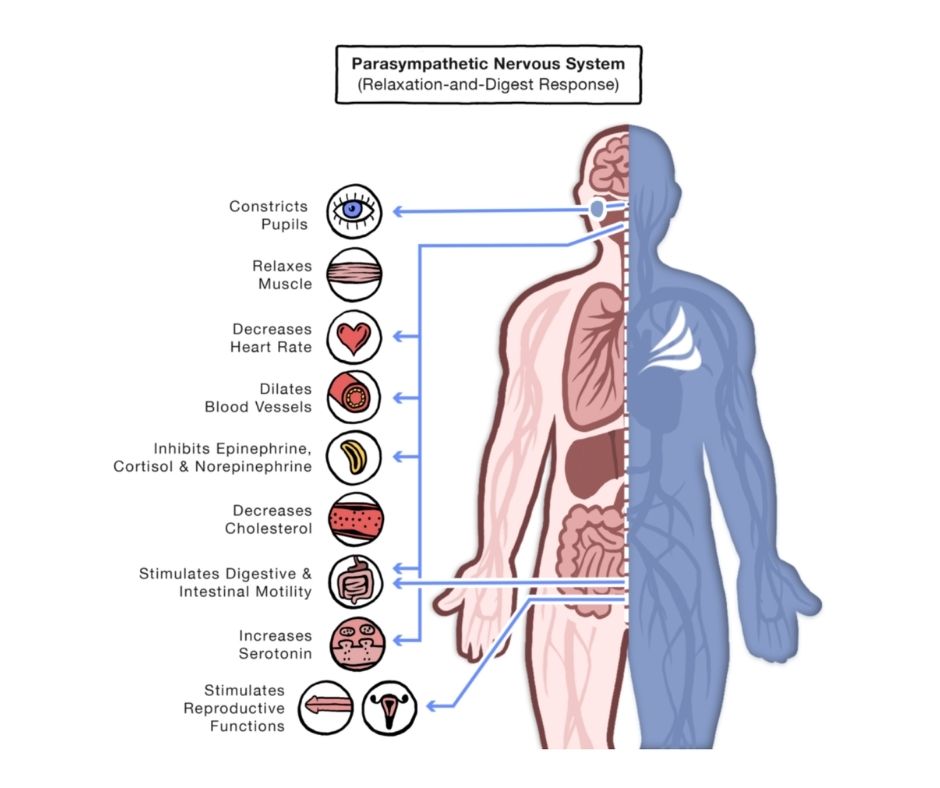
To break the chronic pain cycle, it is essential to promote the activity of the parasympathetic nervous system (PNS)—also known as the “rest and digest” mode.
This system acts as the opposite of the “fight or flight” response. When the parasympathetic system becomes more active, the body begins to relax.
What Happens When the Body Enters “Rest and Digest” Mode?
As parasympathetic activity increases:
- Heart rate slows down
- Blood vessels dilate
- Blood flow improves
This allows more blood to reach muscles that have been chronically contracted, leading to:
- Enhanced tissue repair
- Removal of inflammatory substances
- Clearance of metabolic waste accumulated in the muscles
As a result, muscles begin to relax and pain is reduced.
Resetting the Autonomic Nervous System
To restore balance in the autonomic nervous system,
it is necessary to stimulate and enhance parasympathetic activity.
One of the simplest and most effective ways to do this is through stimulation of the vagus nerve.
Simple Ways to Stimulate the Vagus Nerve
The vagus nerve can be activated through:
- Deep, slow breathing
- Gentle, rhythmic movements
- Activities that combine movement with controlled breathing
Examples of such activities include:
- Yoga
- Tai Chi
- Pilates
These practices help shift the body out of stress mode and into a state of recovery, allowing the body to heal and break free from the chronic pain cycle.

Meditation

Yoga
In physical therapy, there are many techniques that can help “reset” the balance of the nervous system, such as Manual Therapy, including gentle muscle knot or trigger point release, teaching diaphragmatic breathing techniques, and instructing exercises to increase muscle flexibility and joint range of motion (Flexibility and Mobility Exercise).
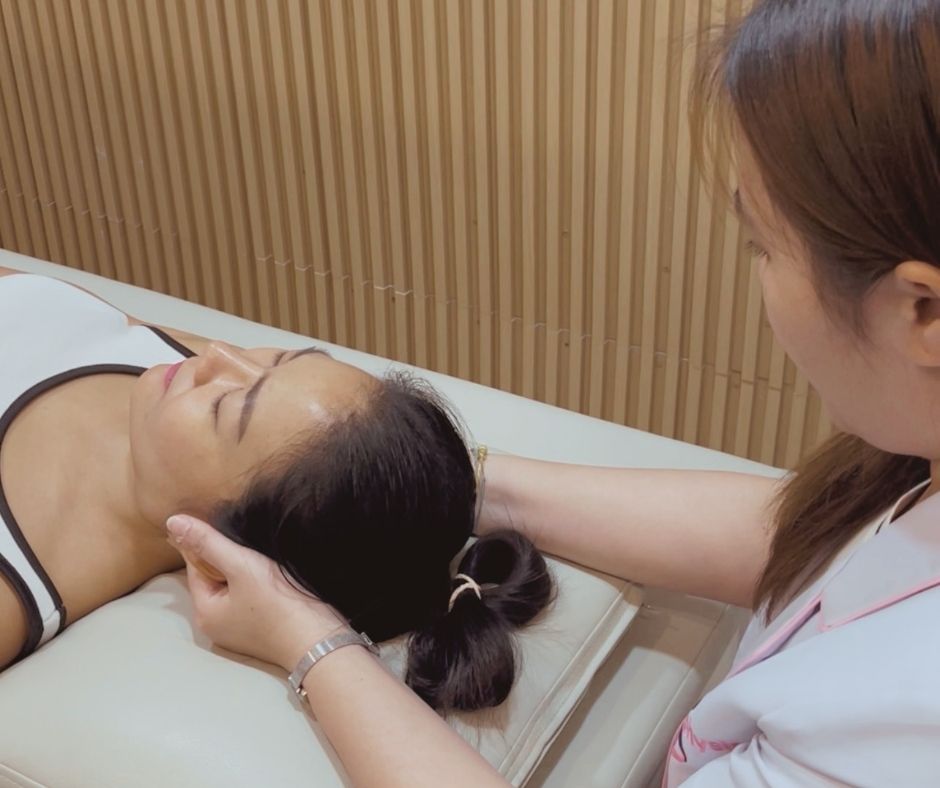
At Fitzo Clinic, we offer a care program for those who want to reset nervous system balance through our Flow 5: Inner-Balance and Mindful program. This program includes Manual Therapy techniques such as Craniosacral, a gentle form of manual therapy that helps improve the flow of cerebrospinal fluid and prevent blockages. Blockages in cerebrospinal fluid can be one of the causes of dull headaches. The program also includes gentle trigger point release.
Manual therapy techniques can enhance the parasympathetic system through touch, combined with teaching diaphragmatic breathing exercises. During these two techniques, aromatherapy is also used. Aromatherapy works directly with the brain through the limbic system, which is responsible for processing experiences, allowing the body to associate scents with relaxation.
Craniosacral

Diaphargmatic Breathing Exercise
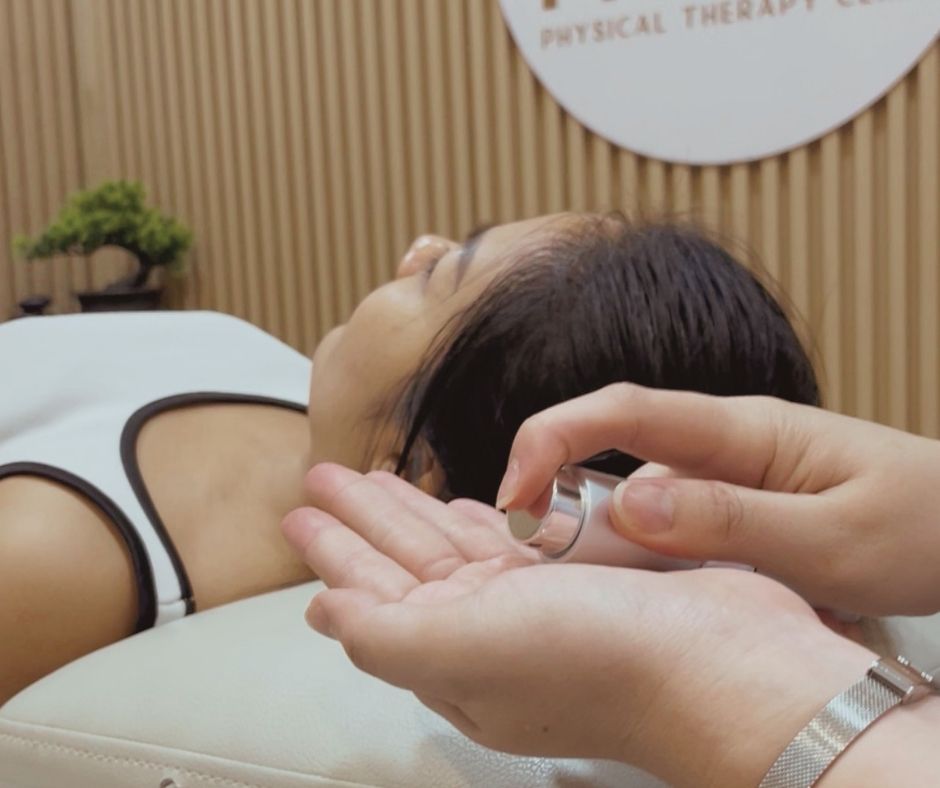
Aromatheraphy
Other Articles

Tried Many Treatments But Still Not Getting Better?

Looking Down at Your Phone All Day? Neck, Shoulder, and Upper Back Pain Could Lead to a Hunched Posture!

Strong Muscles… But Are Your Bones at Risk of Misalignment?

How to Fix Rounded Shoulders and a Hunched Back (Upper Crossed Syndrome)
Body and Mind: An Inseparable Connection

Physical therapy is much closer to everyday life than you might think.